
Many homeowners are surprised to learn that high energy bills aren’t always the result of obvious sources like heating and cooling systems. Often, hidden energy wasters quietly drain your household resources, increase your bills, and contribute to unnecessary environmental impact. Identifying and addressing these hidden energy guzzlers is a key step toward a more efficient, cost-effective, and environmentally friendly home. In this article, we’ll explore six common energy wasters you may not even know exist and provide practical tips to reduce their impact.
1. Phantom Power from Electronics
One of the most common and overlooked energy wasters in homes is “phantom” or “vampire” power. Many electronic devices, such as televisions, computers, gaming consoles, and chargers, continue to draw electricity even when turned off. While the energy consumed by a single device may seem minimal, collectively, phantom power can account for up to 10% of your annual electricity bill. To reduce this waste, unplug devices when not in use or use power strips with an on/off switch to disconnect multiple devices simultaneously. Smart plugs that monitor energy usage can also help identify the biggest culprits in addition to a home energy audit.
2. Inefficient Heating and Cooling Systems
Heating and cooling systems are essential for comfort, but if your HVAC system is outdated, poorly maintained, or improperly sized, it can consume excessive energy. Leaky ductwork, dirty filters, and thermostat settings that are inconsistent with your lifestyle contribute to inefficiency. Even modern systems can waste energy if rooms are over- or under-heated due to poor zoning. Scheduling regular maintenance, sealing ducts, installing programmable or smart thermostats, and upgrading to high-efficiency units can significantly reduce energy consumption and improve comfort throughout your home.
3. Poor Insulation and Air Leaks
Many homes lose significant energy through poor insulation and air leaks. Drafts around windows, doors, and attic hatches allow warm or cool air to escape, forcing your HVAC system to work harder. Similarly, insufficient insulation in walls, attics, and crawl spaces can make it difficult to maintain consistent indoor temperatures. Simple measures, such as adding weather stripping, caulking gaps, insulating attics, and sealing vents, can dramatically reduce energy waste and improve overall home efficiency.
4. Water Heating Inefficiencies
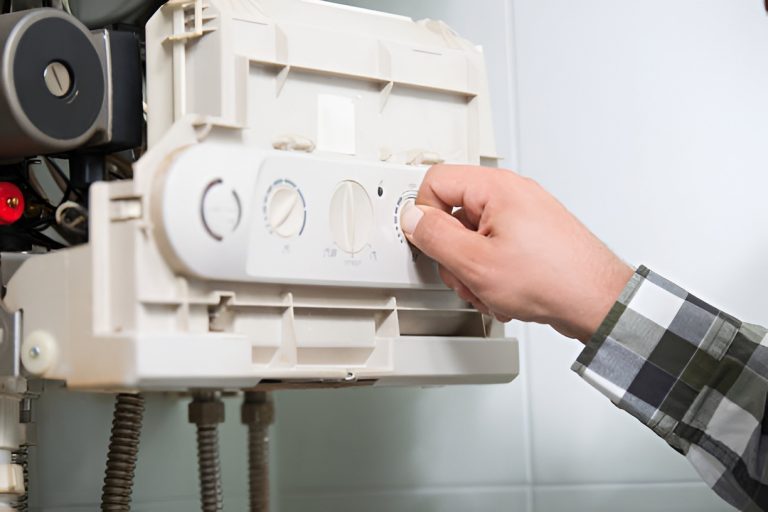
Water heating is one of the largest energy expenses in many homes. Inefficiencies in water heaters, including outdated units, incorrect temperature settings, or long pipe runs without insulation, can waste substantial energy. Heating water unnecessarily or losing heat along the way drives up utility bills. Upgrading to an energy-efficient water heater, insulating hot water pipes, lowering the thermostat to 120°F, and using low-flow fixtures are practical steps to reduce energy waste while still enjoying hot water comfortably.
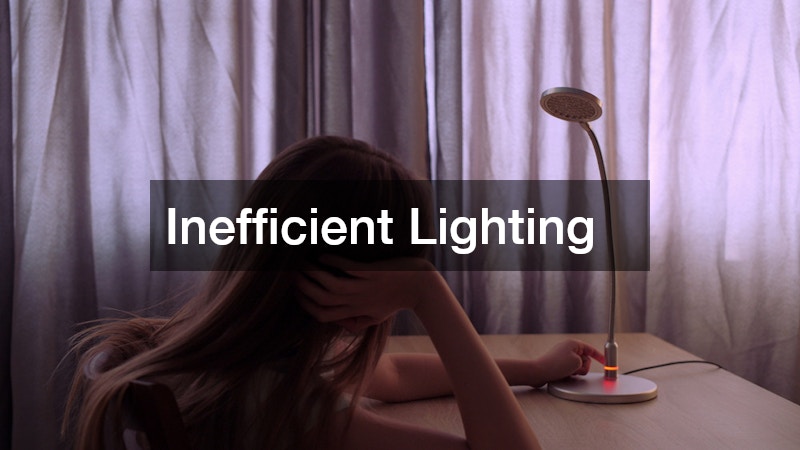
5. Inefficient Lighting
While many households have transitioned to LED or energy-saving bulbs, inefficient lighting still lurks in older homes. Incandescent and halogen bulbs use significantly more energy than LEDs, and leaving lights on in unoccupied rooms compounds the problem. Consider conducting a lighting audit to identify areas with inefficient bulbs and replace them with LEDs or compact fluorescents. Additionally, installing motion sensors or timers in frequently unused spaces such as garages, closets, and hallways ensures lights are only on when needed, further cutting energy costs.
6. Appliances That Are Outdated or Misused
Older appliances, such as refrigerators, washers, dryers, and ovens, are often major energy wasters due to outdated technology and wear. Even modern appliances can become inefficient if used incorrectly, like overloading washers or dryers, leaving fridge doors open for long periods, or running dishwashers with half loads. Replacing outdated appliances with ENERGY STAR-rated models and adopting energy-conscious habits can result in substantial savings. Regular maintenance, such as cleaning dryer vents and defrosting freezers, also ensures appliances operate efficiently.
Hidden energy wasters can quietly drive up utility bills and increase your home’s environmental footprint. By identifying and addressing phantom power, HVAC inefficiencies, poor insulation, water heating waste, outdated lighting, and inefficient appliances, homeowners can make meaningful improvements to energy efficiency. Regular maintenance, technology upgrades, and simple behavioral changes all play a role in reducing energy consumption. Understanding these hidden energy drains and taking proactive steps with the help of a professional home energy audit to mitigate them not only saves money but also contributes to a more sustainable and comfortable living space.
About the Author