Maintaining a home goes beyond keeping it visually appealing—it’s essential for safety, efficiency, and protecting your investment. From minor wear and tear to aging systems that could fail unexpectedly, the tasks associated with home upkeep can feel overwhelming. Without a clear plan, important maintenance items can get overlooked, leading to costly repairs and even potential hazards.
Prioritizing home maintenance tasks ensures that critical issues are addressed first, while less urgent improvements are scheduled strategically. A smart approach allows homeowners to allocate time and budget effectively, reduce stress, and keep both interior and exterior systems in optimal condition. This guide provides actionable strategies for assessing your home, scheduling repairs, and working with professionals to maintain a safe, functional, and efficient living space.
Start with a Home Safety Audit
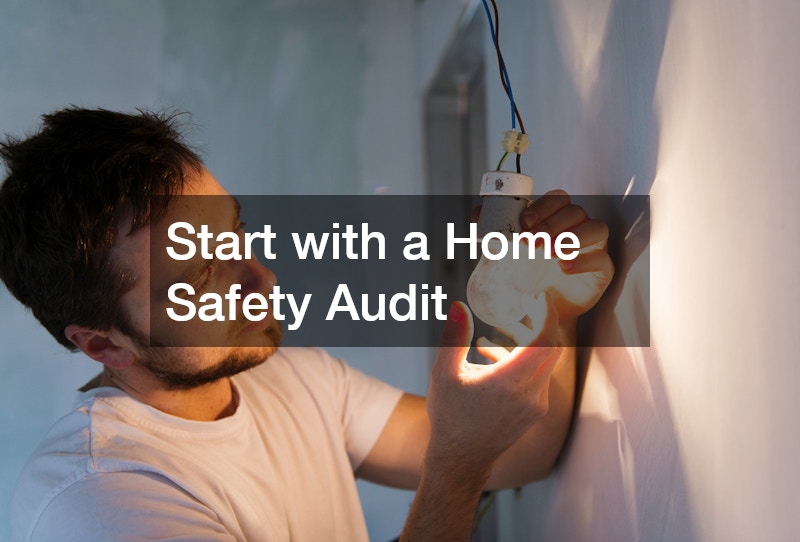
The first step in prioritizing maintenance is to understand your home’s current condition. Conduct a room-by-room inspection, noting any visible issues such as cracks, water damage, or aging systems. Identifying problems early helps prevent small issues from escalating into costly repairs.
Hiring a painting company for an initial assessment can also reveal hidden concerns. Peeling paint or discoloration may indicate moisture intrusion, structural damage, or mold growth. Addressing these signs early ensures that cosmetic improvements don’t mask deeper problems that could compromise safety or structural integrity.
Home safety audit tips:
-
Check for loose railings, worn flooring, and trip hazards.
-
Inspect walls, ceilings, and floors for cracks or water damage.
-
Make a prioritized list of urgent and non-urgent maintenance tasks.
Inspect and Maintain Roofs and Gutters
The roof is one of the most critical components of your home, protecting it from weather-related damage and preventing water intrusion. Even minor issues, such as missing shingles, damaged flashing, or worn seals, can allow water to seep in, leading to mold growth, wood rot, or structural deterioration over time. Regular inspections help catch these problems early, plan preventative repairs, and extend the lifespan of your roofing materials, keeping your home safe and structurally sound. Working with local roofers ensures that inspections and repairs are conducted by experienced professionals who can detect hidden issues, recommend necessary fixes, and schedule ongoing maintenance to prevent unexpected damage.
Seamless gutters play a separate but equally important role in home maintenance. Properly functioning gutters channel rainwater away from your foundation, preventing erosion, basement flooding, and water damage. Routine cleaning and inspections remove debris, prevent clogs, and ensure that water is efficiently diverted from the house, protecting both the structure and landscaping from long-term harm. By maintaining gutters independently from roof work, homeowners can address each system effectively and prevent costly problems before they develop.
Roof and gutter maintenance tips:
-
Inspect shingles, flashing, and valleys at least twice a year.
-
Clean gutters seasonally and check for leaks or sagging sections.
-
Ensure downspouts direct water away from the foundation.
Protect Outdoor Living Areas

Outdoor spaces such as decks, patios, and awnings are often heavily used but frequently overlooked in home maintenance plans. Neglecting these areas can create safety hazards, including weakened support structures, rotting materials, or instability that could lead to accidents. Maintaining a deck awning is essential for both functionality and longevity. Inspect the fabric or covering for tears, mold, or mildew, and ensure the support structure is secure. Regular cleaning and routine adjustments can prevent accidents and extend the lifespan of the installation, keeping outdoor living areas safe and enjoyable.
Tree services are another critical component of outdoor home maintenance. Overgrown, diseased, or damaged trees can pose serious risks to structures, walkways, and power lines. Professional trimming, pruning, or removal reduces the likelihood of storm-related damage and protects both people and property from falling branches or other hazards. Scheduling seasonal tree care not only enhances safety but also promotes healthy growth, preserves landscaping aesthetics, and minimizes unexpected repair costs over time.
Outdoor maintenance tips:
- Inspect deck boards and railings for cracks or rot.
- Clean awnings and check for loose or rusted hardware.
- Schedule regular tree trimming to eliminate hazards and improve curb appeal.
Maintain Plumbing and Water Systems
Plumbing systems are some of the most essential yet easily overlooked components of a home, and neglecting them can lead to serious problems. Leaks, corrosion, and blockages can cause extensive water damage, compromise structural elements, and create costly repairs if they aren’t addressed promptly. Regular inspections and routine maintenance allow homeowners to catch minor issues before they escalate, helping prevent water-related emergencies and preserving the integrity of the home. Hiring local plumbers for preventive maintenance ensures that all pipes, faucets, and drains are functioning properly. These professionals have the tools and expertise to detect hidden leaks, corrosion, or weak spots that may not be visible during a casual inspection, reducing the risk of sudden pipe bursts or drainage failures.
Bathroom remodelers often uncover plumbing concerns when updating fixtures or renovating spaces. During remodeling projects, issues such as outdated piping, water pressure inconsistencies, or slow drainage can come to light. Addressing these problems during the renovation prevents future emergencies and ensures that new bathroom upgrades function safely, efficiently, and long-term. By planning renovations with maintenance in mind, homeowners can improve water efficiency, reduce repair costs, and maintain both the functionality and safety of their bathrooms.
Plumbing maintenance tips:
- Inspect under sinks and around toilets for leaks.
- Test water pressure and drainage throughout the home.
- Schedule professional inspections before major remodels or seasonal changes.
Prepare for Emergencies and Utilities
Emergencies such as power outages, severe storms, or failures in water systems can cause significant disruption to daily life and create serious safety hazards for homeowners. Without proper preparation, even short-term issues can escalate into costly damage or unsafe conditions. Generator installations play a crucial role in emergency preparedness by providing a reliable backup power source when utility services are interrupted. Ensuring that a generator is professionally installed, regularly maintained, fueled, and tested helps avoid malfunctions when it is needed most, keeping essential systems like heating, refrigeration, and lighting operational and minimizing household disruptions.
Pools can also present safety risks if they are not properly maintained. Working with a local pool contractor ensures that seasonal maintenance, safety inspections, and winterization procedures are completed correctly. Professional care reduces the likelihood of equipment failure, prevents accidents, and prolongs the life of the pool. By addressing pool maintenance separately from other emergency preparations, homeowners can maintain a safe recreational environment for family and guests while minimizing costly repairs and potential hazards.
Emergency and utility preparedness tips:
- Test backup generators periodically and maintain fuel supplies.
- Ensure pools are properly covered, and equipment is winterized.
- Review emergency plans for household members and pets.
Schedule Interior and Cosmetic Maintenance
Interior maintenance plays a crucial role in both the safety and comfort of a home. Tasks like repainting walls, repairing flooring, and inspecting fixtures may appear purely cosmetic, but they often reveal hidden issues that require immediate attention. Ignoring these signs can lead to more serious problems over time, including water damage, mold growth, or structural concerns, which can compromise both the functionality and safety of living spaces. Regular interior upkeep ensures that your home remains not only visually appealing but also secure and well-maintained.
Working with a painting company to refresh surfaces can help identify and address issues such as cracks, moisture damage, or mold before they worsen. Similarly, a remodeling contractor can assist in scheduling minor updates and repairs to maintain the home’s functionality. From adjusting cabinets and fixing doors to replacing worn fixtures, timely interior improvements reduce the risk of accidents, extend the life of your home’s components, and preserve overall property value. Consistently addressing these tasks keeps your living environment safe, efficient, and comfortable for years to come.
Interior maintenance tips:
- Inspect walls, ceilings, and flooring for signs of damage.
- Schedule touch-ups or repainting to prevent deterioration.
- Include small repairs and adjustments in your maintenance plan.
Prioritize Tasks by Urgency and Impact
Not all maintenance tasks carry the same level of urgency or impact, which is why prioritization is essential for a safe and well-functioning home. By assessing tasks based on their potential to cause damage or disrupt daily life, homeowners can focus resources and attention on the issues that matter most. This approach helps prevent small problems from escalating into costly emergencies and ensures that critical systems—like water, electricity, and structural elements—remain reliable and safe. Prioritizing maintenance also allows for more efficient use of time and budget, so homeowners can plan routine upkeep without compromising essential repairs.
Bathroom remodelers frequently come across high-priority issues during renovations, such as leaks, loose fixtures, or inadequate ventilation. Addressing these concerns first prevents water damage, mold growth, and other hazards in spaces that are used daily. Similarly, local plumbers can spot urgent plumbing problems, including burst pipes, clogged sewage lines, or failing valves. Immediate intervention not only prevents flooding and structural damage but also minimizes repair costs and disruption to the household. By focusing on the maintenance tasks with the greatest potential impact, homeowners can protect their investment, enhance safety, and maintain the long-term functionality of their home.
Task prioritization tips:
- Categorize tasks as emergency, important, or optional.
- Address water and electrical hazards first.
- Create a running list of high-impact projects to tackle immediately.
Create a Maintenance Calendar
A maintenance calendar is an invaluable tool for homeowners looking to stay organized and proactive with their home upkeep. By scheduling seasonal and annual tasks, you ensure that nothing is forgotten and that preventive work is completed on time. Organizing maintenance by time of year allows you to balance inspections, minor repairs, and larger projects efficiently, reducing the risk of emergencies and helping to spread costs evenly throughout the year. A well-structured calendar also provides a clear overview of priorities, making it easier to plan professional services, track completed tasks, and anticipate upcoming needs.
Certain tasks are particularly time-sensitive and benefit from scheduled attention. For example, tree services should be planned seasonally to trim overgrowth, remove dead or damaged branches, and monitor overall tree health. Regular care prevents property damage during storms, keeps pathways and yards safe, and reduces the likelihood of costly emergency removals. Seamless gutters also require consistent maintenance, ideally during spring and fall. Cleaning and inspecting gutters at these times ensures they are free from leaves, debris, and clogs, reducing the risk of water damage, foundation issues, and overflow problems. Following a maintenance calendar keeps both your landscaping and critical home systems in top condition year-round.
Maintenance calendar tips:
- Assign tasks to specific months or seasons.
- Track completed work to avoid duplication.
- Include both interior and exterior tasks for a comprehensive plan.
Work with Qualified Professionals
Partnering with qualified contractors is one of the most effective ways to ensure that home maintenance and repairs are completed safely, efficiently, and to a high standard. Professionals bring specialized knowledge, tools, and experience that most homeowners lack, allowing them to identify potential issues before they become major problems. Relying on experts not only improves the quality of work but also protects your home’s long-term value, reduces the risk of costly mistakes, and provides peace of mind that all tasks are completed the first time.
Local roofers offer essential services such as thorough inspections, preventive maintenance, and timely repairs that safeguard your home from leaks, structural damage, and water-related issues. Their experience enables them to spot hidden problems, from compromised flashing to subtle shingle damage, that may go unnoticed by an untrained eye. Similarly, local pool contractors provide routine maintenance, equipment repairs, and seasonal care to keep pools safe and operational year-round. Entrusting these specialized tasks to professionals not only reduces the likelihood of accidents or equipment failure but also ensures compliance with safety standards and prolongs the lifespan of your investment.
Professional maintenance tips:
- Verify licenses, insurance, and references for all contractors.
- Schedule routine inspections for specialized systems like roofs and pools.
- Keep detailed records of all professional services for accountability.
A safer, smarter home begins with a proactive approach to maintenance. By conducting thorough inspections, prioritizing high-impact tasks, and scheduling routine care, homeowners can prevent costly repairs, improve safety, and extend the life of their property. Working with experienced professionals for specialized tasks ensures that both interior and exterior systems are maintained effectively.
Prioritizing maintenance tasks not only protects your investment but also creates a more comfortable and efficient living environment. With careful planning, clear documentation, and a structured calendar, homeowners can tackle improvements confidently, avoid surprises, and enjoy the long-term benefits of a well-maintained home.
About the Author