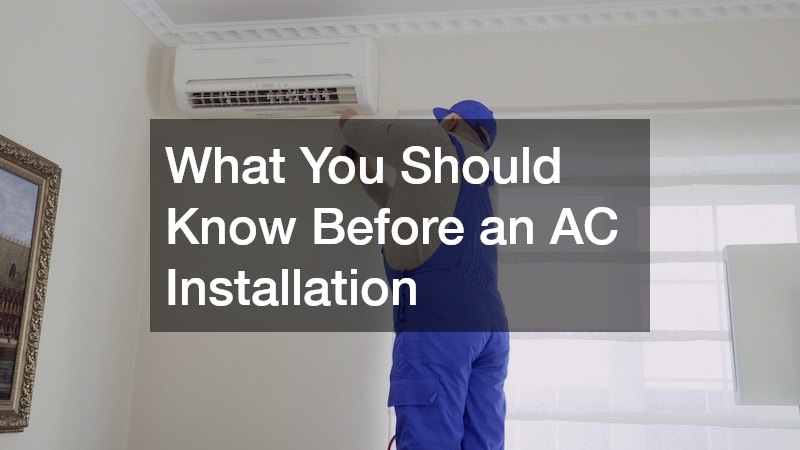
Before diving into an AC installation, it’s essential to analyze your specific cooling needs. Consider the size of the area you plan to cool, as this will guide the capacity of the air conditioning system you should purchase.
Calculating the square footage of your home is a good starting point to determine the tonnage of the AC unit required for optimal performance.
Different homes have varying insulation qualities, which significantly affect the efficiency of an air conditioning system. Homes with better insulation require less cooling power and are often cheaper to maintain over time. Understanding how well-insulated your home is can prevent unnecessary expenditure on a larger, more expensive system.
Additionally, lifestyle considerations, such as the number of occupants and heat-generating appliances, play a crucial role in determining your cooling requirements. A family that uses many electronic devices may need a more robust system to manage the additional heat. By accurately assessing these factors, you ensure your new air conditioning system operates efficiently and meets your comfort needs.
Selecting the Right Type of AC Unit
With numerous air conditioning systems available, selecting the right type can be daunting. The common types include central air conditioning, ductless mini-splits, window units, and portable units. Each type has its distinct advantages and suits different installation scenarios and cooling demands.
Central air conditioning units are ideal for cooling entire homes and require ductwork, making them unsuitable for some older properties. In contrast, ductless mini-split systems offer more flexibility without needing ducts, making them an excellent choice for smaller homes or individual room cooling. As a potential buyer, weighing the pros and cons of each type and understanding their installation requirements is imperative.
Window units and portable units, while more economical, typically serve smaller spaces and might not be as energy-efficient for larger areas. These systems can be a temporary or supplementary solution, especially if you are considering a larger investment later. Ultimately, your choice should reflect both your immediate needs and long-term energy efficiency goals.
Evaluating Energy Efficiency and Costs
Energy efficiency should be a primary concern during the AC installation process. Modern AC units come with a Seasonal Energy Efficiency Ratio (SEER) rating, which helps in evaluating their performance. Higher SEER ratings generally indicate better energy efficiency, potentially lowering your monthly utility bills.
Though systems with higher SEER ratings often have a higher initial cost, they can result in significant savings over time, offsetting the larger upfront investment. It’s essential to calculate the long-term financial benefits before making a decision. Choosing an energy-efficient model not only saves money but also reduces your home’s carbon footprint.
Additionally, consider installation costs and potential expenses for future repairs and maintenance. Some energy companies offer rebates for installing high-efficiency systems, which can further mitigate costs. An AC installation that balances initial expenses with long-term savings through energy efficiency will be most beneficial.
Hiring a Professional Installer
After selecting the right unit, the next step is to hire a professional installer to ensure your system is set up correctly. Experienced installers can help in maximizing the efficiency and longevity of your air conditioning unit. They are also adept at handling any unexpected challenges that may arise during the installation process.
Hiring professionals means you can rest assured that all components are correctly connected and the system is fully operational upon completion. Proper installation is critical, as even the most advanced systems can underperform if not installed correctly. The professional will also ensure that your system complies with local building codes and regulations.
Reputable installers often provide warranties and maintenance agreements that offer peace of mind and long-term support. Investing in a qualified professional reduces potential complications and extends the overall lifespan of your AC system. It is wise to seek recommendations and verify credentials to vet the best possible candidates for the job.
Maintenance and Aftercare
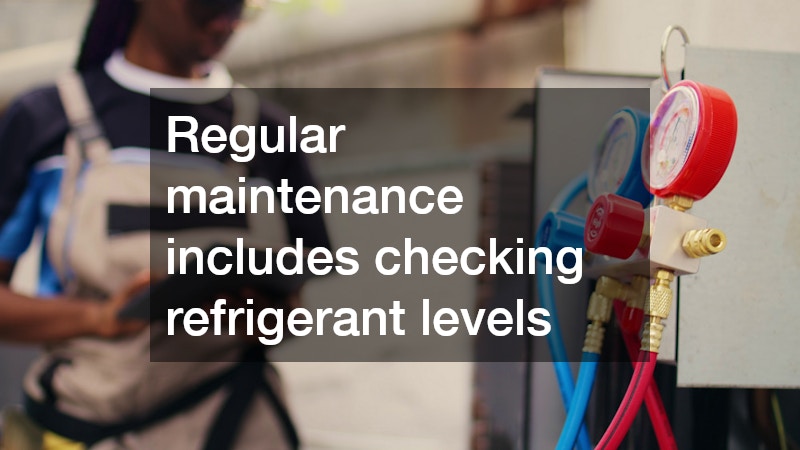
Once your new AC system is up and running, regular maintenance is key to ensuring its efficient and long-lasting operation. Scheduling annual check-ups with a professional technician can help prevent potential issues and maintain system efficiency. Regular maintenance includes checking refrigerant levels, inspecting electrical connections, and cleaning or replacing air filters.
Simple measures such as keeping the outdoor unit free of debris and ensuring the indoor unit has proper airflow can enhance system performance. Many manufacturers also provide guidelines on maintaining your specific system and may offer maintenance packages as part of the installation service. Regular care not only extends the life of your system but also optimizes energy savings throughout its use.
Being proactive about aftercare and promptly addressing minor repairs keeps your existing air conditioning system working efficiently. Establishing a consistent maintenance routine minimizes potential and costly repairs over time. By investing in regular upkeep, you ensure comfort and reliability from your AC system during the hottest months.
About the Author