
Deciding whether to focus on interior or exterior home improvements first can feel overwhelming, especially when both areas may need attention. Each part of the home contributes to its overall value, comfort, and long-term performance, but the right place to begin often depends on your goals, budget, and the current condition of your property. Some homeowners prioritize interior updates to enhance daily living, while others begin with exterior improvements that protect the home from weather and structural issues. Understanding how different upgrades impact safety, efficiency, and resale value can help you create a clear plan for your renovation timeline. By evaluating your home’s needs with intention, you can make confident decisions that support both immediate satisfaction and long-term durability.

Evaluating Your Home’s Most Pressing Functional Needs
Before deciding where to begin, it is important to assess the most urgent functional needs of your home. Upgrades that address safety concerns, electrical issues, or aging systems often take priority because they influence your ability to live comfortably and securely. A careful evaluation helps you determine whether the interior or exterior requires more immediate attention, ensuring that your renovation sequence supports long-term reliability. Focusing on essential functions also prevents future problems that may arise if underlying issues are not addressed early.
More specifically, local electricians can help identify outdated wiring, insufficient power capacity, or other electrical concerns that may impact your renovation plans. Their assessment ensures that your home meets modern safety standards and is prepared to support new lighting, appliances, or technology upgrades. By addressing electrical needs first, you create a safe foundation for any interior enhancements that follow.
Determining Whether Structural Work Should Come First
Structural work often forms the backbone of a successful renovation, and determining whether these improvements are needed upfront can help shape the order of your projects. If your home requires foundation repairs, framing updates, or changes to load-bearing walls, it is usually best to complete this work before cosmetic interior improvements. Starting with structural upgrades reduces the risk of damaging finished spaces later and ensures your home remains stable, secure, and ready for further refinements. This approach protects your investment and allows the rest of your home improvements to proceed efficiently.
More specifically, home builders can provide guidance on whether structural work should take priority based on your home’s current condition. They can evaluate foundational stability, wall integrity, and framing needs, offering insight into what must be addressed before moving forward with interior or exterior renovations. Their expertise ensures that your renovation timeline supports safety and long-term structural performance.

Enhancing Interior Value With High-Quality Surfaces
Interior upgrades can dramatically influence how your home looks, feels, and functions on a daily basis. High-quality surfaces improve durability, enhance visual appeal, and provide a more enjoyable living environment. When evaluating whether to begin with interior improvements, consider the areas you use most frequently and the surfaces that endure the most wear. Investing in premium materials can help create a more updated, luxurious interior that adds immediate value and comfort. Additionally, interior upgrades are often easier to complete during certain seasons, making them a practical first step depending on the time of year and your renovation goals.
More specifically, installing a granite counter can be a transformative way to elevate kitchens, bathrooms, or entertainment spaces. Granite provides unmatched durability, heat resistance, and aesthetic appeal, offering a timeless look that complements both modern and classic designs. This upgrade enhances functionality while increasing your home’s market value, making it a worthwhile investment if your interior needs attention before tackling exterior renovations.
Improving Energy Efficiency Through Updated Entry Points
Energy efficiency plays a major role in both comfort and long-term savings, and entry points like doors and windows are often significant contributors to heat loss or drafts. If your home feels difficult to heat or cool, focusing on exterior openings may be the most logical first step. Modern entry systems improve insulation, sound control, and security, making your home more efficient and peaceful. Updating these areas early in your renovation process can also reduce strain on your heating and cooling systems, helping maintain consistent indoor temperatures and lowering utility bills.
More specifically, replacement doors and windows can significantly improve your home’s energy performance. High-quality, well-sealed models help prevent air leakage, reduce noise from outside, and enhance overall comfort. They also contribute to curb appeal and increase your home’s resale value. If your current doors and windows are outdated or show signs of wear, addressing them early can make all future improvements more effective.
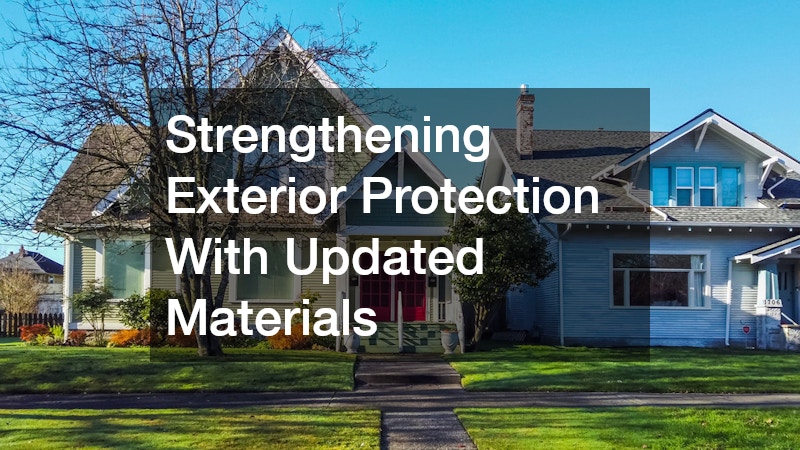
Strengthening Exterior Protection With Updated Materials
The exterior of your home is its first line of defense against weather, moisture, and temperature fluctuations. When deciding whether to begin with interior or exterior improvements, it is important to consider the condition of your home’s outer shell. If siding, roofing, or structural materials are compromised, interior upgrades may be at risk of damage. Prioritizing exterior protection ensures that the rest of your investments remain secure, making it a critical first step in many renovation plans. Strengthening exterior materials can also improve energy efficiency, prevent long-term issues, and boost curb appeal in a meaningful way.
More specifically, siding installation can transform both the appearance and functionality of your home. Modern siding materials offer improved durability, weather resistance, and insulation properties that help protect your interior from moisture and temperature changes. New siding also refreshes your home’s aesthetic dramatically, making it look cleaner, newer, and more upscale. Completing siding improvements early ensures that your home is protected before focusing on interior enhancements, creating a stable environment for future renovations.
Addressing Weather Vulnerabilities Before Cosmetic Changes
Weather protection is one of the most important factors to evaluate when choosing whether to focus on interior or exterior home improvements first. Even the most beautiful interior upgrades can be compromised if the home’s exterior is not properly shielded from rain, wind, snow, or sun exposure. Moisture infiltration, heat loss, and structural deterioration often begin subtly, yet they can quickly lead to costly damage that undermines flooring, drywall, cabinetry, and other interior investments. When exterior vulnerabilities exist, prioritizing protective upgrades ensures that all future indoor improvements remain safe and long-lasting. Strengthening the home’s envelope creates a solid foundation for everything that comes afterward, making it a practical starting point for many remodeling plans.
More specifically, roofing is an essential component of this protective barrier. If your roof shows signs of leaks, missing shingles, sagging, or aging materials, addressing it before any interior renovations is critical. A reliable roof prevents moisture from seeping into ceilings, walls, and insulation—areas that, once damaged, are far more expensive and disruptive to repair. Ensuring your roof is sound makes the rest of your home improvements more secure and cost-effective.
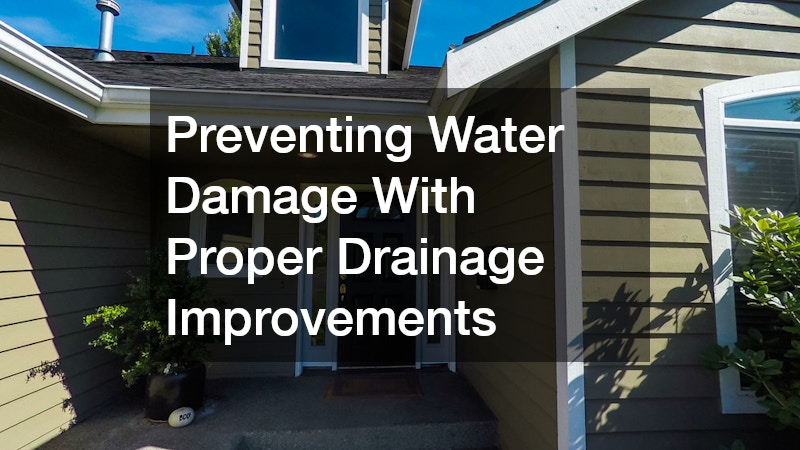
Preventing Water Damage With Proper Drainage Improvements
Drainage issues are another major factor that can influence whether exterior improvements should take priority. Poor drainage can lead to foundation weakening, basement flooding, mold growth, and erosion around the property—all of which threaten your interior remodeling efforts. Before investing in new flooring, cabinetry, or wall finishes, it is essential to ensure that the home is protected from water intrusion. Effective drainage solutions safeguard both structural integrity and interior comfort, creating a more stable environment for long-term improvements. By addressing these concerns early, you reduce the risk of repeated repairs and create a safer, drier home overall.
More specifically, a gutter contractor can help you evaluate whether your current drainage system is functioning properly. Updating gutters, downspouts, and gutter guards ensures that water flows away from the home instead of pooling near the foundation or spilling onto exterior walls. Professional gutter improvements reduce the risk of leaks and prevent soil saturation that could later damage interior upgrades. This step strengthens your home’s defenses and prepares it for more decorative or comfort-focused changes down the road.
Assessing Long-Term Benefits of Professional Exterior Upgrades
When deciding whether to start inside or outside, it is important to consider the long-term benefits of major exterior upgrades. Exterior renovations often enhance property value in significant ways, sometimes even more dramatically than interior projects, because they directly influence curb appeal, energy performance, and structural health. A strong exterior can reduce long-term maintenance costs, improve insulation, and create a more durable home environment. Additionally, many exterior projects last for decades, making them a solid investment that supports all future improvements. Evaluating longevity, cost-effectiveness, and return on investment can help you determine whether exterior upgrades deserve priority in your renovation timeline.
More specifically, roofing companies can help assess what exterior improvements will offer the best long-term benefits for your home. They may recommend maintenance, repairs, or full replacements depending on the condition of your roof and surrounding structures. Their expertise ensures that you invest in upgrades that protect your home’s overall value, improve efficiency, and eliminate risks that could later affect interior remodeling work. By consulting professionals early, you create a clear roadmap that supports both immediate needs and future renovation goals.
Prioritizing Major Protective Improvements for Safety
Safety should always be at the forefront when determining whether to begin with interior or exterior upgrades. Some improvements directly influence your home’s overall protection and structural stability, making them more urgent than visual or convenience-based updates. If parts of your home are vulnerable to collapse, leaks, or other hazards, those issues can jeopardize every aspect of your living environment. Prioritizing major protective improvements ensures that your home remains secure, dry, and structurally sound, allowing you to plan interior updates without fear of damage or disruption. Addressing these needs early also helps you avoid emergency repairs and unexpected costs that often arise when safety issues are overlooked. The right protective upgrades can dramatically extend your home’s lifespan and give you peace of mind as you continue renovating.
More specifically, a roof replacement service can step in when your home shows signs of serious wear, such as soft spots, chronic leaks, widespread shingle loss, or sagging areas. These professionals evaluate the full condition of your roof and determine whether repairs or a complete replacement is necessary to safeguard your home. By replacing the roof before beginning major interior renovations, you prevent water intrusion, mold growth, drywall damage, and insulation deterioration—issues that can ruin both new and existing features. A high-quality roof replacement ensures your home is safe from above, allowing you to confidently move forward with structural, cosmetic, and design-focused improvements inside.
Choosing Skilled Experts for Exterior Renovation Projects
Working with skilled contractors is essential when addressing exterior improvements, especially those that influence your home’s safety, weather resistance, and energy efficiency. Exterior renovations often involve complex work that requires expert knowledge, precise installation techniques, and an understanding of building codes and materials. Choosing the right professionals helps ensure that your upgrades are done correctly the first time, reducing long-term maintenance issues and preventing costly repairs. Skilled experts also offer valuable insight into which exterior improvements should take priority based on the condition of your home, local climate patterns, and your long-term goals. Their guidance helps you make smart decisions about where to invest your time and resources.
More specifically, local roofing contractors offer localized expertise that can be especially beneficial when planning exterior renovations. They understand regional weather conditions, common roofing issues in your area, and the best materials suited to your climate. Their experience ensures that your roof and related exterior structures are installed to withstand seasonal changes, protect interior spaces, and maintain long-term durability. Whether your renovation requires maintenance, repairs, or a full replacement, a local expert can help you create a strong exterior foundation that supports all future home improvements.
Choosing whether to focus on interior or exterior home improvements first is a decision that depends on safety, functionality, and long-term value. While interior upgrades can immediately enhance your day-to-day living experience, exterior improvements often protect the entire home and prevent damage that could compromise even the most carefully planned interior renovations. Evaluating essential systems, checking for structural issues, and identifying potential weather vulnerabilities are important first steps when creating your renovation roadmap. Improvements such as repairing the roof, updating siding, replacing windows, and improving drainage can strengthen your home’s defenses, making interior upgrades safer and more cost-effective in the long run.
At the same time, interior upgrades like premium surfaces, lighting enhancements, and layout improvements can dramatically elevate comfort and style once the exterior is secure. By thoughtfully assessing your home’s most urgent needs and working with qualified professionals, you can create a renovation plan that delivers beauty, functionality, and durability. A strong exterior ensures that your interior investments remain protected, while interior enhancements refine the environment you enjoy every day. Ultimately, the best approach is one that balances immediate comfort with long-term safety—helping you create a home that is both resilient on the outside and richly satisfying on the inside.
About the Author