- Check basic power and thermostat settings first – Often, a tripped breaker, unplugged furnace, or incorrect thermostat mode is the reason your furnace isn’t turning on.
- Dirty air filters can cause major issues – Clogged filters restrict airflow, can overheat the system, and reduce efficiency. Regular replacement is essential.
- Pilot light, ignition, and fuel issues are common for gas furnaces – Ensure the pilot light is lit, the ignition system is functioning, and fuel supply is adequate.
- Blower motor and vent problems affect airflow – Malfunctioning motors or blocked vents can prevent warm air from circulating, even if the furnace produces heat.
- Limit switches and safety features may trigger shutdowns – Overheating or restricted airflow can cause the furnace to stop unexpectedly; regular maintenance prevents this.
- Electrical and thermostat malfunctions require attention – Loose wiring, blown fuses, or faulty thermostats can stop the furnace from operating properly.
- Older furnaces may need replacement – Systems nearing 15–20 years often fail frequently and operate less efficiently; upgrading can save energy and prevent repeated breakdowns.
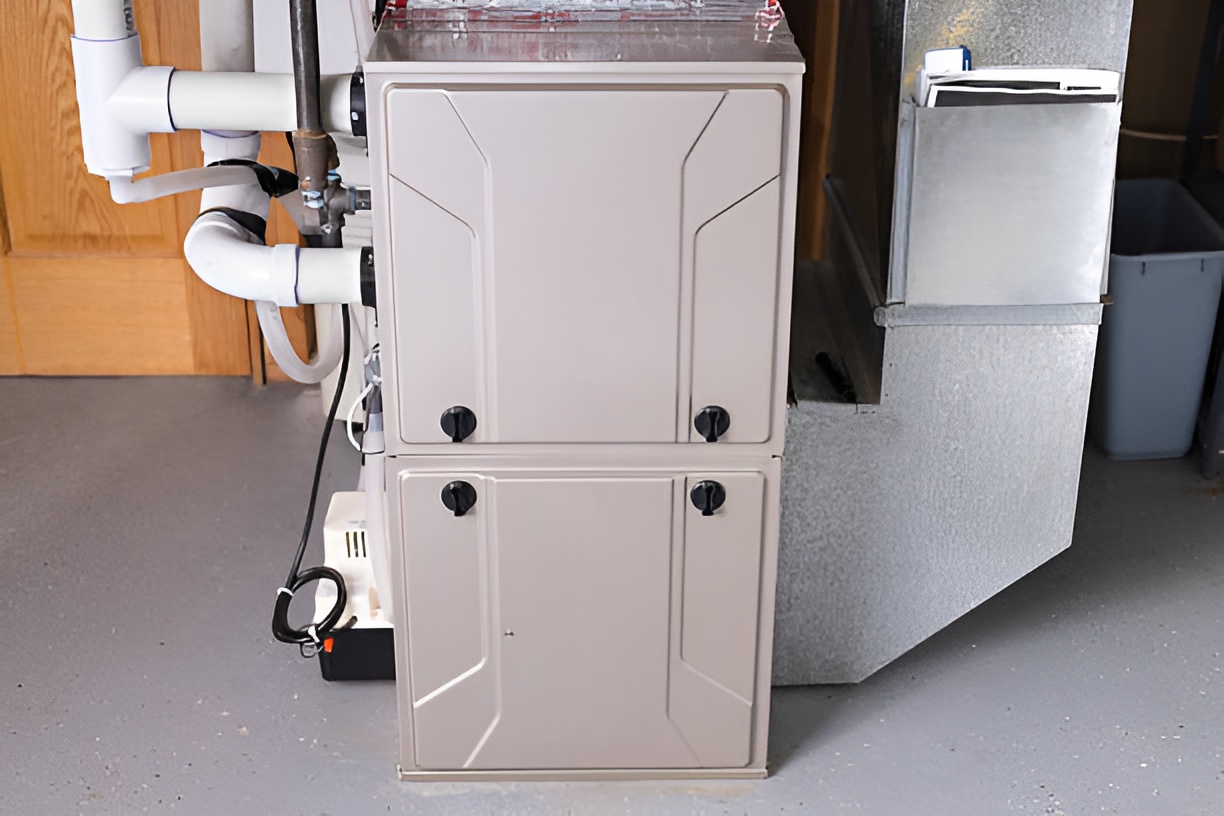
When your furnace stops working, it can be more than just inconvenient—it can make your home uncomfortable and even unsafe, especially during the colder months. Before you panic and call an expensive repair service, it helps to understand why your furnace might not be working and what you can do about it. In this article, we’ll cover 10 common reasons furnaces fail, along with practical solutions and tips to keep your heating system running smoothly.
1. Why is My Furnace Not Turning On?
If your furnace isn’t turning on, the problem can range from something very simple to a more serious mechanical or electrical issue. Before panicking, it’s helpful to check a few key areas that are often overlooked:
- Power supply: Make sure your furnace is properly plugged in and that the circuit breaker hasn’t tripped. Sometimes, a simple reset of the breaker can bring your system back to life. If the breaker keeps tripping, it could indicate an underlying electrical issue that needs a professional.
- Thermostat settings: Double-check that your thermostat is set to “heat” and that the temperature is above the current room temperature. Some thermostats may also have “eco” or “programmed” settings that prevent the furnace from turning on immediately.
- Pilot light or ignition system: For gas furnaces, the pilot light or electronic ignition is what starts the heating process. If the pilot light is out or the ignition system fails, the furnace won’t ignite. Make sure the pilot is lit according to the manufacturer’s instructions, and for electronic ignition, confirm that the system is receiving power.
These basic checks often solve minor problems quickly and save you from an unnecessary service call. If none of these fixes work, it may indicate a more complex mechanical or electrical issue.
2. Could a Dirty Filter Be the Reason?
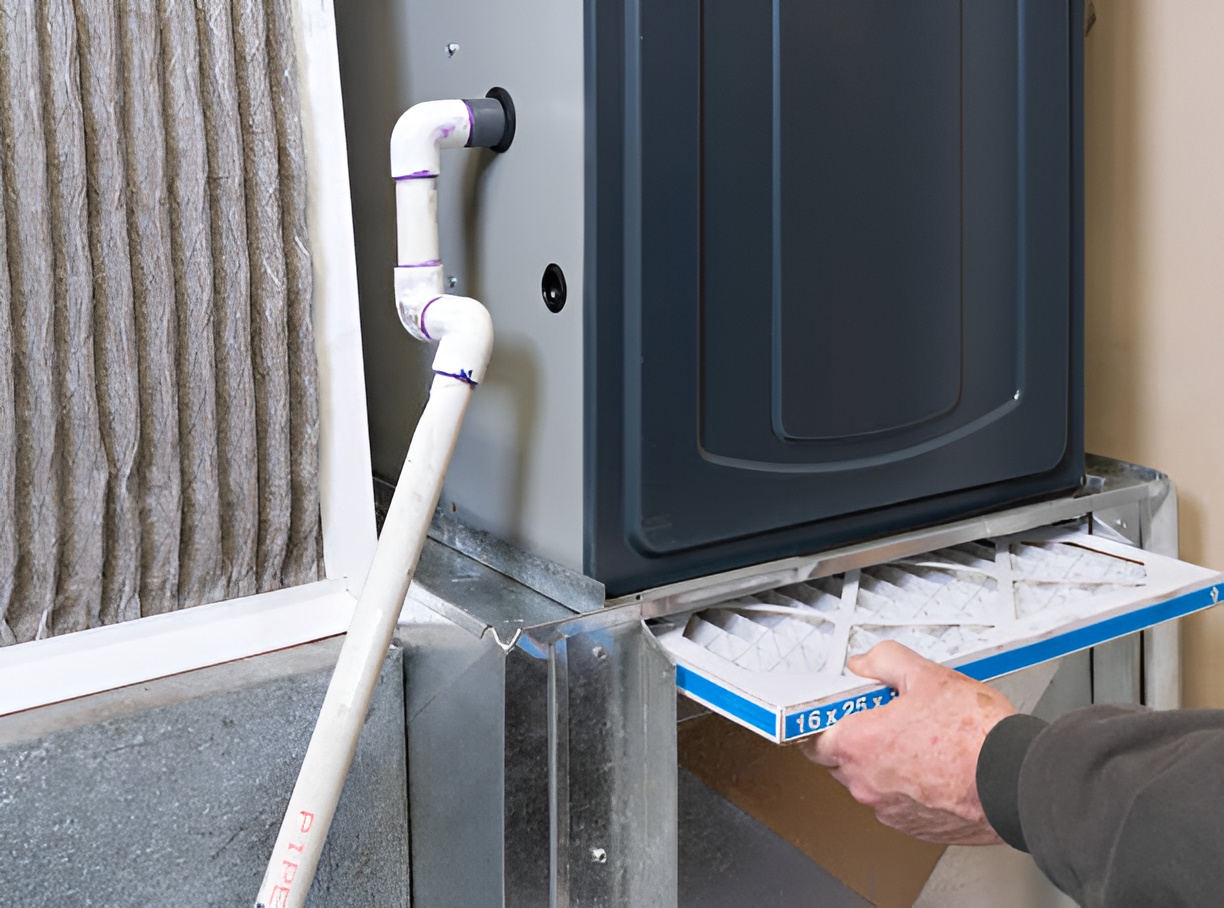
A dirty air filter is one of the most common—and easily fixable—reasons a furnace isn’t working efficiently. When the filter is clogged, airflow is restricted, which can cause the furnace to overheat and shut down as a safety precaution.
How to fix it:
- Turn off the furnace before attempting any maintenance to avoid accidents.
- Remove the filter and check for dust, dirt, or pet hair. A dirty filter will usually appear gray or brown.
- Replace disposable filters with a new one or clean reusable filters according to the manufacturer’s instructions.
- Consider replacing filters every 1–3 months depending on factors like how often the furnace runs, the number of occupants, and whether you have pets.
Keeping the air filter clean not only helps your furnace work efficiently but also improves indoor air quality and reduces wear on other components.
3. Is Your Furnace Thermostat Acting Up?
Even a fully functional furnace won’t run if the thermostat isn’t working properly. Thermostats act as the brain of your heating system, signaling when the furnace should turn on or off.
Common thermostat problems:
- Dead batteries that prevent the thermostat from sending a signal
- Incorrect settings, such as accidentally being set to “cool” or “fan only”
- Loose wiring or internal malfunctions that prevent proper operation
How to fix it:
- Replace the batteries if your thermostat has them.
- Make sure it’s set to “heat” and the temperature is above room temperature.
- If problems continue, consider upgrading to a programmable or smart thermostat. These can improve energy efficiency, provide better temperature control, and reduce furnace strain.
A reliable thermostat is critical because even a perfect furnace will remain idle without accurate signals.
4. Could a Pilot Light or Ignition Problem Be the Cause?
Gas furnaces rely on a pilot light or electronic ignition to ignite the burners that heat your home. If this component isn’t working, the furnace won’t produce any heat.
Signs of pilot or ignition problems:
- Furnace fails to start even when the thermostat calls for heat
- Yellow, flickering, or unusually weak pilot flame (it should be a steady blue)
- Clicking sounds from the ignition system without the furnace turning on
How to fix it:
- Follow your furnace manual for safely relighting a pilot light. Safety is key—never attempt to relight a pilot if you smell gas.
- Ensure electronic ignition systems are receiving power and are properly aligned.
- If you’re unsure about handling gas components, call a licensed HVAC professional to avoid dangerous mistakes.
Handling gas safely is critical. Improperly managed pilot lights or ignitions can lead to fire hazards or carbon monoxide leaks.
5. Could Your Furnace Be Tripping Its Limit Switch?
The limit switch is a safety feature designed to prevent your furnace from overheating. If the furnace keeps turning off unexpectedly, it may be because the limit switch is activating due to excessive heat.
Common causes:
- Dirty or clogged air filters restricting airflow
- Blocked vents or registers that trap heat inside the furnace
- Malfunctioning blower fan failing to move air efficiently
How to fix it:
- Replace or clean air filters regularly.
- Ensure vents and registers are clear of furniture or other obstructions.
- Inspect the blower fan for dust buildup or mechanical problems and clean if necessary.
- If the limit switch keeps tripping even after these steps, have a professional inspect the system.
Regular maintenance can prevent unnecessary shutdowns caused by the limit switch and keep your furnace running safely.
6. Is the Blower Motor Malfunctioning?
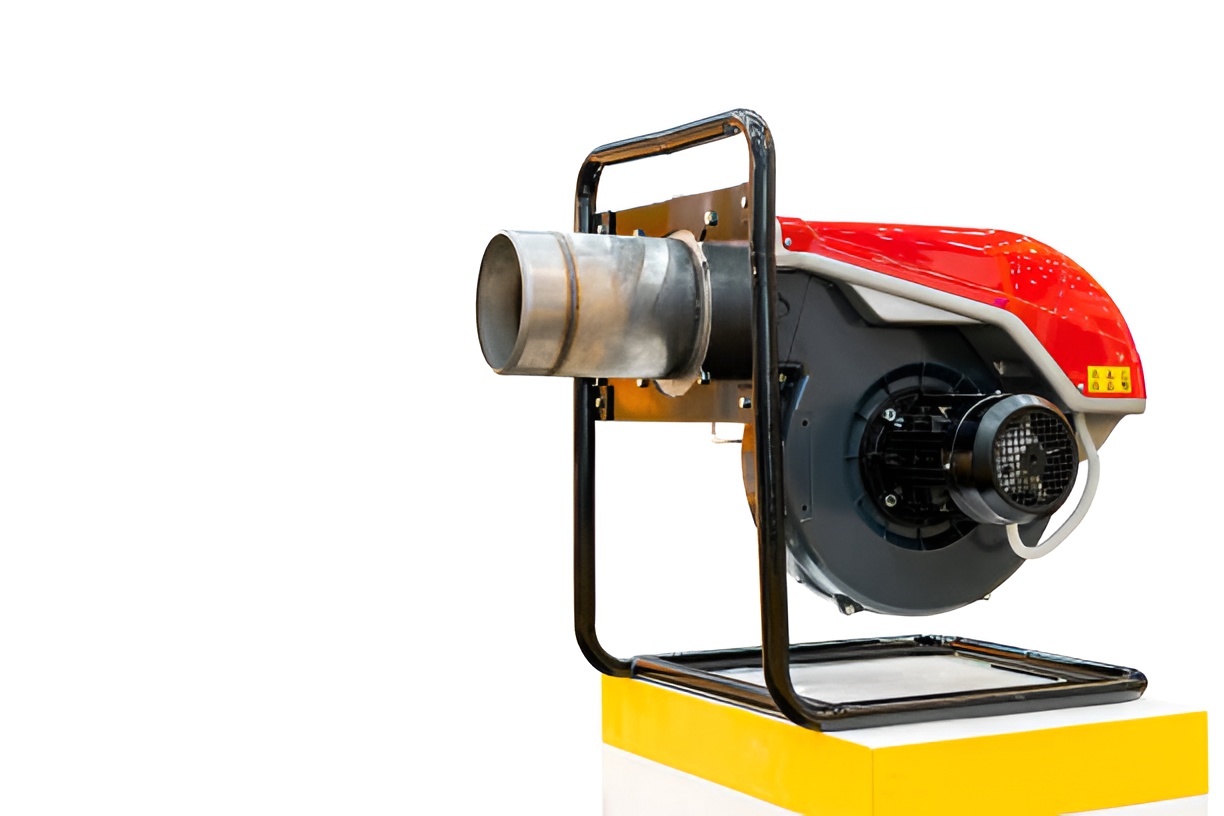
The blower motor pushes heated air from the furnace into your home. If it fails, the furnace might produce heat, but it won’t circulate it effectively.
Signs of a failing blower motor:
- Furnace turns on, but warm air isn’t reaching the rooms
- Strange sounds such as humming, grinding, or squealing
- Inconsistent airflow from vents
How to fix it:
- Check for loose belts or mechanical connections.
- Clean dust and debris from the motor and blower assembly.
- Lubricate moving parts if the manufacturer recommends it.
- Persistent issues may require professional repair or motor replacement.
Blower problems are a frequent cause of furnaces failing to heat homes properly, and timely maintenance can prevent more serious damage.
7. Could Dirty or Blocked Vents Be the Issue?
Even a perfectly working furnace will struggle to heat your home if airflow is restricted. Blocked vents reduce circulation, forcing the furnace to work harder and potentially overheat.
How to troubleshoot:
- Walk through the home to ensure all vents are open and unobstructed.
- Move furniture, rugs, or curtains that might block airflow.
- Inspect ductwork for leaks, holes, or disconnections that could reduce efficiency.
Ensuring proper airflow improves furnace performance, reduces energy bills, and prolongs the life of your heating system.
8. Could Your Furnace Be Low on Gas or Fuel?
For fuel-powered furnaces, a lack of gas, oil, or propane can prevent the system from operating.
What to check:
- Confirm the gas valve is open and the supply line is functional.
- Check that your utility service is active and uninterrupted.
- For oil or propane systems, ensure there is adequate fuel in the tank.
If you suspect a fuel supply issue beyond a simple valve or level check, contact your utility provider or a licensed technician immediately. Never attempt to bypass fuel safety systems.
9. Are Electrical Issues Causing the Furnace Not to Work?
Furnaces require electricity for ignition, safety systems, and blower operation. Electrical issues can prevent the furnace from running or create erratic behavior.
Common electrical problems:
- Tripped circuit breakers or blown fuses
- Loose or corroded wiring connections
- Faulty relays or control boards
How to fix it:
- Reset breakers or replace fuses where necessary.
- Inspect wiring for loose connections or visible damage.
- For major electrical failures, call a certified technician.
Electrical work can be dangerous. If you aren’t experienced, it’s safer to have a professional diagnose and repair these issues.
10. Could the Age of Your Furnace Be the Real Problem?
Even with perfect maintenance, furnaces eventually wear out. Most systems last 15–20 years, after which they become less reliable and less efficient.
Signs it may be time for replacement:
- Frequent breakdowns and repeated repairs
- Rising energy bills despite normal usage
- Uneven heating across rooms
- Strange noises, odors, or visible rust
Investing in a modern, energy-efficient furnace can reduce energy costs, improve comfort, and prevent recurring failures.
Tips to Keep Your Furnace Running Smoothly
Prevention is always better than repairs. Here’s how to keep your furnace in top shape:
- Replace or clean air filters every 1–3 months.
- Schedule annual maintenance with a licensed HVAC professional.
- Keep vents and registers free from obstructions.
- Regularly check and update thermostat batteries.
- Inspect for dust buildup, corrosion, or leaks annually.
Following these steps minimizes the risk of unexpected breakdowns and ensures your home stays warm all year.
When to Call a Professional
While many furnace issues can be diagnosed and even fixed by homeowners, some problems require professional attention:
- Gas leaks or suspected carbon monoxide issues
- Persistent electrical or ignition problems
- Blower motor failures that cannot be resolved with cleaning or lubrication
- Furnaces older than 15–20 years with repeated issues
A licensed HVAC technician can ensure repairs are safe, effective, and compliant with local regulations.
In Closing
A furnace not working can be stressful, especially during the colder months, but many problems are solvable once you understand the common causes. From dirty filters and thermostat issues to aging equipment and blower motor problems, most homeowners can troubleshoot basic issues safely. Remember, regular maintenance and early intervention can prevent small issues from becoming expensive repairs.
By following the tips in this guide and knowing when to call a professional, you can keep your furnace running efficiently and your home comfortably warm all year round.
About the Author