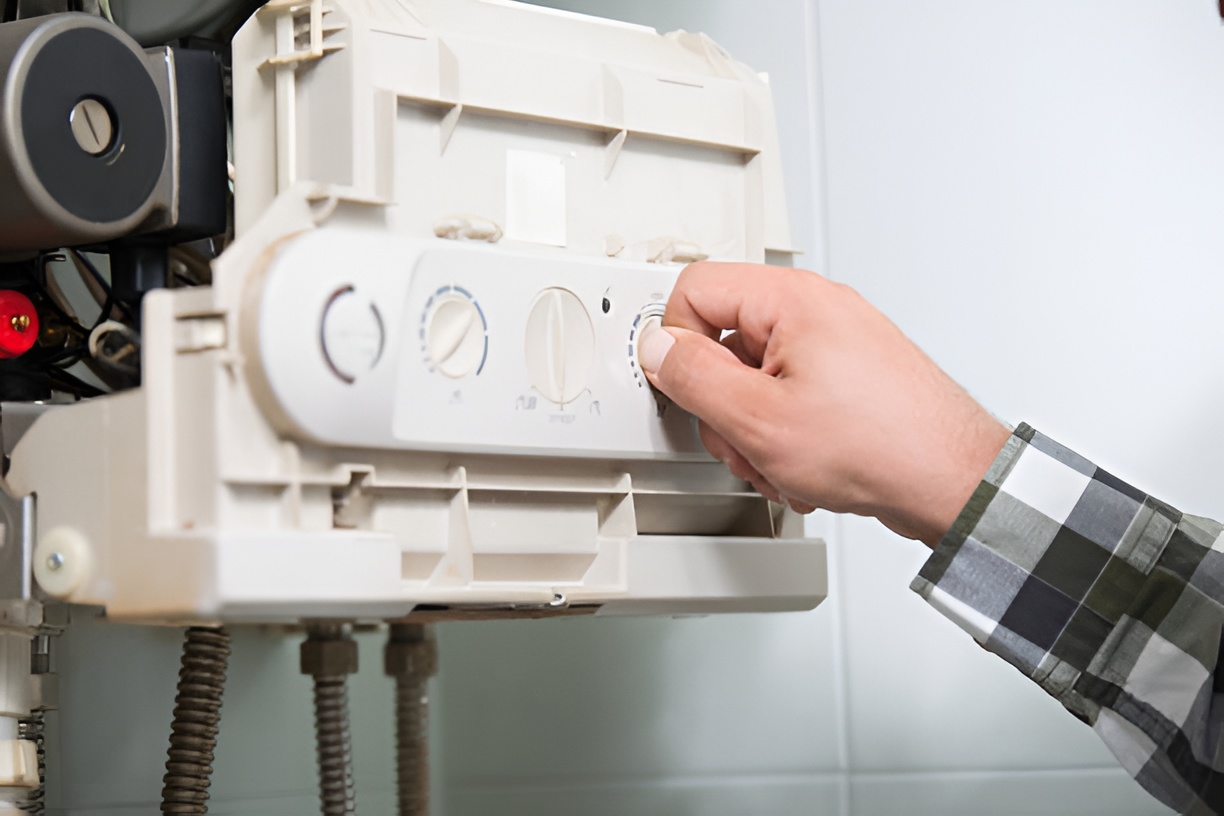
- Always start with safety: turn off power and gas before inspecting the furnace.
- Check the thermostat first—sometimes the furnace isn’t the problem.
- Ensure the furnace has power: check breakers, switches, and fuses.
- Inspect and replace dirty air filters, which can prevent the furnace from starting.
- Examine the ignition system or pilot light for gas furnaces.
- Look for common mechanical or electrical issues, including flame sensors, limit switches, or blower motors.
- Call a professional if there are gas leaks, persistent ignition failures, or other safety-critical problems.
There’s nothing worse than waking up to a chilly home and realizing your furnace won’t turn on. Before you panic or call a professional, there are several steps you can take to identify the issue. Troubleshooting your furnace doesn’t have to be complicated. In this guide, we’ll walk you through common problems, easy fixes, and preventive tips to get your furnace running again.
Why Won’t My Furnace Turn On?
If you notice your furnace not working, it’s usually due to one of a few common problems. Understanding why this happens can save you time and money. Some of the most frequent causes include:
- Tripped circuit breakers
- Faulty thermostats
- Dirty or clogged filters
- Gas supply issues
- Ignition problems
By narrowing down the potential causes, you can tackle the problem more effectively.
Safety First: What Should You Check Before Troubleshooting?
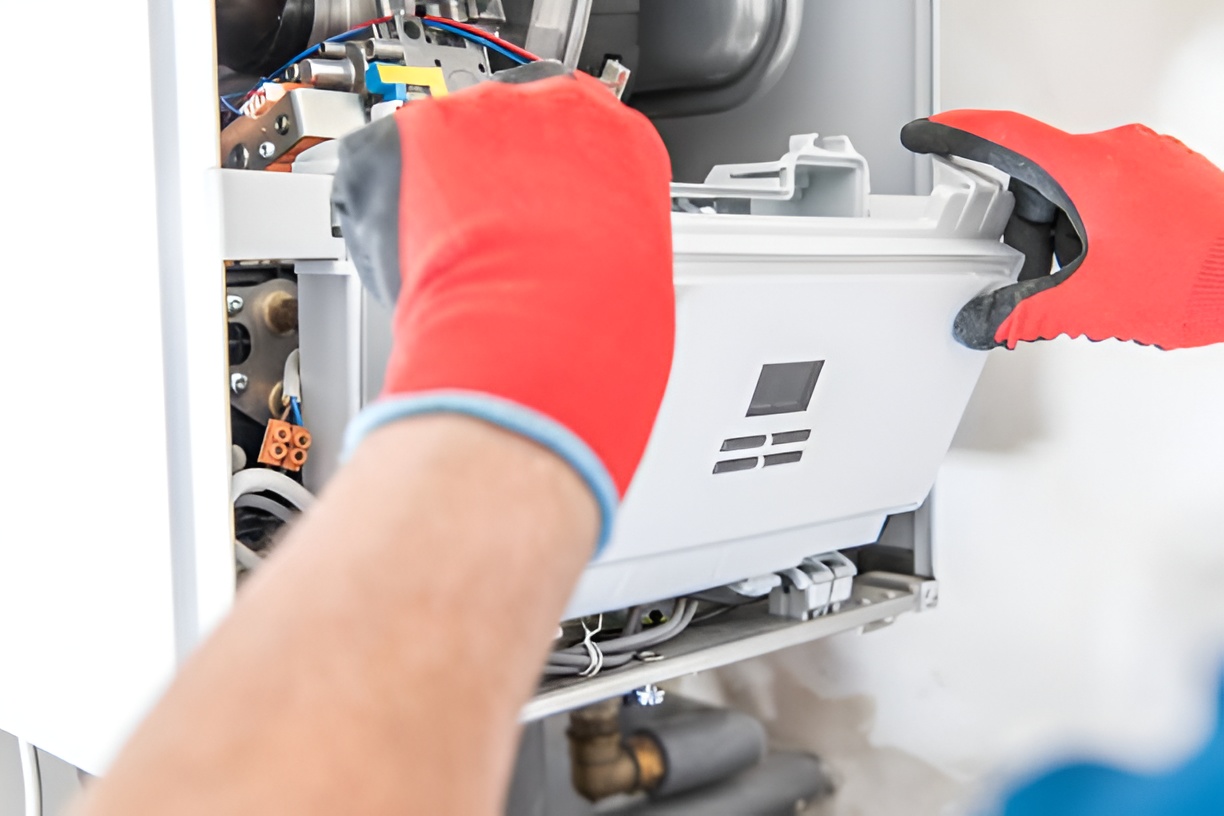
Before you start poking around your furnace, make sure you’re doing it safely. Furnaces involve electricity, gas, and high heat, so a few precautions are necessary:
- Turn off the power to your furnace at the breaker panel.
- Shut off the gas supply if your furnace is gas-powered.
- Keep children and pets away from the area while you troubleshoot.
- Avoid touching components if you’re unsure what they do.
Taking these simple steps can prevent accidents and make troubleshooting much easier.
Step 1: Check the Thermostat
Your furnace might not be the problem at all. Sometimes, the issue is as simple as a thermostat that isn’t calling for heat. Here’s what to check:
- Set the thermostat correctly: Make sure it’s on “heat” mode and the temperature is set higher than the current room temperature.
- Check the batteries: Many thermostats rely on batteries; replace them if needed.
- Inspect for damage: Loose wires or faulty settings can prevent your furnace from turning on.
If the thermostat isn’t functioning properly, replacing it could solve your problem without touching the furnace itself.
Step 2: Inspect the Furnace Power Supply
Even a perfectly working furnace won’t turn on if it’s not getting power. Check these areas:
- Circuit breaker: Ensure the furnace breaker hasn’t tripped. Flip it off and on to reset if necessary.
- Power switch: Many furnaces have a switch near the unit that looks like a regular light switch. Make sure it’s on.
- Blown fuses: If your furnace uses fuses instead of a breaker, inspect them for damage and replace if necessary.
Without proper power, the furnace won’t start, so this step can save you from unnecessary troubleshooting.
Step 3: Examine the Air Filter
A clogged air filter can cause your furnace to shut down or prevent it from turning on. Regular filter maintenance is essential:
- Locate the filter—usually near the blower compartment or return air duct.
- Remove the filter and check for dust, dirt, or debris.
- Replace the filter if it looks dirty.
A clean filter not only helps your furnace work properly but also improves indoor air quality and energy efficiency.
Step 4: Check the Furnace Pilot or Ignition System
If your furnace is gas-powered, the ignition system is critical. A furnace won’t turn on if the pilot light or electronic igniter isn’t working:
- Pilot light furnaces: Make sure the pilot light is lit. If it’s out, follow the manufacturer’s instructions to relight it safely.
- Electronic ignition furnaces: Inspect the igniter for cracks or damage. These can prevent the furnace from starting.
- Listen for clicking sounds: A functioning igniter often makes a clicking noise when it’s trying to light the burner. No sound could indicate a problem.
Ignition issues are common and sometimes require professional attention, but a quick inspection can help you know whether it’s the problem.
Step 5: Inspect the Gas Supply
A furnace won’t turn on if it’s not getting gas. Before calling a technician, check the basics:
- Make sure the gas valve is open.
- Confirm that other gas appliances (like your stove) are working.
- Look for obvious signs of a gas leak (smell of gas, hissing sounds).
If you suspect a gas supply problem, stop troubleshooting and contact your gas provider immediately. Safety is paramount.
Step 6: Look at the Furnace Flame Sensor
Many furnaces have a flame sensor that detects whether the burners are igniting properly. A dirty or faulty sensor can prevent the furnace from turning on:
- Locate the flame sensor near the burners.
- Remove it carefully and clean it with fine-grit sandpaper or steel wool.
- Reinstall and test the furnace.
Cleaning the flame sensor often fixes startup problems and is a simple DIY solution.
Step 7: Check for Error Codes or Diagnostic Lights
Modern furnaces often have diagnostic lights or display panels that indicate specific problems:
- Look for blinking lights or error codes.
- Refer to your furnace manual to decode what they mean.
- Follow the suggested troubleshooting steps for that error.
These indicators can save you time and help you pinpoint the exact cause of the furnace not turning on.
Step 8: Inspect the Blower Motor
If your furnace seems to ignite but no air is blowing, the problem could be the blower motor:
- Make sure the motor is receiving power.
- Listen for unusual sounds like grinding or squealing.
- Check for loose belts or debris blocking the fan.
A malfunctioning blower motor can prevent heat from circulating, giving the impression that the furnace isn’t working.
Step 9: Look for Limit Switch Issues
Furnaces have safety switches, often called limit switches, that prevent overheating:
- If the furnace overheated previously, the limit switch might have tripped.
- Inspect the switch and reset it if possible.
- Recurrent trips indicate other problems, such as blocked airflow or a failing motor.
Limit switches are safety features, so treat them carefully during troubleshooting.
Step 10: Call a Professional When Necessary
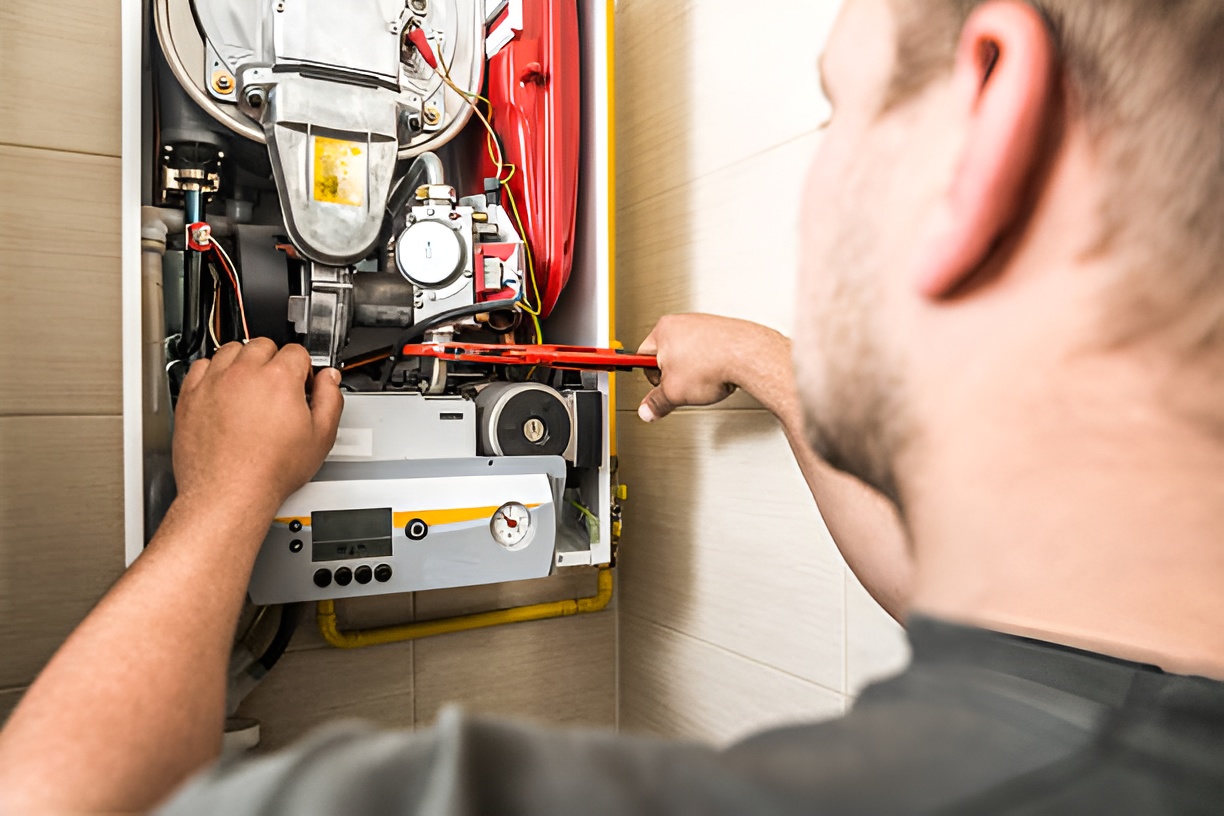
While many furnace issues can be addressed at home, some problems require a licensed technician:
- Gas leaks or strong odors of gas
- Persistent ignition failures
- Blower motor replacements or electrical issues
- Problems with the heat exchanger
Calling a professional ensures your furnace is safe and functioning efficiently, and it prevents small problems from turning into expensive repairs.
Tips to Prevent Furnace Problems in the Future
Once your furnace is working again, regular maintenance can prevent future breakdowns:
- Change air filters every 1–3 months.
- Schedule annual inspections and tune-ups.
- Keep vents and registers clean and unblocked.
- Ensure the area around the furnace is free of dust and debris.
- Test the thermostat regularly and replace batteries as needed.
Preventive care keeps your furnace reliable and can extend its lifespan significantly.
Common Mistakes to Avoid While Troubleshooting
Even experienced homeowners can make mistakes when trying to fix a furnace:
- Ignoring safety precautions and risking electric shock or gas leaks.
- Replacing parts unnecessarily without proper diagnosis.
- Failing to follow the manufacturer’s instructions.
- Overlooking simple issues like tripped breakers or clogged filters.
Being methodical and cautious will save time, money, and potential hazards.
Wrapping It Up
Troubleshooting a furnace that won’t turn on doesn’t have to be stressful. By following the steps above, you can identify common problems, perform simple fixes, and know when it’s time to call a professional. Regular maintenance and awareness of potential issues will keep your furnace running smoothly, keeping your home warm and comfortable all season long.
Remember, safety comes first. Always shut off power and gas when inspecting your furnace, and don’t hesitate to seek professional help if you’re unsure. With a little knowledge and preparation, you can handle most furnace problems confidently and efficiently.
About the Author