
Every homeowner eventually faces questions about the state of their roof. Whether you have noticed a handful of loose shingles after a bad storm, spotted water spots spreading across a ceiling, or simply realized your roof is approaching the end of its expected lifespan, figuring out the right solution can feel overwhelming.
Roofing work spans a broad spectrum, ranging from minor routine maintenance to complete tear-offs and replacements. Choosing the right path requires understanding the signs your home is giving you, assessing the age of your structure, and consulting with qualified experts.
Start with a Detailed Visual Assessment from the Ground
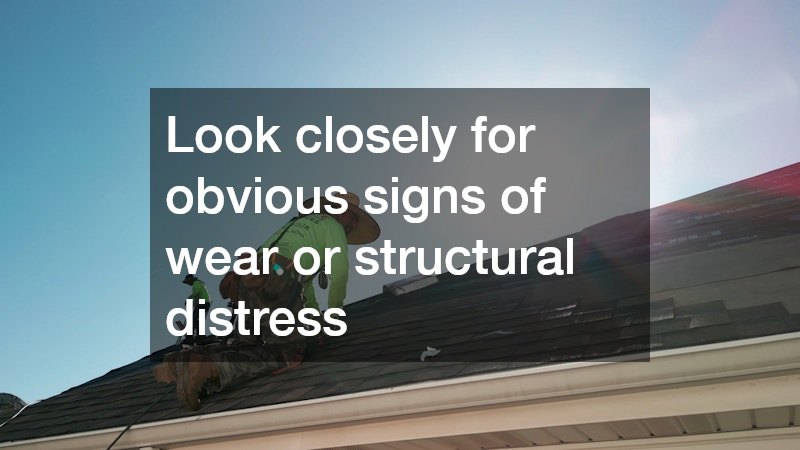
Before calling in a contractor, you can perform a basic inspection yourself without ever stepping foot on a ladder. Grab a pair of binoculars and walk around the perimeter of your home to inspect your rooflines.
Look closely for obvious signs of wear or structural distress:
-
Shingle condition: Look for cracked, curled, cupped, or missing shingles. If you notice bare patches where the protective granules have worn away, your shingles are losing their ability to block ultraviolet light and shed water.
-
Flashing and seals: Pay close attention to the metal flashing installed around chimneys, skylights, plumbing vents, and roof valleys. Damaged, rusted, or loose flashing is one of the leading causes of localized roof leaks.
-
Roofline straightness: Look along the ridge lines and sides of the roof. Any sagging or dipping suggests potential structural issues with the decking underneath.
-
Gutters and downspouts: Check inside your gutters for dark, sand-like granules. Excessive granule loss indicates that your asphalt shingles are deteriorating rapidly.
Differentiating Between Spot Repairs and Full Restorations
One of the most common decisions homeowners face is deciding whether localized repairs are sufficient or if a broader project is necessary. The extent and widespread nature of the damage typically dictate which direction to take.
Spot repairs are usually ideal for isolated damage on a relatively young roof. If a localized windstorm knocked off three or four shingles on a five-year-old roof, replacing those specific shingles and checking the surrounding flashing is a straightforward solution.
However, if damage is scattered across multiple sections of the roof, or if leaks are springing up in several areas simultaneously, isolated fixes become a temporary bandage. Continually paying for patch jobs on an aging system often costs more over time than investing in a comprehensive overhaul.
Consider the Age and Material of Your Existing Structure
The age of your roof plays a decisive role in determining the type of work required. Different roofing materials carry vastly different lifespans:
-
Standard 3-tab asphalt shingles: Generally last 15 to 20 years under normal weather conditions.
-
Architectural/dimensional asphalt shingles: Typically last 25 to 30 years.
-
Wood shakes or composite shingles: Often perform well for 30 to 40 years with proper care.
-
Metal, slate, or concrete tiles: Can easily last 50 years or longer, though they require routine maintenance on seals and flashing.
If your standard asphalt roof is approaching or past its 20-year milestone, almost any issue you encounter will point toward replacement rather than repair. As shingles age, they grow brittle, lose adhesion, and become far more susceptible to wind lift and moisture penetration.
Trace Moisture Clues Inside Your Home
Roof issues rarely stay outside. Water follows the path of least resistance, and indoor warning signs often help narrow down what kind of help your home needs.
Check your upper level and attic space for:
-
Dark water stains or damp spots on ceilings and upper walls.
-
Peeling paint or sagging drywall near roof joints.
-
Musty odors or visible mold growth on attic rafters and insulation.
-
Daylight peeking through the roof boards when looking around the attic with the lights off.
If you spot active moisture in the attic directly below a chimney or vent, your home likely requires targeted flashing remediation. If moisture is widespread across the underside of the roof deck, it could point to a broader failure of the roofing underlayment or inadequate attic ventilation.
Evaluating Energy Efficiency and Ventilation Needs
Sometimes, the primary problem with a roof isn’t an active leak, but rather poor thermal performance and improper airflow. If your heating and cooling bills spike unexpectedly, or if thick ice dams form along your eaves every winter, your roof system may lack balanced ventilation.
Proper airflow requires a balance of intake vents at the soffits and exhaust vents along the ridge line. Without adequate airflow, heat and moisture build up in the attic during summer, baking the shingles from below and driving up air conditioning costs. In winter, trapped heat melts snow on the upper roof, which then refreezes at the colder roof overhangs, creating damaging ice dams. Addressing airflow issues requires specialized ventilation installation rather than simple shingle work.
Schedule a Professional Evaluation
While a personal visual check gives you a solid starting point, nothing replaces an on-site professional assessment. A certified contractor can safely climb onto your roof, inspect hidden structural components, evaluate structural decking integrity, and check subtle details like valley underlayment and pipe boots.
When searching for reliable roof services, always ask for a written, itemized inspection report complete with clear photos of any damaged areas. A reputable professional will explain whether minor maintenance, targeted repairs, or a complete replacement offers the best balance of safety, structural protection, and long-term financial value for your home.
About the Author