A residential heating and cooling system keeps a home comfortable by controlling indoor temperature, moving air, and, in many cases, helping manage humidity. Although homeowners may think of heating and air conditioning as separate functions, both are often part of the same HVAC system.
Understanding how the major components work together can make it easier to recognize problems, maintain the equipment, and know when professional service may be necessary.
What Does HVAC Mean?
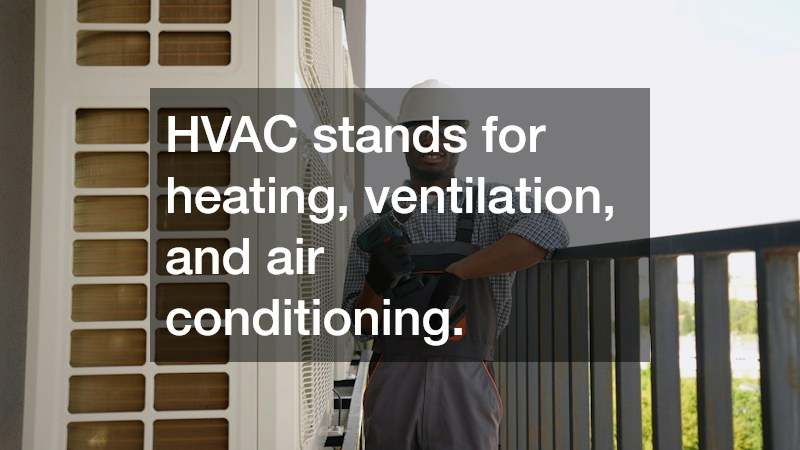
HVAC stands for heating, ventilation, and air conditioning.
The heating portion raises indoor temperatures during cold weather. Air conditioning removes heat from the home during warmer weather.
Ventilation refers to the movement and exchange of air throughout the system.
Most residential systems use a combination of equipment such as a furnace, air conditioner, heat pump, thermostat, ductwork, blower, and air filter.
The exact setup depends on the home, climate, and equipment installed.
The Thermostat Controls the System
The thermostat acts as the control center for the HVAC system.
Homeowners select a desired indoor temperature, and the thermostat monitors the actual room temperature. When the temperature moves above or below the setting, the thermostat signals the heating or cooling equipment to begin operating.
Once the home reaches the selected temperature, the thermostat tells the system to stop.
Programmable and smart thermostats can also adjust temperatures automatically based on schedules, occupancy, or other settings.
How the Heating System Works
Many homes use a furnace for heating.
A furnace creates heat using natural gas, propane, electricity, or another energy source. Once the heat exchanger or heating elements become warm, the blower moves air across them.
The heated air then travels through the ductwork and enters rooms through supply vents.
Return vents pull cooler indoor air back toward the system so it can be heated again.
This cycle continues until the thermostat detects that the home has reached the desired temperature.
How Central Air Conditioning Works
Central air conditioning does not simply produce cold air. Instead, it removes heat from inside the home.
The process relies on refrigerant circulating through the HVAC system.
Warm indoor air passes over the evaporator coil. The refrigerant inside the coil absorbs heat from that air.
The cooled air is then pushed through the ductwork and returned to the rooms.
Meanwhile, the refrigerant carrying the absorbed heat moves to the outdoor unit, where that heat is released into the outside air.
The Outdoor Condenser Releases Heat
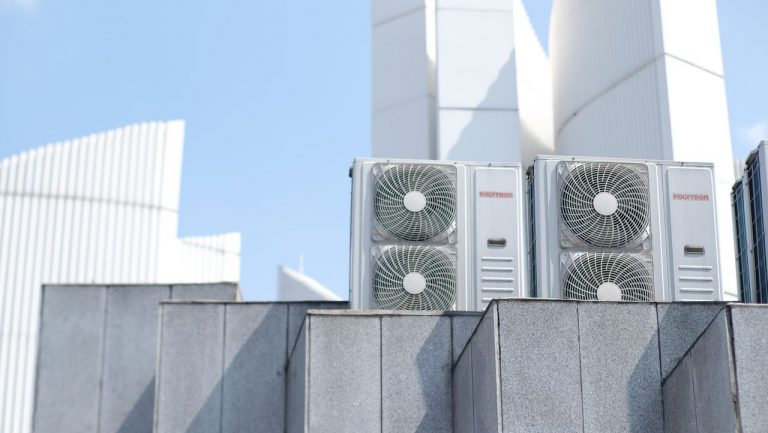
The outdoor condenser is a major part of a central air-conditioning system.
After refrigerant absorbs heat indoors, it travels to the condenser coil outside.
A fan moves outdoor air across the coil, allowing the heat to transfer out of the refrigerant.
The refrigerant then continues through the system and eventually returns to the indoor coil so the cooling cycle can repeat.
This explains why the outdoor unit blows warm air while the air conditioner is running.
The Compressor Moves Refrigerant Through the System
The compressor is located in the outdoor unit and plays a critical role in the refrigeration cycle.
It compresses refrigerant and helps move it between the indoor and outdoor components.
By changing the refrigerant’s pressure, the compressor helps make heat transfer possible.
Because the compressor is such an important component, problems with it can significantly affect HVAC performance.
Unusual noises, poor cooling, or an outdoor unit that will not start may indicate a problem requiring professional diagnosis.
Heat Pumps Can Heat and Cool
Some homes use a heat pump instead of a traditional furnace and central air conditioner combination.
A heat pump moves heat rather than generating it directly.
During summer, it works similarly to a central air conditioner by transferring heat from inside the home to the outdoors.
During colder weather, the process reverses. The system extracts heat from the outdoor air and moves it inside.
Certain systems may also use supplemental heat during very cold conditions.
Heat pumps can therefore provide both heating and cooling from the same primary equipment.
Ductwork Distributes Conditioned Air
In a ducted HVAC system, air travels through a network of ducts hidden in walls, ceilings, floors, or attic spaces.
Supply ducts carry heated or cooled air into different rooms.
Return ducts bring indoor air back to the equipment so it can be conditioned again.
Ductwork needs to be properly sized, sealed, and insulated where appropriate.
Leaks or disconnected ducts can cause conditioned air to escape before reaching the intended rooms, potentially reducing comfort and efficiency.
The Blower Keeps Air Moving
The blower fan is responsible for moving air through the HVAC system and ductwork.
During heating, it pushes air across the furnace’s heated components. During cooling, it moves air across the evaporator coil.
The blower then distributes the conditioned air throughout the home.
A failing blower can result in weak airflow even if the heating or cooling equipment itself is operating.
Homeowners may notice certain rooms becoming uncomfortable or little air coming from the vents.
Air Filters Protect the System
Air filters are another important component.
As air returns to the HVAC equipment, the filter captures dust, pet hair, pollen, and other airborne particles.
This helps reduce the amount of debris reaching internal components.
A dirty filter can restrict airflow, forcing the system to work harder.
Homeowners should check filters regularly and replace or clean them according to the equipment and filter manufacturer’s recommendations.
Keeping the filter clean is one of the simplest ways to support normal system operation.
HVAC Systems Can Help Control Humidity
Air conditioners also remove some moisture from indoor air.
As warm air passes over the cold evaporator coil, moisture can condense on the surface. That water is collected and directed away through a condensate drain.
This process can make indoor conditions feel more comfortable during humid weather.
If the condensate drain becomes clogged, water may collect around the system or trigger a safety switch that shuts the equipment down.
Very humid or dry homes may require additional equipment such as a dehumidifier or humidifier.
Ventilation Supports Indoor Airflow
Ventilation is another part of the HVAC process.
Some systems mainly recirculate indoor air, while others incorporate equipment that introduces controlled amounts of outdoor air.
Ventilation helps manage indoor air quality and can reduce the accumulation of certain pollutants.
The exact ventilation strategy depends on the design of the home and its HVAC equipment.
Homes that are tightly sealed for energy efficiency may require more deliberate ventilation planning.
The System Works as a Team
Heating and cooling equipment relies on several components working together.
The thermostat sends commands, the furnace or heat pump changes air temperature, the blower moves air, ductwork distributes it, and filters help protect the equipment.
During cooling, the compressor, refrigerant, evaporator coil, and condenser work together to transfer heat outside.
A problem in one component can affect the performance of the entire system.
This is why poor airflow, unusual noises, temperature differences, or frequent cycling can have several possible causes.
Regular Maintenance Helps Keep It Working
Residential HVAC equipment benefits from routine maintenance.
Homeowners can help by replacing filters, keeping vents open, clearing debris around outdoor units, and watching for unusual performance.
Professional maintenance may include cleaning components, inspecting electrical connections, evaluating airflow, checking system operation, and identifying worn parts.
Addressing small problems early can help reduce the likelihood of an unexpected breakdown.
Understanding Your HVAC System Makes Maintenance Easier
A residential HVAC system works by generating or moving heat and circulating conditioned air throughout the home.
While the equipment can seem complicated, the basic process is straightforward: the thermostat determines when heating or cooling is needed, the equipment conditions the air, and the blower and ductwork distribute it.
Understanding these basic components can help homeowners take better care of their systems and recognize when something is not operating normally. With regular maintenance and timely professional service, an HVAC system can provide dependable comfort through every season.
About the Author