A clogged drain may begin with a small change in how quickly water flows, but ignoring the problem can eventually lead to backups and more serious plumbing concerns. Slow drainage, unpleasant odors, gurgling sounds, recurring toilet clogs, and water pooling around drains are some of the warning signs homeowners may notice.
Recognizing the signs of a clogged drain early can help homeowners address drainage problems before they become more disruptive or cause water damage. While minor blockages may sometimes respond to basic maintenance, persistent or recurring problems may require professional drain cleaning services to identify and remove the underlying obstruction.
Water Is Draining Slowly
One of the most common signs of a clogged drain is water taking longer than usual to disappear.
You may first notice this in a bathroom sink, shower, bathtub, or kitchen sink. Instead of flowing freely into the drain, water may begin pooling around the opening before gradually disappearing.
Slow drainage often means that debris has started accumulating inside the pipe. Hair, soap residue, grease, food particles, and other materials can gradually narrow the passageway.
A drain that continues getting slower should not be ignored. Scheduling drain cleaning services before the pipe becomes completely blocked can help restore proper water flow and reduce the likelihood of a full backup.
Water Is Backing Up
A backup is a stronger indication that a drain has become significantly clogged.
Water may rise into a sink, bathtub, shower, or floor drain instead of moving through the plumbing system as intended. In some cases, using one plumbing fixture can cause water to appear somewhere else.
For example, running a washing machine may cause water to rise in a nearby drain. Flushing a toilet could also affect a bathtub or shower if the blockage is located farther down the plumbing system.
Recurring backups should be addressed promptly because wastewater can create an unsanitary environment and potentially damage floors, walls, or nearby belongings.
You Hear Gurgling Sounds
Your plumbing system should generally operate without making unusual noises. If you hear gurgling or bubbling after using a sink, shower, or toilet, a partial blockage may be affecting airflow inside the pipes.
As water attempts to travel around an obstruction, trapped air can create unusual sounds.
The occasional plumbing noise may not necessarily indicate a serious issue, but repeated gurgling should receive attention, particularly if it occurs along with slow drainage or backups.
Professional drain cleaning services can help locate and remove blockages that are interfering with normal drainage.
There Are Unpleasant Odors Coming From the Drain
A foul smell coming from your sink or another drain can indicate that organic material has become trapped inside the plumbing.
Kitchen drains are especially susceptible to this problem because grease, food scraps, and other debris may collect inside the pipe. Bathroom drains can also accumulate hair, soap residue, and other materials.
As trapped debris begins breaking down, unpleasant odors may travel back through the drain opening.
Cleaning the visible portion of the drain may temporarily reduce the smell, but persistent odors can indicate that the source is farther inside the plumbing system.
Multiple Drains Are Having Problems
A clog affecting one fixture is often located relatively close to that drain. When several fixtures begin experiencing problems at the same time, however, the blockage may be deeper within the plumbing system.
You might notice slow sinks throughout the home, toilets that are difficult to flush, or water backing up into tubs and showers.
Multiple drainage problems can sometimes indicate a blockage in a larger drain or sewer line. These situations typically require more than a simple household drain cleaner.
Calling for professional drain cleaning services can help determine where the blockage is located and what method is appropriate for clearing it.
The Toilet Is Frequently Clogging
An occasional toilet clog can happen in almost any home. If the toilet regularly becomes clogged despite normal use, there may be an underlying drainage problem.
Persistent toilet clogs can result from an obstruction inside the toilet itself or farther into the drain line.
Repeatedly using a plunger may temporarily restore drainage without completely removing the material causing the problem. If the same toilet continues clogging, a professional inspection may be worthwhile.
Fruit Flies or Drain Flies Are Appearing
Small flies around sinks and drains can sometimes indicate buildup inside the plumbing.
Organic material caught along the interior walls of a drain can create an environment where certain insects may thrive. You may initially notice only a few flies, but the population can grow if the underlying conditions remain.
Keeping sinks and drain openings clean can help, but insects that repeatedly return may point to debris farther down the pipe.
Removing that buildup through drain cleaning services can address the conditions contributing to the problem rather than simply dealing with the insects themselves.
Water Is Pooling Around Floor Drains
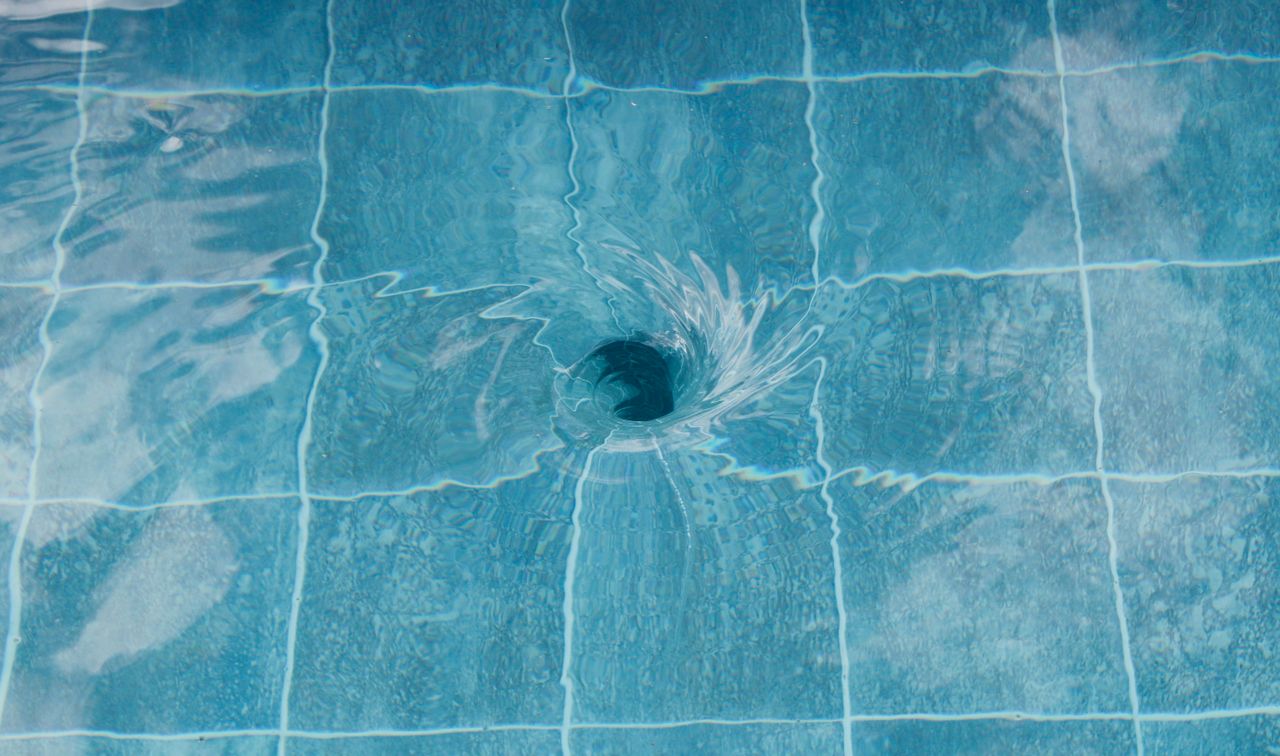
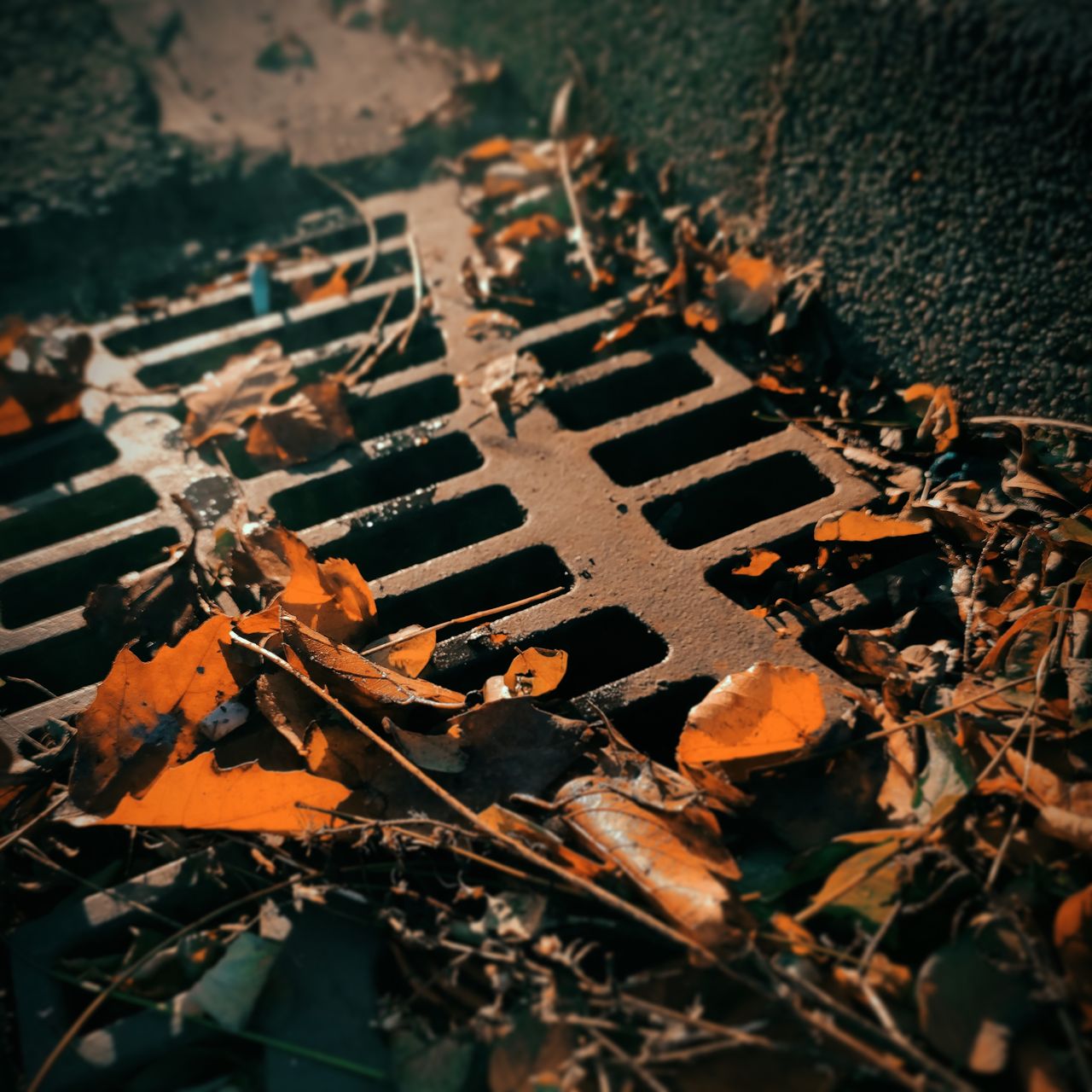
Floor drains are commonly found in basements, garages, laundry rooms, and utility areas. They provide a way for excess water to leave the property.
When these drains become clogged, water may begin collecting around the drain opening or draining very slowly.
Because floor drains can be connected to larger portions of the plumbing system, problems involving them should not always be treated as isolated clogs.
If water repeatedly appears around a floor drain, having the plumbing system evaluated can help determine whether there is a more significant blockage.
You Keep Dealing With the Same Clog
A drain that becomes clogged repeatedly is another sign that the underlying obstruction has not been fully removed.
DIY methods may create a temporary opening that allows water to pass through while leaving significant buildup attached to the inside of the pipe. Eventually, additional debris accumulates and the clog returns.
Professional drain cleaning services can provide a more thorough approach by addressing accumulated material deeper inside the drainage system.
Do Not Ignore the Warning Signs of a Clogged Drain
A drain blockage can become more difficult to manage when warning signs are repeatedly ignored. Slow drainage, water backups, gurgling sounds, unpleasant odors, multiple affected fixtures, frequent toilet clogs, and recurring blockages can all indicate that the plumbing system needs attention.
Addressing these problems early can help reduce the risk of larger backups and potential water damage. If basic maintenance does not resolve the issue or the same problem keeps returning, professional drain cleaning services can help identify the source of the blockage and restore proper drainage.
About the Author