
If you’ve ever wondered why your energy bills seem to climb year after year, the answer might be closer to home than you think. One of the most effective ways to cut heating and cooling costs is by improving your ceiling insulation. At Pro-Fit Insulation, we often see homeowners underestimate how much heat they lose through the roof—and how much they could save simply by upgrading their insulation.
Why Ceiling Insulation Matters
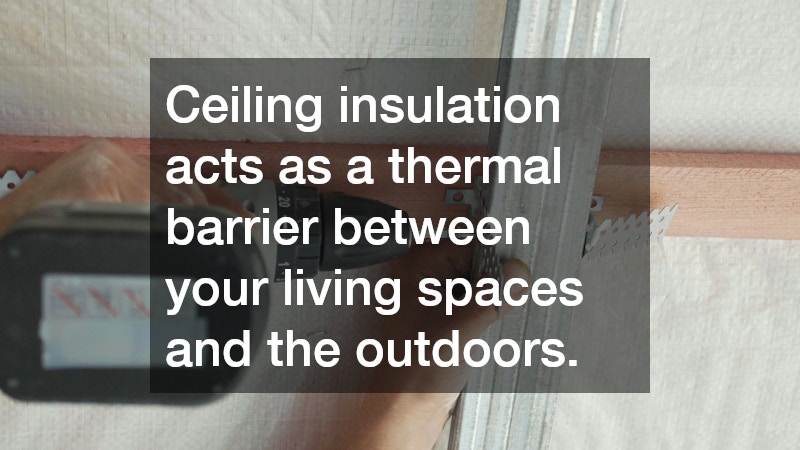
Ceiling insulation acts as a thermal barrier between your living spaces and the outdoors. In winter, it helps retain warm air inside your home. In summer, it slows down the transfer of heat from the hot roof into cooler living areas. Without effective insulation, your heating and cooling systems have to work much harder to maintain a comfortable temperature—and that translates directly into higher energy bills.
According to government and energy authority guidelines, properly insulating your home—especially the ceiling and roof space—can reduce heating and cooling costs by an average of around 15% or more.
How Insulation Reduces Energy Use
The science behind ceiling insulation is simple: it slows down heat transfer. Heat naturally flows from warmer areas to cooler ones, so in winter the warmth inside your home tries to escape through the roof, and in summer outside heat pushes inward. Insulation resists this flow, keeping temperatures more stable inside your home.
When your indoor temperature remains stable, your heating and cooling systems don’t have to run as often or as hard. That means they use less energy—and you pay less on your utility bills. In many homes, this can lead to annual savings of 10–30% or more on heating and cooling costs, depending on insulation quality and local climate.
Real-World Savings You Can Feel
Imagine your home’s heating and cooling system runs constantly during a cold winter or a hot summer. Every minute it’s on, it consumes electricity or gas. By installing effective ceiling insulation, you reduce the workload on your system. This not only lowers your energy consumption but also reduces wear and tear on your equipment, potentially extending its lifespan.
Homeowners who combine insulation upgrades with proper air sealing often see the biggest savings, because less conditioned air leaks out and unconditioned air doesn’t creep in. Some studies and homeowner reports suggest total energy bill reductions of up to 40% in ideal cases—though actual savings depend on your home’s size, climate and current insulation levels.
Beyond Lower Bills: Other Financial Benefits
While saving money on energy bills is a major advantage of good ceiling insulation, it’s not the only one:
- Improved comfort: A well-insulated home feels more comfortable year-round, with fewer cold spots in winter and less heat gain in summer.
- Increased home value: Energy-efficient homes are more attractive to buyers and can achieve higher resale values.
- Reduced maintenance costs: Less strain on your heating and cooling systems means fewer repairs and potentially a longer service life.
Is Upgrading Ceiling Insulation Worth It?
The upfront cost of installing or upgrading ceiling insulation is typically recovered over time through lower energy bills. Many homeowners find that insulation pays for itself in a few years, especially when energy prices are high. The exact payback period depends on your home’s current insulation level, local energy costs and the quality of the insulation installed.
If you’re unsure whether your home’s insulation is adequate, a professional energy assessment can help identify areas where heat loss is occurring and how much you could save with improvements.
Conclusion
Good ceiling insulation is one of the most cost-effective ways to reduce your energy bills and improve your home’s comfort. By slowing heat transfer and reducing system workload, insulation helps you keep more of your conditioned air inside—and more of your money in your pocket.
At Pro-Fit Insulation, we’re here to help you assess your insulation needs and recommend the best solutions for long-term savings and comfort. Contact us to learn more about how we can help you get the most from your insulation investment.
About the Author