
Your roof is one of the most important protective systems on your home, yet it is also easy to overlook until something goes wrong. Regular maintenance can help homeowners catch small problems early, reduce unnecessary wear, and potentially extend the useful life of the roofing system.
Simple habits such as keeping gutters clear, watching for missing shingles, and scheduling inspections after severe weather can make a meaningful difference. Staying proactive may also reduce the chance that minor damage turns into a more expensive roof repair.
Inspect the Roof From the Ground
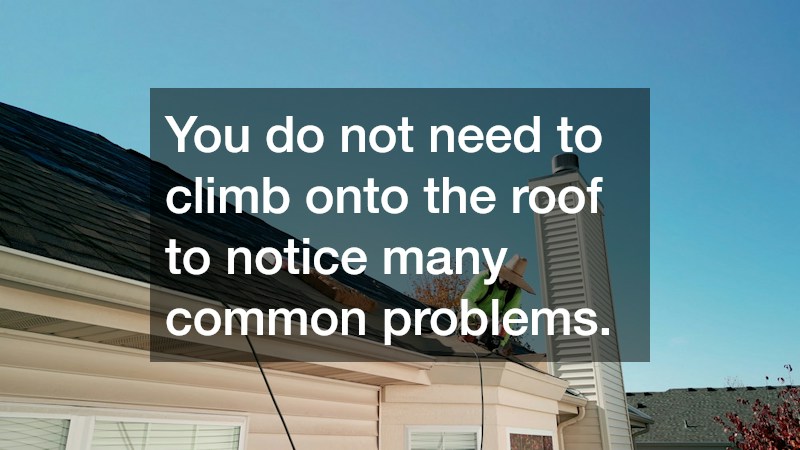
You do not need to climb onto the roof to notice many common problems.
Stand at a safe distance and look for missing, lifted, cracked, or curling shingles. You may also notice uneven areas, damaged flashing, debris buildup, or sections that appear to be sagging.
Binoculars can make a ground-level inspection easier.
Checking periodically can help homeowners notice changes over time and arrange roof repair before a small issue becomes more serious.
Keep Gutters and Downspouts Clear
Gutters are responsible for directing rainwater away from the roof and foundation.
When they become clogged with leaves, twigs, roof granules, or other debris, water may back up along the roof edge.
Overflowing gutters can also contribute to fascia damage and water pooling around the foundation.
Clean gutters regularly and confirm that downspouts are moving water away from the home. If sections are sagging or leaking, address those problems rather than allowing water to repeatedly collect.
Watch for Missing or Damaged Shingles
Shingles can become damaged by wind, hail, falling branches, heat, and ordinary aging.
A few missing shingles may not seem like a major problem, but exposed areas can allow water to reach underlayment and decking.
Prompt roof repair may be much simpler when the damage is limited to a small section.
After strong storms, visually inspect the roof from the ground and look around the yard for pieces of roofing material.
Trim Overhanging Tree Branches
Tree branches that hang directly over a roof can create several problems.
Branches may scrape against shingles during windy weather, while falling limbs can cause more significant impact damage.
Trees can also drop leaves, needles, and other debris onto the roof and into gutters.
Keeping branches reasonably trimmed can reduce these risks.
However, large limbs close to the roof should generally be handled by a qualified tree professional rather than cut from a ladder or rooftop.
Remove Debris From the Roof
Leaves, branches, and other debris can collect in valleys and other low areas.
If debris remains in place, it can hold moisture against the roofing materials and interfere with normal drainage.
Homeowners should avoid walking on the roof simply to clear debris, especially if the surface is steep, wet, or damaged.
A roofing professional can safely remove buildup when necessary and check for damage underneath.
Pay Attention to Flashing
Flashing is installed around vulnerable roof areas such as chimneys, skylights, vents, valleys, and walls.
Its purpose is to direct water away from seams and transitions.
Loose, rusted, cracked, or improperly sealed flashing can become a common source of leaks.
Because flashing problems are not always obvious from the ground, professional inspections can be useful.
A relatively small roof repair involving flashing may prevent water from spreading into surrounding materials.
Check the Attic for Warning Signs
Some roofing problems become visible inside the home before they are obvious outdoors.
Periodically inspect the attic for water stains, damp insulation, musty odors, visible mold, or daylight entering through unexpected gaps.
Pay particular attention after heavy rain.
A small stain does not necessarily mean the roof needs replacement, but it does deserve investigation.
Identifying moisture early can help limit damage to insulation, decking, framing, and ceilings.
Maintain Proper Attic Ventilation
Roof performance is closely connected to attic conditions.
Proper ventilation helps manage heat and moisture underneath the roofing system.
Excessive moisture can contribute to condensation and deterioration of wood components, while excessive heat may place additional stress on roofing materials.
Make sure attic vents are not blocked by insulation or stored belongings.
If the attic feels unusually hot or develops persistent moisture problems, ask a roofing or ventilation professional to evaluate the system.
Do Not Ignore Small Leaks
A small leak can become a much larger problem if it continues through repeated storms.
Water can travel along rafters, decking, insulation, and drywall before becoming visible inside a room.
That means the location of a ceiling stain may not be directly beneath the source.
Instead of simply painting over water marks, have the cause identified.
Early roof repair can often limit the amount of material that needs to be removed or replaced.
Look for Granules in the Gutters
Asphalt shingles are covered with protective granules.
Some granule loss is normal, particularly after installation or as the roof ages. However, large amounts accumulating in gutters may indicate that shingles are experiencing significant wear.
Homeowners may also notice bald areas where the underlying shingle surface is more visible.
If granule loss appears widespread, it may be worth having the roof inspected to determine its overall condition.
Avoid Pressure Washing the Roof
A pressure washer may seem like a convenient way to remove stains, moss, or debris, but high-pressure water can damage roofing materials.
It may loosen granules, force water underneath shingles, or damage flashing and seals.
Roof cleaning should be approached carefully and according to the recommendations for the specific roofing material.
If staining or biological growth is significant, ask a professional about appropriate cleaning methods rather than using aggressive equipment.
Address Moss and Algae Carefully
Moss and algae can appear on roofs, particularly in damp or shaded areas.
Moss can trap moisture and may lift roofing materials as it grows.
However, improper removal can create additional damage.
Scraping aggressively or using harsh products may affect shingles.
A roofing professional can determine the type of growth present and recommend a suitable treatment.
Keeping nearby branches trimmed may also increase sunlight and airflow in shaded areas.
Schedule Inspections After Major Storms
Severe weather can damage roofing even when there is no immediate leak.
High winds may loosen shingles or flashing. Hail can damage shingle surfaces. Falling branches may puncture or crack roofing materials.
After a significant storm, inspect the property from the ground.
If you notice missing materials, debris impact, or other visible damage, schedule an inspection.
Quick roof repair after storm damage can help prevent water intrusion during the next rainfall.
Keep Records of Roofing Work
Maintain records of inspections, repairs, warranties, and the approximate installation date of the roof.
These documents can make it easier to track recurring problems and determine how the roofing system has been maintained over time.
Photos can also be useful for comparing roof condition from one year to the next.
If you eventually sell the home, maintenance records may provide helpful information to prospective buyers.
Know When to Call a Professional
Homeowners can handle some basic monitoring and maintenance, but roof access carries serious fall risks.
If an issue requires climbing onto a steep or damaged roof, it is generally safer to contact a professional.
Roofers have the equipment and experience needed to inspect hard-to-reach areas and determine whether a problem is cosmetic, repairable, or a sign of broader deterioration.
Preventive Maintenance Can Save Trouble Later
Roof maintenance is largely about noticing problems before they spread.
Keep gutters clear, monitor shingles and flashing, check the attic, control debris, and pay attention after severe weather.
When damage appears, do not automatically assume the entire roof needs replacement. Many isolated problems can be addressed with professional roof repair when caught early.
A consistent maintenance routine can help homeowners protect their roofing system, reduce unexpected leaks, and make more informed decisions about repairs as the roof ages.
About the Author