

Every homeowner eventually wonders whether a renovation, addition, or system upgrade is actually worth the money. Some projects quietly boost your home’s resale value and everyday comfort, while others barely move the needle or even complicate a future sale. Understanding which structures and systems carry real value, and why, can help you prioritize your budget and avoid costly guesswork. This article breaks down the major upgrades worth considering, from outdoor living spaces to essential mechanical systems, so you can make smarter decisions for your property.
Outdoor Living Spaces and Deck Additions
Outdoor living areas consistently rank among the highest return-on-investment projects for homeowners, because buyers increasingly view usable outdoor space as an extension of the home rather than a bonus feature. A well-built deck expands entertaining space, adds visual appeal, and can make a smaller home feel significantly larger. Material choice matters enormously here, since the long-term durability and maintenance demands vary widely between wood and composite options.
Working with an experienced composite deck builder often pays off in the long run, since composite materials resist rot, fading, and insect damage far better than traditional lumber. While the upfront cost is higher than pressure-treated wood, the reduced maintenance and longer lifespan tend to appeal strongly to future buyers evaluating the home. Appraisers and real estate agents alike note that a clean, modern deck can shift a buyer’s first impression of a property almost immediately.
- Composite decking typically lasts 25 to 30 years with minimal upkeep
- Buyers often view low-maintenance materials as a selling point during walkthroughs
- A deck sized to match the home’s footprint tends to add more perceived value than an oversized one
- Railing style and lighting can meaningfully affect curb appeal at night
Detached Garages and Clear Span Structures
Adding a detached garage, workshop, or storage building can meaningfully increase both the functional square footage and the market appeal of a property, especially in areas where buyers expect extra space for vehicles, hobbies, or equipment. The type of structure you choose affects not just cost but also how useful the space will be for decades to come. Many homeowners are now turning to clear span buildings because they eliminate interior support columns, creating a fully open floor plan that can be configured for anything from a home gym to a boat storage facility.
Because clear span buildings rely on engineered trusses rather than internal posts, they tend to be faster to construct and easier to insulate properly, which matters if the space will be heated or cooled. This flexibility is a major selling point for future buyers who may have entirely different plans for the structure than the original owner. Before building, it is worth checking local zoning rules, since some municipalities cap the size or placement of detached structures relative to the main house.
- Open interiors allow for easy reconfiguration as needs change
- Steel-framed clear span designs often require less long-term maintenance than wood-framed alternatives
- Permits are almost always required for structures over a certain square footage
- Proper foundation work is essential to prevent shifting or moisture issues
Plumbing Upgrades That Protect Long-Term Function

Plumbing systems rarely get the spotlight in renovation conversations, but they quietly influence a home’s inspection results, insurance costs, and overall livability. Hot water availability is one of those features buyers take for granted until it fails, which is why staying ahead of wear and tear matters. Scheduling water heater repair at the first sign of inconsistent temperatures, strange noises, or rusty water can prevent a minor issue from becoming a full system failure.
A neglected water heater doesn’t just risk sudden breakdowns, it can also lead to water damage that affects flooring, drywall, and even structural framing nearby. Home inspectors routinely flag aging units during pre-sale inspections, which can become a negotiating point that costs sellers more than a proactive repair would have. Keeping maintenance records on hand also reassures buyers that the system has been properly cared for over the years.
- Sediment buildup is one of the most common causes of reduced efficiency
- Unusual popping or rumbling sounds often signal mineral deposits inside the tank
- Most tank-style water heaters last 8 to 12 years with regular maintenance
- A sudden spike in utility bills can indicate declining system performance
Gas Service Expansions for Modern Appliances
As more homeowners shift toward gas-powered ranges, fireplaces, and outdoor kitchens, the demand for reliable gas infrastructure has grown right alongside it. Extending service to a new area of the home or yard is not a simple DIY project, since it involves precise measurements, local code compliance, and safety inspections. Professional gas line installation ensures that pressure levels, venting, and shutoff access all meet current safety standards, which matters enormously for insurance and resale purposes.
Homes with properly documented gas infrastructure tend to appraise more favorably, particularly when the system supports desirable features like a gas fireplace or an outdoor grill hookup. Buyers researching a property often ask directly whether gas lines were installed by a licensed professional, since improperly done work can be a major red flag during inspection. Taking the time to get this done correctly the first time avoids costly rework and keeps the household safe.
- Permits and inspections are typically required for any new gas line run
- Proper line sizing prevents pressure drops when multiple appliances run simultaneously
- Shutoff valves should be easily accessible in case of emergency
- Documentation of professional installation can simplify future home sales
Energy Efficient Windows and Insulation Updates
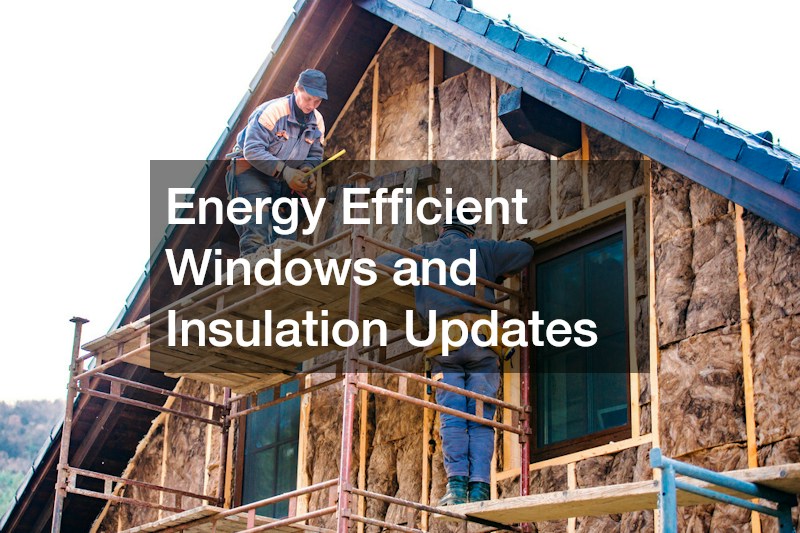
Upgrading windows and insulation doesn’t generate the same visual excitement as a new deck or garage, but it has a measurable effect on a home’s ongoing operating costs, which buyers increasingly factor into their offers. Double or triple pane windows reduce drafts and noise while improving the overall comfort of a living space. Many also carry Low-E coatings that block UV rays, protecting flooring and furniture from sun damage while further cutting energy loss. Insulation upgrades in attics and crawl spaces often deliver one of the best returns relative to their cost, since they lower heating and cooling bills year-round. According to Remodeling Magazine’s Cost vs. Value reports, attic insulation additions regularly rank among the highest-ROI projects, frequently recouping more than 100% of their cost at resale. Spray foam, blown-in cellulose, and batt insulation each offer different price points and R-values, so the right choice depends on the climate and the areas being treated. Beyond the materials themselves, buyers are paying closer attention to documentation. A recent energy audit, utility bill history, or an Energy Star certification can make these upgrades more persuasive during a sale, since they translate abstract comfort improvements into concrete dollar savings. In regions with extreme summers or winters, these updates can be just as influential on a buyer’s decision as kitchen or bathroom renovations.
Replacing single-pane windows with double- or triple-pane, low-E coated versions can reduce heating and cooling costs by 10 to 25 percent annually, depending on climate and home size. Many energy efficient upgrades also qualify for rebates or tax incentives, such as the federal Energy Efficient Home Improvement Credit, which can offset a portion of the upfront investment. Local utility companies often offer additional rebates for insulation upgrades or ENERGY STAR-certified windows, so it’s worth checking available programs before starting a project. Insulation updates matter just as much as windows, particularly in attics, crawl spaces, and exterior walls where heat loss is most common. Upgrading from an R-30 to an R-49 attic insulation rating, for example, is a relatively affordable project that can noticeably improve comfort and lower utility bills. Spray foam and blown-in cellulose are popular choices because they seal gaps that traditional batt insulation often misses. Homebuyers touring a property now frequently ask about insulation levels and window age, treating them as indicators of how well the home has been maintained overall. A drafty room or foggy double-pane window can signal deferred maintenance, even if the rest of the home looks updated. Sellers who can point to recent insulation work or an energy audit report often find it reassures buyers who are wary of hidden costs. A home that performs efficiently tends to stand out in listings, especially in regions with extreme summer or winter temperatures. In markets like the Southwest or Northeast, where utility bills can swing dramatically by season, energy efficiency ratings are increasingly treated as a selling point on par with square footage or lot size.
- Attic insulation is one of the most cost-effective energy upgrades available, often recouping its cost through lower heating and cooling bills within a few years
- Upgrading from R-19 to R-49 insulation can cut energy loss significantly in colder climates
- Window upgrades can reduce noise transfer by a significant margin, especially double- or triple-pane models with gas fills
- Low-E coatings on new windows also block UV rays, protecting flooring and furniture from fading
- Energy audits help identify where a home is losing the most heat or cooling, often pinpointing leaks around doors, ducts, and attic hatches
- A professional audit typically costs between $200 and $400 but can guide which upgrades deliver the best return
- Some utility companies offer rebates for verified efficiency improvements, sometimes covering a portion of insulation or window replacement costs
- Federal tax credits may also apply to qualifying energy-efficient upgrades, making it worth checking current incentive programs before starting a project
Electrical Panel and Wiring Modernization
Older homes often carry electrical systems that were never designed for today’s appliance loads, smart home devices, or electric vehicle chargers. An outdated panel can limit what upgrades are even possible elsewhere in the house, making this one of the more foundational investments a homeowner can make. Replacing a 60 or 100 amp panel with a 200 amp service gives a home the flexibility to support modern technology without constant breaker trips.
Insurance companies sometimes charge higher premiums or decline coverage altogether for homes with outdated wiring types, which makes this upgrade relevant beyond simple convenience. Buyers and their inspectors pay close attention to panel age and labeling, since it signals whether the home has kept pace with current safety standards. Addressing this system before listing a home can prevent last-minute negotiations over an issue that is expensive to fix under time pressure.
- Federal Pacific and Zinsco panels are frequently flagged during inspections as safety concerns
- A 200 amp panel supports most modern appliance and EV charging needs
- Updated wiring reduces fire risk associated with aging insulation materials
- Licensed electricians can identify capacity issues before they cause outages
Whether you’re planning a single upgrade or mapping out a multi-year renovation strategy, the systems and structures you choose to invest in should balance immediate livability with long-term resale appeal. Start by identifying which areas of your home feel outdated or undersized, then prioritize projects that address both function and future buyer expectations. A little research now, paired with qualified professionals for the technical work, will help ensure your investment pays off when it matters most.
About the Author