

Older homes often have character that newer properties struggle to replicate. Original woodwork, unique floor plans, mature landscaping, historic details, and solid construction can make an older house especially appealing. At the same time, years of repairs, outdated building systems, changing codes, and normal wear can make renovations more complicated than they initially appear.
The most successful renovation projects usually begin by addressing function, safety, structural integrity, and hidden problems before focusing heavily on cosmetic upgrades. Installing beautiful flooring or new cabinetry may be exciting, but those investments can be put at risk if the home has unresolved leaks, aging mechanical equipment, damaged materials, or structural concerns.
Prioritizing the right projects can help homeowners make better use of their renovation budget while reducing the likelihood that completed work will need to be removed or repaired later. Whether you are modernizing a decades-old property or carefully updating a historic home, the following areas deserve consideration early in the process.
Start With the Most Important High-Use Spaces

Bathrooms are among the most frequently used rooms in any home, which makes them a practical place to begin evaluating renovation needs. Older bathrooms may have worn finishes, limited storage, outdated plumbing fixtures, poor ventilation, or layouts that no longer fit the household’s routines. Working with a bathroom remodeling contractor can help homeowners determine which improvements will provide the greatest functional benefit.
Start by examining how the room is currently used. A cramped vanity, undersized shower, poorly positioned toilet, or lack of storage may create daily frustration. In some cases, changing the layout can significantly improve usability without requiring a major increase in square footage.
Older bathrooms may also conceal issues behind walls or beneath flooring. Deteriorated pipes, inadequate waterproofing, damaged subflooring, and poor ventilation should be addressed before new finishes are installed. Renovating these underlying components at the same time as the visible surfaces can create a more durable result.
Inspect the Home’s Exterior Protection Before Interior Work Begins
Before investing heavily in interior renovations, make sure the building envelope is protecting the home properly. The roofing system is particularly important because even a relatively small leak can damage insulation, ceilings, framing, drywall, and finished surfaces.
Inspect the roof for missing or damaged materials, deteriorated flashing, sagging areas, clogged drainage components, and signs of previous leaks. Older homes may have undergone several roof repairs or replacements over the years, so it is helpful to understand the current roof’s age and condition.
Gutters and downspouts should also direct water away from the foundation. Water that repeatedly collects near exterior walls can eventually contribute to basement moisture or foundation problems. Addressing these exterior issues first helps ensure that interior renovation work is protected from preventable water intrusion.
Modernize the Kitchen Without Losing the Home’s Character

The kitchen is often one of the first areas homeowners want to update, especially when working with a property that still has an outdated layout or decades-old finishes. A thoughtful kitchen remodel can improve storage, lighting, appliance placement, and workflow while still preserving features that give the home its personality.
Before removing original cabinetry, trim, flooring, or architectural details, consider whether some elements can be restored or incorporated into the new design. Older homes often contain craftsmanship that would be expensive to reproduce today. Keeping selected details can help a renovated kitchen feel connected to the rest of the property rather than completely detached from its architectural style.
Function should remain a priority. Consider how people move between the refrigerator, sink, cooking areas, pantry, and dining spaces. Better lighting, additional outlets, improved storage, and durable surfaces can modernize the kitchen without eliminating the character that made the house appealing in the first place.
Address Aging Fixtures and Layout Problems Early
Older bathrooms frequently accumulate piecemeal updates over several decades. One fixture may have been replaced recently while another is original, and previous renovations may have created awkward layouts. Experienced bathroom contractors can help identify which elements are worth keeping and which should be replaced as part of a larger renovation.
Pay particular attention to plumbing fixtures that show signs of corrosion, leaking, low water pressure, or repeated repair needs. Replacing aging components while walls or floors are already open may be more practical than waiting for a future failure.
Layout changes should also be carefully planned. Moving plumbing fixtures can increase renovation complexity, but it may be worthwhile if the existing arrangement significantly limits usability. Homeowners should balance the benefits of a new layout against the additional construction required to reroute pipes, drains, electrical wiring, or ventilation.
Repair Outdated Climate Systems Before They Become Unreliable
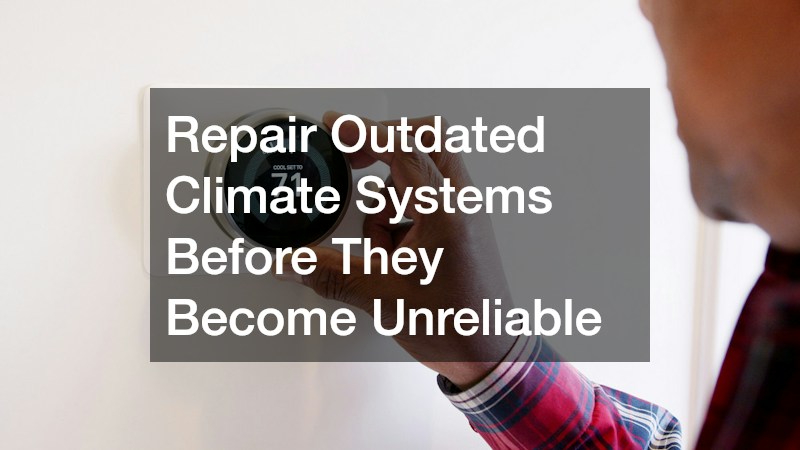
Heating and cooling equipment can become less reliable as it ages, and older homes may have systems that were installed long before later renovations or additions changed the property’s heating and cooling needs. Scheduling local hvac repair when equipment begins showing signs of trouble can help identify problems before a complete failure occurs.
Warning signs may include unusual noises, inconsistent temperatures, frequent cycling, rising utility costs, or rooms that remain noticeably warmer or colder than others. Some issues may be related to the equipment itself, while others can result from ductwork, insulation, airflow, or thermostat problems.
Renovation provides a good opportunity to examine these systems because walls, ceilings, or utility spaces may already be accessible. Addressing mechanical problems while other work is underway can sometimes prevent the need to disturb newly finished surfaces later.
Resolve Moisture Problems Before Starting Cosmetic Upgrades
Moisture should never be covered up simply because a renovation schedule is moving forward. Stains, peeling paint, swollen materials, musty odors, and soft drywall can all indicate that water is entering or collecting somewhere it should not. Professional water damage restoration may be necessary when moisture has significantly affected building materials.
The source of the water should always be identified before damaged areas are rebuilt. Possible causes include roof leaks, plumbing failures, foundation seepage, damaged exterior siding, overflowing gutters, or inadequate bathroom ventilation.
Removing visible damage without correcting the underlying source can allow the same problem to return. Moisture can also spread farther than homeowners expect, particularly behind walls or beneath flooring. Allowing affected materials to be properly evaluated and dried can help protect later renovation work.
Evaluate Whether the Existing Comfort System Can Handle the Renovation

Major renovations can change how heating and cooling systems need to operate. Removing walls, finishing previously unused spaces, adding larger windows, or expanding living areas may affect the amount of conditioned space in the home. An HVAC company can evaluate whether existing equipment is appropriately sized for the redesigned property.
Simply installing a larger system is not necessarily the answer. Equipment performance depends on insulation, duct design, air sealing, window efficiency, room layout, and other factors. A properly planned system should respond to the actual heating and cooling demands of the renovated home.
Homeowners should also consider ventilation and indoor air quality. Renovations that make an older house more airtight can reduce uncontrolled drafts, but the home may then require better planned ventilation. Evaluating these needs before construction is complete can help prevent comfort problems after move-in.
Plan Structural Changes With Long-Term Stability in Mind
Older homes may have undergone previous alterations that are not immediately visible. Walls might have been moved, porches enclosed, additions constructed, or framing modified over decades of ownership. Before making further major changes, custom home building contractors can help evaluate how proposed renovations interact with the home’s existing structure.
Removing a wall, enlarging an opening, adding another level, or changing the roofline can affect load paths throughout the building. Structural modifications may require additional beams, posts, foundation support, or engineering review.
Homeowners should also be prepared for surprises once demolition begins. Older framing methods may differ from modern construction, and hidden repairs may not match current expectations. Building flexibility into the project schedule and budget can make unexpected structural discoveries easier to manage.
Improve Efficiency While Preserving Everyday Comfort
Energy efficiency upgrades can make an older home more comfortable without stripping away its original character. Improvements to insulation, air sealing, ductwork, thermostats, and mechanical equipment can often be incorporated alongside broader HVAC services during a renovation.
Start by identifying where the house loses conditioned air. Attics, crawl spaces, old windows, exterior doors, and poorly sealed utility penetrations can all contribute to drafts and temperature variation. Some improvements may be relatively unobtrusive and preserve historic features while improving overall performance.
Efficiency should not come at the expense of proper ventilation or indoor comfort. An older house behaves as a complete system, so changing one component can influence others. For example, extensive air sealing may improve efficiency but also make controlled ventilation more important. Considering the entire home can lead to better results than addressing individual upgrades in isolation.
Restore Damaged Areas Before Moving Forward With Major Improvements
Some older homes contain areas that need significant repair before traditional remodeling can begin. Fire damage, water intrusion, storm damage, mold-related deterioration, or years of neglected maintenance may require a professional restoration service to stabilize and repair affected portions of the property.
Restoration work is different from purely cosmetic remodeling because the goal is often to return damaged materials or structural components to a safe, usable condition. This may involve removing unsalvageable materials, drying affected spaces, repairing framing, cleaning surfaces, or reconstructing damaged rooms.
Completing restoration first provides a stable foundation for later upgrades. There is little benefit in installing expensive finishes over materials that are still damaged or compromised. Once the home is properly restored, homeowners can move forward with design improvements knowing the underlying space has been addressed.
Review Electrical Capacity Before Adding Modern Features
Electrical systems deserve close attention in older houses because modern households place much greater demands on them than homes did when many original systems were installed. Renovations may introduce larger appliances, additional lighting, entertainment equipment, home offices, smart-home devices, or electric vehicle charging, all of which increase electrical demand.
Before closing walls, have the existing panel, wiring, outlets, and circuits evaluated. Older homes may lack sufficient outlets or may rely on circuits that serve more rooms than would be ideal today. Renovation provides an opportunity to add strategically placed outlets, modern lighting controls, and dedicated circuits where needed.
Homeowners should also think about future needs. Running wiring or conduit while walls are open can be much easier than adding it later. Even if certain technology is not being installed immediately, planning pathways for future upgrades can make the house more adaptable.
Preserve Original Features That Are Worth Saving
Renovating an older home does not have to mean making it look new. Original hardwood floors, built-in cabinetry, interior doors, trim, fireplaces, staircases, and decorative details may be some of the property’s most distinctive features.
Evaluate these elements before demolition begins. Some worn materials can be repaired, refinished, or carefully incorporated into a modern design. Preserving selected features can also help maintain visual consistency between renovated rooms and untouched portions of the house.
Decisions about preservation should still account for safety and practicality. Not every original component needs to remain, especially if it is severely deteriorated or prevents the home from functioning properly. The goal is to determine which features add meaningful character and which can be replaced without sacrificing the home’s identity.
Build the Renovation Around the Home’s Most Important Needs
Renovating an older house requires more than choosing new finishes. The strongest projects begin with an understanding of the home’s existing condition and a clear order of priorities. Exterior protection, moisture control, structural stability, plumbing, electrical systems, and heating and cooling should generally be evaluated before large amounts of money are committed to cosmetic improvements.
Once those fundamentals are addressed, homeowners can focus more confidently on kitchens, bathrooms, finishes, and design details. Careful sequencing can reduce rework and protect completed improvements from problems that were present before the renovation began.
Older homes often reward this thoughtful approach. By combining necessary repairs with carefully selected modern upgrades, homeowners can improve comfort, efficiency, and functionality while preserving the details that make the property distinctive. The result can be a home that retains its history while functioning much better for the people living in it today.
About the Author