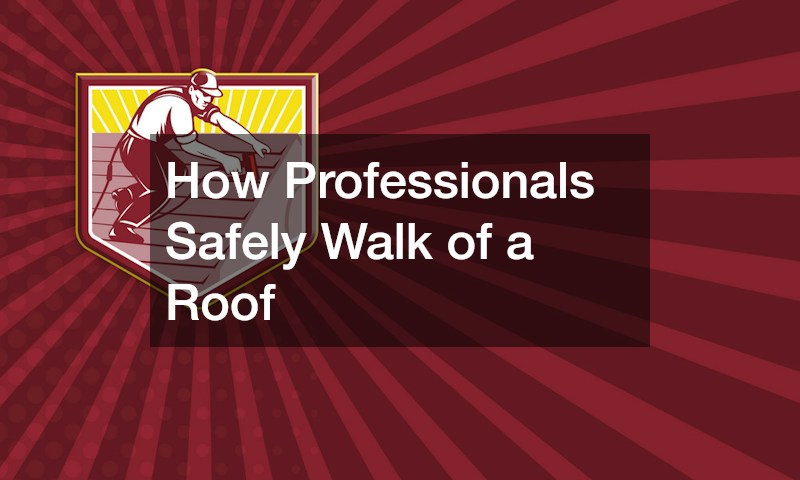

Walking on a roof may look simple when an experienced professional does it, but working at height involves serious risks. Roof surfaces can be steep, slippery, uneven, or weakened by damage. Weather conditions can also change how safely someone can move across roofing materials. Professional roofers rely on training, proper equipment, careful planning, and an understanding of different roofing systems to reduce these risks.
Homeowners should generally avoid climbing onto a roof when an inspection or repair can be handled safely by a professional. A qualified roofer knows how to evaluate conditions before beginning work and use appropriate safety measures while navigating the surface.
Professionals Evaluate the Roof Before Climbing
Roof safety begins before anyone steps onto the roofing material. Professionals can first evaluate the roof from the ground or from another safe location to identify obvious hazards.
The pitch of the roof is one important consideration. A relatively low-slope roof may provide more stable footing than a steeply pitched surface. Roofers also consider the roofing material, visible damage, access points, surrounding structures, and weather.
This initial evaluation helps determine what equipment and procedures may be appropriate. If conditions appear unsafe, workers can change their approach rather than unnecessarily exposing themselves to a fall.
They Pay Attention to Weather Conditions
Rain, frost, ice, and snow can make roofing surfaces significantly more slippery. Even morning dew can reduce traction on certain materials. Strong winds can create additional hazards, particularly on steep or exposed roofs.
Professionals monitor conditions and determine whether work can be performed safely. In some situations, delaying a project until conditions improve is the safest option.
Heat can also create challenges. Roofing materials can become extremely hot after hours of direct sunlight, while high temperatures may increase the risk of heat-related illness for workers. Scheduling and hydration can therefore be important parts of safe roofing work.
Proper Footwear Helps Provide Traction
Footwear is an important part of roof safety. Professionals typically wear work shoes or boots that provide suitable traction and support for the surfaces they encounter.
Roofing materials vary considerably. Asphalt shingles, metal panels, tile, slate, and other surfaces can each respond differently when walked on. Appropriate footwear can help workers maintain more reliable footing, but shoes alone do not eliminate fall risks.
Roofers also remain aware of loose granules, leaves, sawdust, roofing debris, and other materials that could reduce traction. Keeping work areas reasonably clear can help reduce unnecessary hazards.
Fall Protection Is an Essential Safety Measure
Professional roofing work may involve fall-protection systems appropriate to the job and applicable safety requirements. Depending on the project, this can include equipment such as harnesses, lifelines, anchors, guardrails, or other protective systems.
This equipment is not simply a substitute for careful movement. Instead, fall protection is part of a broader approach to managing the risks associated with working at height.
Equipment must also be used correctly. Improperly positioned or installed safety equipment may not provide the intended protection, which is one reason training is so important for roofing work.
Roofers Use Ladders Carefully
Reaching the roof safely is just as important as moving across it. A poorly positioned or unstable ladder can create a fall hazard before a worker even reaches the roofing surface.
Professionals consider the condition of the ladder, the surface supporting it, its position, and the transition between the ladder and roof. Ladders also need to be appropriate for the height and type of work being performed.
Workers avoid carrying bulky materials in ways that interfere with safe ladder use. Roofing crews may use other methods to move tools and materials when necessary.
They Understand Where to Step
Professional roofers become familiar with how different roofing systems are constructed and where additional caution may be required. They watch for damaged, loose, cracked, or deteriorated materials that could create unstable footing.
Some roofing materials can also be damaged by improper foot traffic. Tile and certain other products may crack if weight is applied incorrectly. Metal roofing can become particularly slippery under certain conditions.
Experience with the roofing material helps professionals determine how to move around the work area while reducing the chance of injury or unnecessary damage.
Tools and Materials Are Managed Carefully
Roofing projects can involve power tools, hand tools, shingles, fasteners, flashing, and numerous other materials. Leaving these items scattered across a roof can create tripping and slipping hazards.
Professional crews organize work areas so that necessary materials are accessible without unnecessarily obstructing walking paths. Tools may also be secured to prevent them from sliding off the roof.
Falling objects can endanger people below, so roof safety extends beyond the workers on the roof. Contractors may establish work zones around the building to keep occupants and pedestrians away from areas where materials could fall.
Damaged Roofs Require Additional Caution
Storm damage, water intrusion, rot, and long-term deterioration can weaken portions of a roofing system. A surface may appear stable while the decking underneath has lost strength.
Professionals look for warning signs before placing their weight on questionable areas. Sagging sections, visible deterioration, and evidence of moisture problems can indicate that additional evaluation is needed.
This hidden damage is one reason homeowners should be particularly cautious about climbing onto a roof after a major storm or when significant deterioration is suspected.
Training Makes a Significant Difference
Roof safety involves much more than being comfortable with heights. Professionals learn how to use equipment, recognize hazards, navigate different roofing materials, and adjust their approach based on the conditions of a particular job.
Experience also helps workers recognize situations that may not appear dangerous to someone unfamiliar with roofing. A surface that looks dry, for example, may still offer poor traction, while an apparently solid section could conceal structural deterioration.
When a roof needs inspection or repair, staying on the ground can often be the safest choice for a homeowner. A professional roofer can evaluate the roof using appropriate equipment and established safety practices. By combining training, fall protection, careful movement, and awareness of changing conditions, roofing professionals can manage the hazards that come with working above ground.
About the Author