Damaged or heavily clogged pipes can create serious problems for a home’s plumbing system. Slow drains, recurring backups, unpleasant odors, and leaks may indicate that a pipe needs more than a basic clog removal. In some situations, professionals can clean the existing pipe and install a new lining inside it rather than excavating and replacing the entire section.
Pipe relining can be useful when an existing line has cracks, corrosion, or other types of deterioration but is still suitable for rehabilitation. Before relining can begin, however, the pipe needs to be thoroughly evaluated and cleaned.
A professional drain cleaning service can help remove buildup and determine what additional work may be necessary to restore proper flow.
The Process Begins With a Pipe Inspection
Before deciding how to clean or repair a pipe, plumbers need to understand what is happening inside it. A camera inspection is one method commonly used to examine the interior of a drain or sewer line.
A small waterproof camera can be moved through the pipe to look for grease, mineral deposits, tree roots, cracks, corrosion, or other problems. The inspection may also reveal whether part of the pipe has collapsed or shifted.
This information helps determine whether relining is appropriate. A severely collapsed or improperly positioned pipe may require a different repair method because a liner needs a suitable existing structure to support it.
Blockages Must Be Removed
If a pipe contains a substantial blockage, that obstruction generally needs to be cleared before the pipe can be properly inspected and prepared for relining.
Different types of blockages may require different approaches. Grease and sludge can accumulate along the inside walls of drain lines, while tree roots may enter underground pipes through cracks or joints. Foreign objects can also become lodged inside plumbing lines.
Removing these obstructions helps restore the interior space of the pipe and provides access to the damaged surface underneath. The exact cleaning method depends on the material, condition, and location of the pipe.
High-Pressure Water Can Clean Pipe Walls
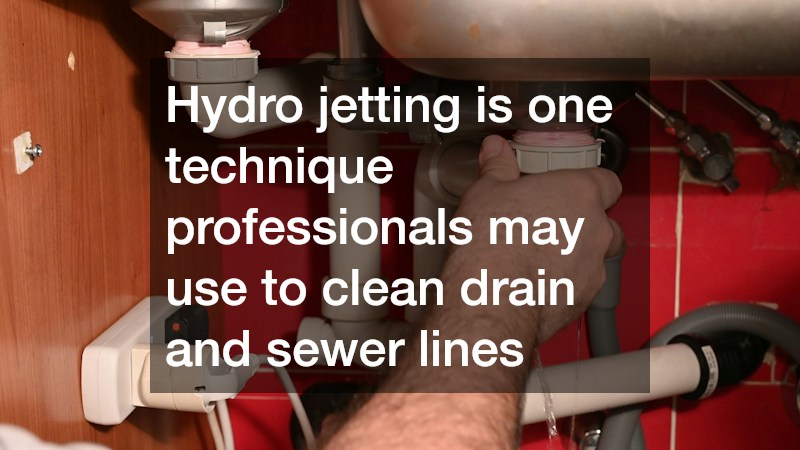
Hydro jetting is one technique professionals may use to clean drain and sewer lines. Specialized equipment sends high-pressure water through the pipe to break apart and remove certain types of buildup.
Unlike methods that primarily create an opening through a blockage, hydro jetting can help clean material from the interior walls of the pipe. This can be especially helpful when preparing a suitable pipe for relining because the new liner needs to fit properly against the existing interior.
However, high-pressure cleaning is not appropriate for every pipe. If a line is severely deteriorated, professionals may need to consider its condition before choosing a cleaning technique.
Another Inspection May Follow Cleaning
After the pipe has been cleaned, another camera inspection may be performed. Removing buildup can reveal damage that was previously difficult to see.
The plumber can evaluate cracks, missing sections, corrosion, joints, and other features of the pipe more clearly after cleaning. This inspection can also confirm whether enough debris has been removed to continue with the planned repair.
If the pipe is suitable for relining, measurements can then be used to prepare the liner for the affected section.
A Flexible Liner Is Prepared
Pipe relining generally involves placing a flexible liner inside the existing pipe. Depending on the specific system being used, the liner may contain a resin that will harden after it has been positioned.
The liner must be appropriately sized for the pipe being repaired. Professionals consider the pipe’s diameter, length, layout, and condition when preparing the materials.
Because the repair occurs inside the existing line, relining can sometimes reduce the amount of excavation required compared with traditional pipe replacement. This can be particularly useful when a damaged line runs underneath landscaping, pavement, or other difficult-to-access areas.
The Liner Is Positioned Inside the Existing Pipe
Once prepared, the liner is inserted into the damaged section. Different relining systems may use air pressure, water pressure, pulling equipment, or other techniques to position the material against the interior walls.
Proper placement is important because the liner needs to follow the shape of the existing pipe and create a consistent interior surface. Professionals must also account for connections or branch lines that interact with the repaired section.
The installation method can vary depending on the type of liner and the plumbing system being repaired.
The Liner Is Allowed to Cure
After the liner is positioned, the resin must cure and harden. Depending on the system, curing may occur with ambient conditions or may be accelerated using specialized methods.
Once cured, the liner creates a new interior surface within the old pipe. The result is essentially a pipe within the existing pipe, allowing wastewater to travel through the newly formed interior.
Curing time can vary, so homeowners should follow the contractor’s instructions regarding when fixtures and drains can be returned to normal use.
The Finished Pipe Is Inspected
Professionals may perform another camera inspection after the liner has cured. This allows them to check the finished repair and verify that the interior is open and properly formed.
If the relined section intersects with branch connections, additional equipment may be used to reopen those connections as necessary. The plumbing system can then be tested before normal service resumes.
This final evaluation is an important part of confirming that the work has addressed the targeted section of pipe.
Relining Is Not Appropriate for Every Problem
Although relining can repair certain damaged pipes without extensive excavation, it is not a universal solution. Completely collapsed lines, severe structural problems, or pipes with major alignment issues may require excavation and replacement.
The condition of the existing plumbing therefore needs to be evaluated before a repair method is selected. Cleaning alone may be sufficient for some drainage problems, while others require relining or complete replacement.
If drains repeatedly clog, wastewater backs up, or a sewer line appears damaged, a professional drain cleaning service can inspect and clean the affected piping. Once the obstruction and buildup are removed, professionals can determine whether relining is a practical way to rehabilitate the existing pipe or whether another repair method would be more appropriate.
About the Author