
Key takeaways
- Small, skipped maintenance tasks often turn into repairs that cost thousands, while prevention usually costs far less.
- Build a checklist around your home’s major systems and local climate, set seasonal reminders, and keep a log of completed work.
- In spring, inspect the roof, clean gutters, schedule an AC tune-up, and test the sump pump and outdoor faucets.
- In summer, reseal decks, watch for pests, trim plants away from the house, and clean the dryer vent.
- In fall and winter, schedule a heating tune-up, winterize outdoor plumbing, seal drafts, insulate pipes, and watch for ice dams.
- Each month, change HVAC filters as needed, test smoke and CO detectors and GFCI outlets, and check for leaks.
- Set aside 1 to 4 percent of your home’s value each year for upkeep, and keep records to protect resale value.
Most big home repairs don’t happen overnight. A roof leak often starts with a few loose shingles. A flooded basement may begin with clogged gutters. A broken furnace in January is often the result of a tune-up that never happened in the fall. When small maintenance tasks slip through the cracks, they can quietly grow into problems that cost thousands of dollars to fix.
A seasonal home maintenance checklist helps you stay ahead of those problems. By breaking your home’s care into simple tasks for spring, summer, fall, and winter, you can catch issues early, when they’re cheaper and easier to fix. You’ll also help your home’s systems last longer and run more efficiently.
In this guide, you’ll learn why regular upkeep saves money, how to build a checklist you’ll actually follow, and which tasks matter most each season. You’ll also find tips on budgeting for maintenance and knowing when to call a pro.
1. Why Small Problems Become Expensive Repairs
Homes are made of systems that depend on each other. When one part fails, it often damages another. Clogged gutters can send water down your siding and into your foundation. A worn seal around a window can let moisture into the wall, leading to rot and mold. A dirty furnace filter makes your heating system work harder, which can shorten its life by years.
The difference in cost can be huge. Cleaning your gutters might cost nothing if you do it yourself or around $100 to $250 if you hire help. Repairing foundation damage caused by poor drainage can cost thousands. Replacing a $10 washing machine hose is far cheaper than repairing a flooded laundry room. In most cases, prevention costs a small fraction of the repair.
Regular maintenance also helps your home run more efficiently. Clean HVAC systems, sealed windows, and well-insulated attics lower your energy bills every month. Over time, these savings can add up to hundreds of dollars a year.
- One failing part can damage other parts of your home.
- Prevention usually costs far less than repairs.
- Well-maintained systems last longer and use less energy.
2. How to Build a Checklist That Works

The best checklist is one you’ll actually use. Start by walking through your home, inside and out, and making a list of every major system and feature. Include your roof, gutters, siding, windows, HVAC system, water heater, plumbing, appliances, deck, and yard. Note the age of big-ticket items like your roof, furnace, and water heater if you know them.
Next, group tasks by season. Some jobs, like cleaning gutters, make sense in spring and fall. Others, like servicing your air conditioner, should happen before the hot months. Your local climate matters too. A home in Minnesota needs more cold-weather prep than one in Arizona, so adjust the list to fit where you live.
Keep your checklist somewhere easy to find. A printed list on the fridge, a shared phone note, or a home maintenance app can all work. Set calendar reminders at the start of each season, and keep a simple log of what you did and when. That record helps you spot patterns and can be useful when you sell your home.
- List every major system and note the age of big items.
- Group tasks by season and adjust for your climate.
- Use calendar reminders and keep a log of completed work.
3. Spring: Recover From Winter and Prep for Heat
Spring is the time to check for damage winter may have left behind. Walk around your home and look at the roof from the ground with binoculars. Watch for missing, cracked, or curling shingles and damaged flashing around chimneys and vents. Clean gutters and downspouts, and make sure downspouts send water at least 4 to 6 feet away from your foundation.
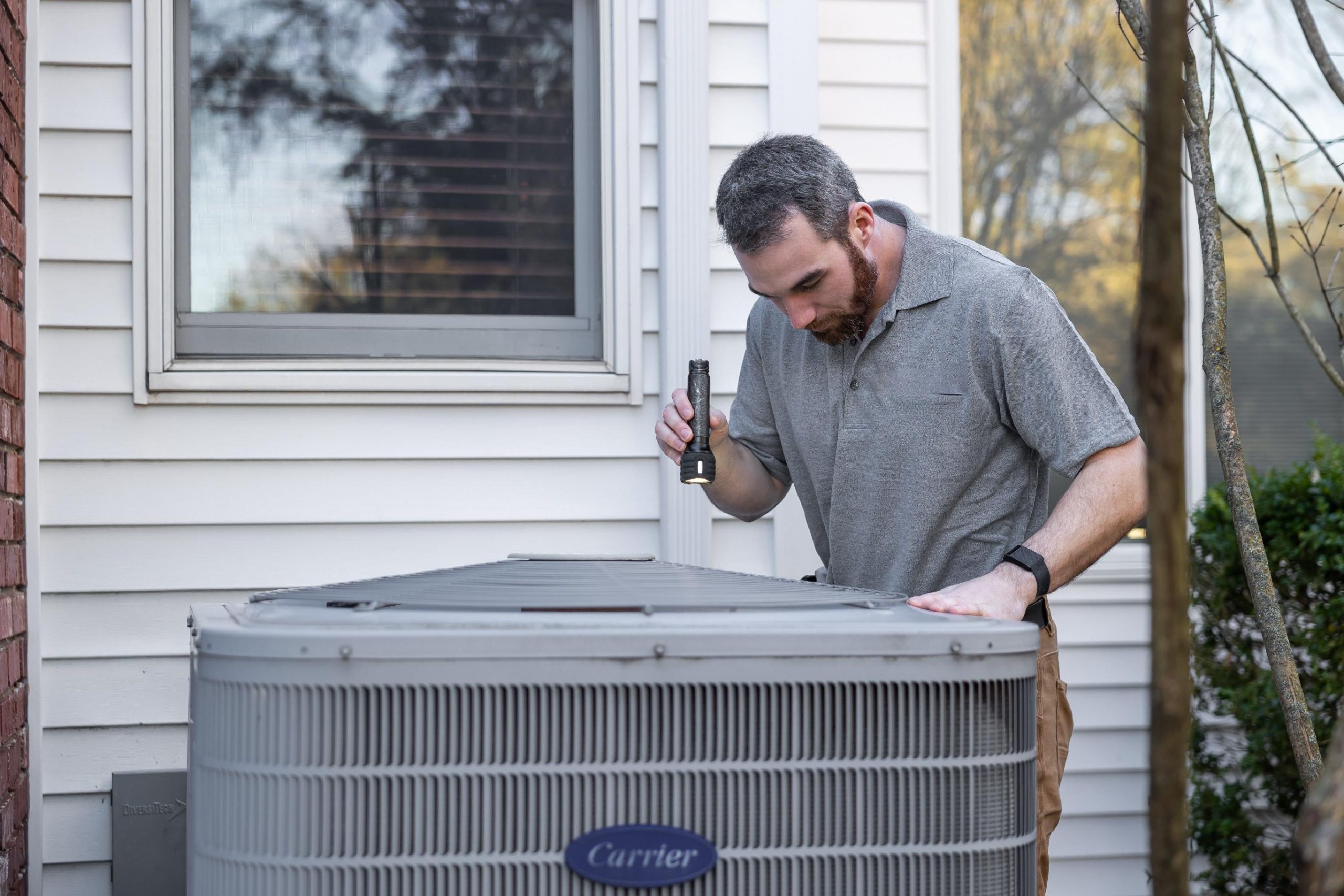
Next, schedule an air conditioner tune-up before the first heat wave, when HVAC companies are less busy. Replace the HVAC filter and clear leaves and debris from around the outdoor unit. Inside, check under sinks and around the water heater for leaks, and test your sump pump by pouring a bucket of water into the pit to make sure it turns on.
Outside, look for cracks in your foundation, driveway, and walkways, and seal small ones before they grow. Check window and door screens for holes, and inspect caulk around windows. Turn on outdoor faucets slowly and look for leaks, since pipes can crack during freezes without showing damage until spring.
- Inspect the roof and clean gutters and downspouts.
- Schedule an AC tune-up and test your sump pump.
- Check outdoor faucets, foundation cracks, and window seals.
4. Summer: Protect Outdoor Spaces and Stay Cool
Summer’s long, dry days are perfect for outdoor projects. Inspect your deck or patio for loose boards, popped nails, and splintering wood. Clean and reseal wood decks every two to three years, or when water no longer beads up on the surface. Sealing costs far less than replacing rotted boards.
Keep an eye out for pests. Look for signs of termites, like mud tubes on your foundation or soft, hollow-sounding wood. Trim tree branches and shrubs so they’re at least a few feet away from your roof and siding. This keeps out insects and rodents and helps prevent damage during summer storms.
Inside, clean your dryer vent. Lint buildup makes your dryer work harder and is a leading cause of house fires. Check your ceiling fans and make sure they spin counterclockwise in summer to push cool air down. Check irrigation systems for leaks or broken sprinkler heads, and adjust them so they water plants, not your house or driveway.
- Inspect and reseal wood decks as needed.
- Watch for termites and trim plants away from the house.
- Clean the dryer vent and check sprinklers for leaks.
5. Fall: Get Ready for Cold Weather
Fall is one of the most important seasons for home maintenance, since it prepares your home for the hardest months of the year. Schedule a furnace or heat pump tune-up early in the season. A technician will clean parts, check for safety issues, and make sure your system is ready to run all winter. If you have a fireplace or wood stove, have the chimney inspected and cleaned to reduce fire risk.
Clean gutters again after most leaves have fallen. Disconnect garden hoses, drain them, and store them inside. If you live where it freezes, shut off and drain outdoor faucets or install frost-free spigots. Blow out sprinkler lines to keep them from cracking over winter.
Seal gaps around windows, doors, and pipes where cold air can sneak in. Weatherstripping and caulk are cheap and can noticeably lower heating bills. Finally, check your roof and attic one more time before snow arrives. Make sure attic vents aren’t blocked and insulation is evenly spread.
- Schedule a heating tune-up and chimney inspection.
- Clean gutters and winterize hoses, faucets, and sprinklers.
- Seal drafts and check attic insulation and vents.
6. Winter: Prevent Freeze Damage and Stay Safe
Winter maintenance is mostly about protecting your home from cold and keeping your family safe. Frozen pipes are one of the costliest winter problems, since a burst pipe can release hundreds of gallons of water. Insulate exposed pipes in attics, crawl spaces, and garages with foam pipe sleeves. During very cold snaps, open cabinet doors under sinks on outside walls and let faucets drip slightly.
Watch for ice dams, which are ridges of ice that form at the edge of your roof and can force water under shingles. They usually mean heat is escaping into the attic. Better attic insulation and ventilation are the long-term fix. A roof rake can safely pull snow off the lower edge of your roof from the ground.
Winter is also a good time for indoor tasks. Test smoke and carbon monoxide detectors and replace batteries as needed. Check that your fire extinguisher is charged. Change the HVAC filter, which may need replacing more often when the heat runs constantly. Use slower months to plan bigger projects for spring.
- Insulate exposed pipes and drip faucets during hard freezes.
- Watch for ice dams and improve attic insulation if needed.
- Test smoke and CO detectors and change HVAC filters.
7. Monthly Tasks to Do Year-Round
Some maintenance doesn’t fit neatly into one season. A short monthly routine, which takes about 30 minutes, catches problems between your bigger seasonal checks. Start by looking at your HVAC filter. Many 1-inch filters need to be changed every one to three months, especially if you have pets or allergies.
Test your smoke and carbon monoxide detectors by pressing the test button. Press the test and reset buttons on GFCI outlets in your kitchen, bathrooms, garage, and outdoors to make sure they still cut power when they should. Take a quick look under sinks and around toilets, the water heater, and the washing machine for any signs of leaks.
Run water in any sinks, tubs, or showers you rarely use to keep drain traps full, which stops sewer gas from coming into your home. Clean your garbage disposal and range hood filter. These small habits keep your home safe and help you notice changes early, before they turn into costly repairs.
- Check and change HVAC filters as needed.
- Test smoke detectors, CO detectors, and GFCI outlets.
- Look for leaks and run water in unused drains.
8. Protect Your Home’s Value for the Future
Regular maintenance doesn’t just prevent repairs. It also protects one of your biggest investments. When it’s time to sell, buyers and home inspectors look closely at the roof, HVAC system, plumbing, electrical system, and foundation. A well-kept home usually inspects better, sells faster, and gives buyers fewer reasons to ask for price cuts.
Many sellers spend weeks figuring out what to fix before selling a house, often rushing to repair problems that built up over years. Following a seasonal checklist means you’ll have fewer surprises when that day comes. Small issues like dripping faucets, missing caulk, cracked windows, and peeling paint are already handled, so you can focus on cosmetic updates instead of urgent repairs.
Keep your maintenance log and receipts in one folder or digital file. Records showing a recent furnace tune-up, roof inspection, or water heater flush can give buyers confidence. They can also help you answer questions on seller disclosure forms and support your asking price.
- Well-maintained homes tend to inspect better and sell faster.
- Regular upkeep means fewer last-minute repairs before a sale.
- Keep records and receipts to build buyer confidence.
9. Budget for Maintenance and Know When to Call a Pro

Even the best checklist needs a budget behind it. A common rule of thumb is to set aside 1 to 4 percent of your home’s value each year for maintenance and repairs. For a $300,000 home, that’s about $3,000 to $12,000 a year, or $250 to $1,000 a month. Older homes and homes in harsh climates usually fall at the higher end. Putting money aside each month in a separate savings account keeps a surprise repair from becoming a crisis.
Many checklist tasks are simple DIY jobs, like changing filters, cleaning gutters on a one-story home, testing detectors, and sealing drafts. Doing these yourself saves money and helps you get to know your home. Other jobs are best left to licensed professionals, including HVAC tune-ups, electrical work, gas appliance repairs, chimney cleaning, and anything that requires climbing onto a steep or high roof.
When hiring help, get two or three quotes, check licenses and reviews, and ask about service plans. Some HVAC and plumbing companies offer yearly plans that include tune-ups and discounts on repairs, which can be a good value.
- Save 1 to 4 percent of your home’s value each year for upkeep.
- Handle simple tasks yourself and hire pros for risky or technical jobs.
- Compare quotes and consider yearly service plans.
Conclusion
A seasonal home maintenance checklist turns home care from a guessing game into a simple plan. By handling a few tasks each season, you catch small problems before they become big, expensive repairs. Your heating and cooling systems last longer, your energy bills stay lower, and your home stays safer for your family.
The key is consistency. Build a checklist that fits your home and climate, set reminders, and keep a log of what you’ve done. Pair it with a monthly savings habit so you’re ready when larger repairs or replacements come due.
You don’t have to do everything at once. Start with the current season, pick the three most important tasks, and check them off this month. Over time, these small steps add up to real savings, fewer surprises, and a home that stays in great shape for years to come.
About the Author