
Every major home upgrade comes with a sales pitch about how long it will last, but the real-world lifespan of a roof, HVAC system, or garage door often depends on climate, maintenance, and installation quality rather than the glossy brochure numbers. Before you sign a contract or take out a loan for a big-ticket improvement, it pays to understand what actually determines how long these systems hold up.
This guide breaks down the major home upgrades homeowners weigh most often, what shortens or extends their useful life, and how to judge whether a repair or full replacement makes more financial sense. Armed with this information, you can make upgrade decisions based on facts rather than optimistic marketing claims.
Roofing Materials and Their Realistic Lifespans
A roof is one of the most expensive upgrades a homeowner will face, and the material you choose has a dramatic effect on how long it actually performs before needing replacement. Asphalt shingles are marketed with 20 to 30-year lifespans, but intense sun exposure, poor attic ventilation, and storm damage routinely cut that number down. Metal roofing and tile tend to outlast asphalt by decades, but only when installed correctly and inspected periodically for loose fasteners or cracked seals.
Getting an honest assessment often means bringing in roofing companies for a physical inspection rather than relying on age alone to decide if a replacement is overdue. A roof that looks fine from the ground can have compromised flashing, soft decking, or granule loss that shortens its remaining life significantly. Annual inspections, especially after severe weather, help you catch small problems before they become full tear-off situations.
- Asphalt shingles: 15-25 years in practice, depending on climate and ventilation
- Metal roofing: 40-70 years with proper maintenance
- Clay or concrete tile: 50+ years but heavier and pricier to install
- Flat or low-slope membrane roofs: 15-20 years before major resealing or replacement
HVAC Systems and When Repairs Stop Making Sense
Heating and cooling systems are rated for a certain number of years, but how they are used and maintained changes that timeline substantially. A well-serviced central air unit can run efficiently for 12 to 15 years, while a neglected one may start failing in year eight. Knowing when to call for AC repair versus when to replace the whole unit is one of the most common dilemmas homeowners face, and it usually comes down to the cost of the repair relative to the age and efficiency of the system.
As a general rule, if a repair costs more than half the price of a new unit and the system is past the ten-year mark, replacement is usually the smarter long-term investment. Refrigerant type also matters, since older systems using phased-out refrigerants can become expensive to service as parts and coolant grow scarce. Tracking your repair history over a few years gives you a clearer picture than judging a single costly breakdown in isolation.
- Central air conditioners: 12-17 years average lifespan
- Furnaces: 15-20 years depending on usage and maintenance
- Ductless mini-split systems: 15-20 years with regular filter cleaning
- Thermostats and controls: 10 years, often replaced sooner for smart upgrades
Heat Pump Systems and Seasonal Wear Patterns
Heat pumps have grown popular because they handle both heating and cooling, but their dual workload means they experience more wear cycles than a single-purpose system. In regions with harsh winters, the compressor works overtime to extract heat from cold outdoor air, which can shorten the equipment’s working life if maintenance is skipped. Scheduling heat pump repair at the first sign of reduced efficiency, strange noises, or uneven temperatures can prevent a minor fix from turning into a full system failure.
The average heat pump lasts 10 to 15 years, but that range narrows quickly in coastal or high-humidity climates where corrosion accelerates component breakdown. Homeowners who keep outdoor units clear of debris and schedule biannual tune-ups tend to get the longer end of that lifespan. Ignoring strange cycling patterns or rising energy bills often means a bigger repair bill is coming sooner rather than later.
- Have the system inspected twice a year, once before each major season
- Replace air filters every one to three months
- Keep outdoor units free of leaves, snow, and debris buildup
- Watch for rising utility bills as an early warning sign of declining efficiency
Water Heater Tanks and Tankless Units Compared
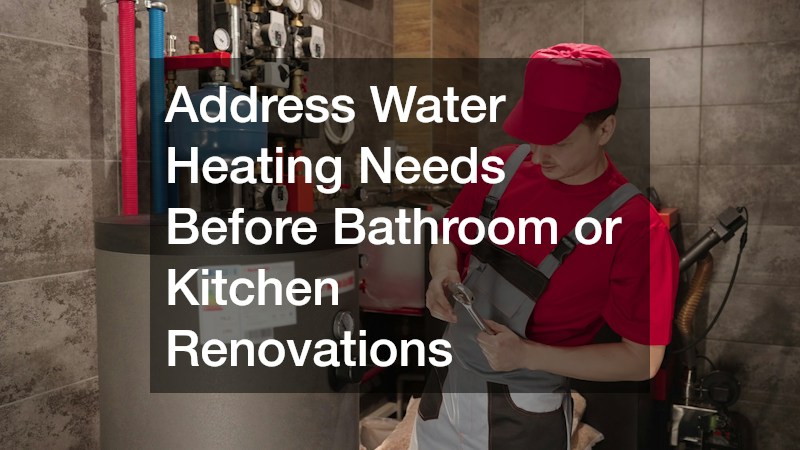
Traditional tank water heaters last an average of 8 to 12 years, while tankless units can run for 20 years or more because they are not constantly storing and reheating standing water. Sediment buildup is the biggest factor shortening tank life, especially in homes with hard water that have not flushed the tank regularly. A failing water heater rarely gives much warning beyond rusty water, strange noises, or pooling at the base of the unit.
When deciding between repair and replacement, consider that a tank water heater losing efficiency after year eight is rarely worth a major repair investment. Tankless systems cost more upfront but often make financial sense for households that use a lot of hot water daily. Either way, annual flushing and anode rod checks extend the service life of either style significantly.
Local Heating Systems and Furnace Maintenance Routines
Furnaces and boilers depend heavily on consistent maintenance to reach their expected lifespan, and this is one area where working with local heating companies pays off in the long run. Technicians familiar with your region’s climate and common housing stock can spot issues specific to your area, like corrosion from humidity or strain from extreme cold snaps, that a generic checklist might miss. Annual tune-ups before the cold season starts are the single most effective way to avoid a midwinter breakdown.
Furnace lifespan is also tied closely to how well the ductwork and filtration system support it, since a furnace working against clogged filters or leaky ducts ages faster than one operating under ideal conditions. Homeowners who schedule routine maintenance typically see their systems last toward the higher end of the 15- to 20-year average. Waiting until a complete breakdown to call for service almost always costs more than proactive care.
- Schedule a professional tune-up every fall before heavy use begins
- Replace filters on a consistent monthly or seasonal schedule
- Seal and insulate ductwork to reduce strain on the system
- Listen for unusual noises like banging or screeching, which signal component wear
Garage Door Systems and Spring and Opener Replacement
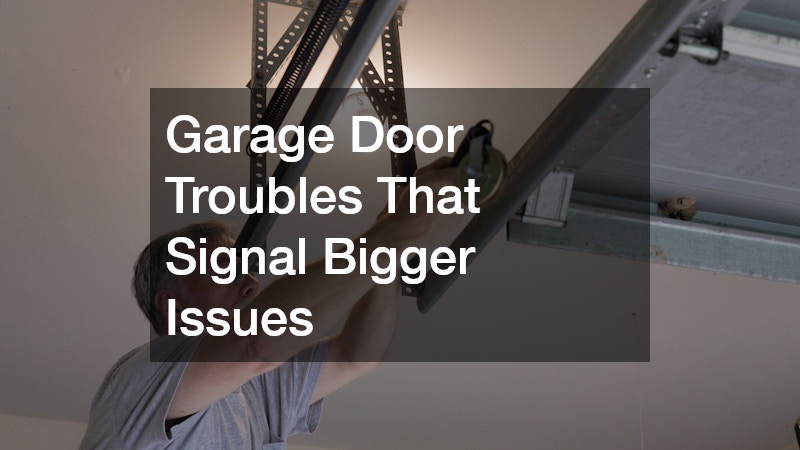
Garage doors are often overlooked in lifespan planning, but they are a major moving system with multiple components that wear out at different rates. The door panels themselves can last 20 to 30 years, but springs, openers, and rollers typically need attention or replacement well before that. Torsion springs, for example, are rated for a certain number of open and close cycles, often around 10,000, which translates to roughly seven to nine years of average daily use.
Choosing well-built garage doors upfront, along with scheduling periodic lubrication and balance checks, extends the functional life of the entire system considerably. Openers typically last 10 to 15 years, and replacing an aging opener before it fails completely avoids the inconvenience of being locked out of your own garage. A door that is slow to respond, makes grinding noises, or hangs unevenly is signaling that a tune-up or part replacement is due.
- Torsion springs: roughly 7-9 years under average daily use
- Garage door openers: 10-15 years before replacement is typical
- Rollers and hinges: inspect annually, replace every few years
- Panels and tracks: can last decades with proper alignment and care
Custom Home Additions and Structural Longevity
When planning a major addition or full remodel, the quality of construction has an outsized impact on how long the new structure performs compared to the original home. Working with an experienced custom home builder ensures that framing, insulation, and moisture barriers meet current codes rather than cutting corners to save on upfront cost. A poorly built addition can develop settling cracks, drainage issues, or energy inefficiencies within just a few years, undermining the investment.
Material choices within an addition also affect long-term durability, since mismatched materials between old and new sections of a home can expand and contract at different rates, leading to premature wear. Getting a detailed scope of work and asking about warranty terms on structural elements gives homeowners a clearer picture of expected lifespan. A well-built addition should be designed to last as long as the original structure, not just long enough to pass inspection.
Septic Systems and Underground Infrastructure Checks
Septic systems are easy to ignore because they are buried and out of sight, but neglecting them leads to some of the most expensive repairs a homeowner can face. A properly maintained septic tank and drain field can last 20 to 40 years, while a neglected system can fail in half that time. Routine septic inspections every three years catch issues like solid buildup or drain field saturation before they turn into a full system replacement.
Warning signs of septic failure include slow drains throughout the house, sewage odors near the tank or drain field, and unusually lush patches of grass over the leach field. Pumping the tank every three to five years, depending on household size, is the most effective way to extend its working life. Homeowners who skip inspections often find out about a failing system only after raw sewage surfaces in the yard, which is a far costlier problem to fix.
- Pump the tank every three to five years based on usage
- Avoid planting trees or driving over the drain field area
- Watch for slow drains or gurgling pipes as early warning signs
- Keep detailed records of pumping and inspection dates for future reference
Flood Protection Features and Basement Water Defenses

In flood-prone regions, protecting a home’s foundation and basement is as important as any major mechanical upgrade, yet it is often an afterthought until after water damage has already occurred. Installing flood barriers around doorways, window wells, and low points in the yard can prevent thousands of dollars in damage during heavy storms or seasonal flooding. These systems range from simple removable panels to permanent engineered berms, and their lifespan depends heavily on material quality and how well they are maintained between storm seasons.
Regular inspection of seals, check valves, and barrier materials ensures the system performs when it matters most, since a barrier that has degraded from UV exposure or physical damage may fail exactly when you need it. Pairing physical barriers with proper grading and gutter maintenance around the foundation adds another layer of protection. Homeowners in flood zones should treat these systems as essential infrastructure rather than optional add-ons.
Large-Scale Demolition and Site Preparation Projects
Some major home upgrades begin with tearing something down, whether it is an old structure, a damaged addition, or an entire building slated for a full rebuild. For projects of this scale, hiring industrial demolition contractors ensures the work is done safely and in compliance with local regulations regarding utility disconnection, asbestos handling, and debris disposal. Attempting large-scale demolition without proper equipment or permits can lead to safety hazards and costly fines.
Beyond safety, professional demolition also protects the timeline of whatever upgrade follows it, since improperly cleared sites often cause delays once construction crews arrive. A clean, well-prepared site reduces the risk of hidden problems like buried debris or unstable soil derailing the project later. Homeowners planning a significant rebuild should factor demolition costs and timelines into their overall budget from the very beginning.
Conclusion
Weighing a major home upgrade against its true lifespan means looking past manufacturer estimates and considering your climate, maintenance habits, and the quality of installation behind every system in your home. Whether you are evaluating a roof, a heating system, or underground infrastructure like a septic tank, the right decision usually comes down to honest inspections and realistic cost comparisons rather than guesswork. Start by identifying which systems in your home are approaching the upper end of their expected lifespan, then schedule professional evaluations to get ahead of costly failures. Taking a proactive approach now will save you money, stress, and unexpected emergencies down the road.
About the Author