A sudden jump in your energy bill rarely comes out of nowhere. In most homes, it is the first warning sign that a major system is working overtime to compensate for internal wear, clogged components, or failing parts. Understanding which systems tend to spike your costs before they break down completely can help you catch problems early, avoid emergency repairs, and plan for replacements on your own schedule rather than in a crisis. This guide walks through the most common culprits so you know what to watch for and when to act.
Aging Air Conditioners Losing Efficiency
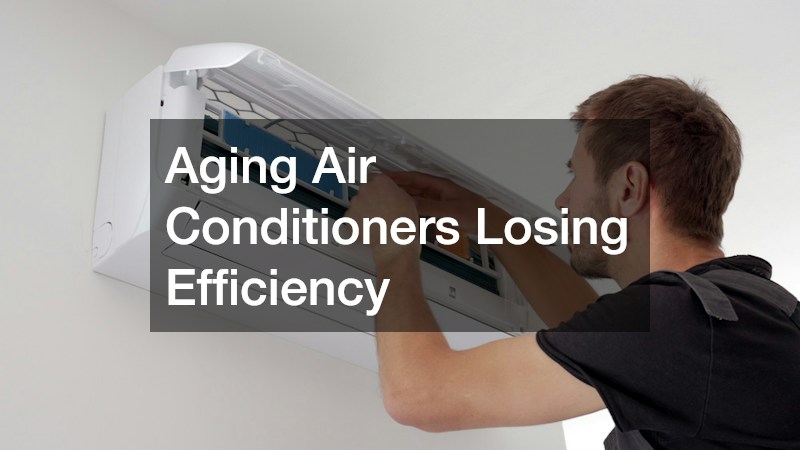
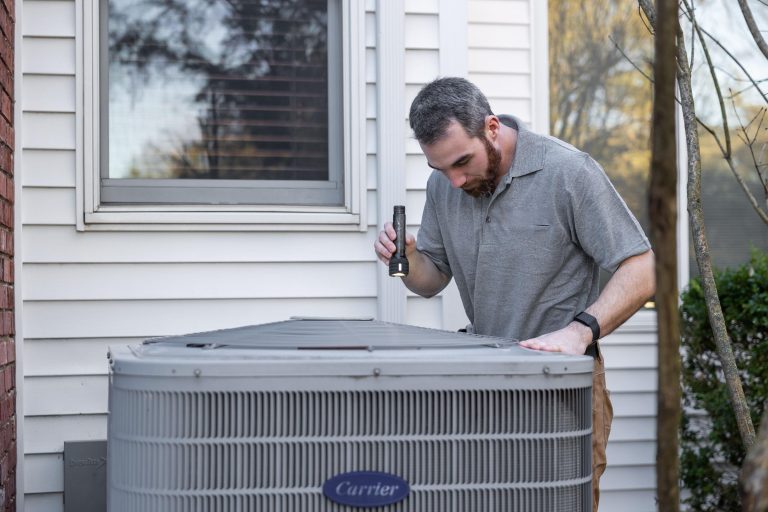
Air conditioners rarely fail without warning. As refrigerant levels drop, coils get dirty, or fan motors weaken, the system has to run longer and harder to reach the same temperature, and that extra runtime shows up directly on your electric bill. A unit that once cooled your home in short, steady cycles may start running almost constantly, which is a sign that internal components are struggling to keep up with demand.
If you notice this pattern, it is worth scheduling air conditioning repair before the compressor or motor fails outright. Catching the issue early often means a smaller repair bill and a system that limps along efficiently for another season or two, rather than a full breakdown during the hottest week of summer.
- Rising bills despite similar weather and usage patterns
- Longer cooling cycles or the unit running almost nonstop
- Warm air blowing from vents intermittently
- Unusual noises like grinding, rattling, or clicking during operation
Water Heaters Working Harder Than They Should
A water heater nearing the end of its life often develops sediment buildup at the bottom of the tank, which insulates the water from the heating element and forces the unit to burn more energy to reach the same temperature. This is especially common in homes with hard water, where mineral deposits accumulate faster. You might notice your shower takes longer to heat up or that hot water runs out more quickly than it used to.
Tanks older than ten to twelve years are especially prone to this kind of inefficiency, and once corrosion sets in, the energy cost of keeping the unit running often outweighs the cost of replacing it. If you are noticing rust-colored water, strange odors, or popping and rumbling sounds from the tank, those are strong signs that water heater installation should be on your near-term planning list rather than something you push off indefinitely. A professional can also help you choose a more efficient model, such as a tankless or heat pump unit, that reduces monthly costs going forward.
- Rusty or discolored water coming from hot taps
- Popping, rumbling, or banging sounds from the tank
- Inconsistent water temperature throughout the day
- Visible rust or moisture around the base of the unit
Furnaces and Heat Pumps Cycling More Often
Heating systems tend to show the same pattern as air conditioners when they are on the decline. A furnace with a cracked heat exchanger, clogged filter, or failing ignition system will cycle on and off more frequently, using more fuel or electricity without actually heating your home more effectively. Homeowners often describe this as feeling like certain rooms never quite reach a comfortable temperature no matter how high the thermostat is set.
Heat pumps face a similar issue when refrigerant leaks or a struggling compressor force the system into longer runtimes during cold snaps. Because heating accounts for a large share of household energy use in winter, even a small efficiency loss can translate into a noticeably higher bill. Routine filter changes and annual inspections can catch many of these issues before they become expensive.
Outdated Thermostats and Poor Temperature Control
Sometimes the spike in your energy bill has less to do with a failing major system and more to do with the controls managing it. An old or miscalibrated thermostat can cause your HVAC system to run longer than necessary or cycle inconsistently, which wastes energy even if the furnace or air conditioner itself is in decent shape. This is a common issue in homes where the thermostat has not been updated in a decade or more.
- Thermostat display is inconsistent with actual room temperature
- No programmable or smart scheduling features
- System runs even after the set temperature is reached
- Manual thermostats with worn dials or unresponsive buttons
Leaky Ductwork and Poor Insulation
Even a perfectly healthy heating or cooling system can drive up your bills if the air it produces never makes it to your living space. Ducts that have gaps, disconnected joints, or crushed sections can leak a significant portion of conditioned air into attics, basements, or crawl spaces before it ever reaches a vent. This forces your system to run longer to compensate, which mimics the same symptoms as a failing unit.
Insulation plays a similar role. A home with insufficient attic or wall insulation loses conditioned air rapidly, meaning your system has to work overtime regardless of how efficient it is mechanically. Sealing ducts and upgrading insulation are often overlooked, low-cost fixes that can meaningfully lower monthly costs without replacing any major equipment.
Electrical Panels and Aging Wiring Under Strain
Older electrical systems can also contribute to rising energy costs, particularly in homes where the panel or wiring was not designed for the number of appliances now in use. Overloaded circuits run less efficiently and can cause appliances to draw more power than necessary to function properly. Flickering lights, warm outlets, or breakers that trip frequently are all signs that your electrical system may be struggling.
Many homeowners eventually consult with AC companies or electricians when trying to diagnose a stubborn bill increase, because cooling systems and electrical panels are often connected pain points in older homes. A professional assessment can determine whether the issue lies with the appliance itself or the electrical infrastructure supporting it, saving you from replacing equipment that was never actually the problem.
Rising energy bills are rarely random, and in most cases they are your home’s way of telling you that a system is nearing the end of its reliable life. Paying attention to these patterns early gives you the chance to schedule repairs or upgrades on your own timeline instead of waiting for a complete breakdown. If you have noticed any of these warning signs, it is worth having a qualified professional inspect the system in question sooner rather than later. Taking action now can protect both your comfort and your wallet in the months ahead.
About the Author