
Some parts of a home demand attention every day, while others work silently for years without a second thought. The overlooked systems are the ones buried underground, tucked into attics and crawlspaces, hidden behind panels, or perched high above the eaves. They carry electricity, wastewater, combustion gases, conditioned air, and runoff, and they keep moisture and pests on the outside where they belong. Because these systems rarely announce small problems, they tend to receive care only after something visibly breaks, and by that point the damage has usually moved well beyond its starting point.
The cost of that delay follows a predictable curve. A loose connection, a lifted seam, a clogged filter, or a slight leak costs little to correct when it first appears. Left alone, the same issue spreads into framing, finishes, soil, and neighboring equipment, multiplying the expense and disruption many times over. Addressing overlooked systems early flips that curve. Scheduled inspections, routine servicing, and timely upgrades keep small faults from compounding, extend the life of expensive components, and keep household budgets predictable. A home managed this way stays safer, healthier, and far less likely to produce costly surprises.
Patching Punctured Decking and Resealing Lifted Flashing

The surface above the attic takes direct hits from falling limbs, hail, foot traffic, and wind-driven debris. A single puncture through the shingles and underlayment opens a path straight into the decking, where water spreads along the grain, softens the plywood or OSB, and feeds mold on the underside. Flashing at walls, chimneys, skylights, and vents faces a quieter threat. Thermal movement and aging sealant gradually pull metal away from the surfaces it protects, letting water slip behind the trim and into the framing below.
Timely roof repairs start with tracing the leak path from the attic and confirming the damaged area from above. Shingles around the puncture are carefully released, the compromised decking is cut back to the nearest rafters, and new sheathing is fastened with ring-shank nails. Fresh underlayment and ice-and-water membrane are lapped into the surrounding layers before matching shingles are woven in. Lifted flashing is refastened, step flashing is replaced where corroded, and counterflashing is resealed with a high-grade polyurethane or butyl sealant designed to stay flexible for years.
Measuring Fascia Runs and Hanging Seamless Troughs
Water management at the eaves begins with accurate measurements. Runs that are too short leave corners unprotected, and troughs that do not follow the true line of the fascia sag, pull away, or tilt the wrong direction. Fascia boards that were never inspected before mounting often hide rot that loosens fasteners within a few seasons. The result is overflow that saturates the soil near the foundation, stains siding, and erodes landscape beds.
Precise gutter installation begins with measuring each run along the fascia, checking the boards for rot, and replacing damaged sections before anything is mounted. Seamless aluminum is roll-formed on site to the exact length of each run, eliminating joints where leaks typically start. Hidden hangers secured with stainless screws into the rafter tails hold the troughs about every two feet, and each run is pitched toward downspouts positioned to handle the drainage area above, with extensions carrying water well away from the foundation.
Tracking Foraging Trails and Eliminating Hidden Nests
A few insects marching across a countertop are only the visible edge of a much larger colony. Workers follow pheromone trails from nests hidden in wall voids, under slabs, beneath landscape timbers, or inside damp wood, and spraying the trail only kills foragers while the queen keeps producing more. Carpenter species excavate galleries in moisture-softened framing around windows, roof eaves, and decks, weakening wood over time. Fire and pavement species build mounds near foundations and invade through cracks, utility lines, and expansion joints.
Effective ant removal begins with identifying the species and following foraging trails back to their source, often using inspection mirrors, moisture meters, and attention to frass or debris piles. Technicians place slow-acting baits along active trails so workers carry them back to the nest, eliminating the queen and brood rather than just the visible insects. Non-repellent treatments are applied to the foundation perimeter and entry points, while wall voids receive targeted dust applications. Correcting moisture, trimming vegetation away from the house, and sealing cracks reduce the chance of future infestations.
Resurfacing Etched Interiors and Upgrading Variable-Speed Pumps

Interior finishes in swimming areas deteriorate faster than many owners expect. Water with low pH, low calcium hardness, or high salt content slowly dissolves cement paste from plaster, leaving rough, etched surfaces that stain easily, harbor algae, and scrape skin. Delaminated patches create hollow spots that eventually chip away. Meanwhile, older single-speed circulation pumps run at full power for hours each day, using far more electricity than needed for filtration and sanitation.
Experienced pool contractors drain the basin, remove loose or delaminated finish, and acid-wash or bead-blast the shell to create a clean bonding surface. A bond coat is applied, followed by a new interior finish such as quartz aggregate or pebble surfaces that resist etching and staining far better than standard plaster. Equipment upgrades focus on replacing single-speed motors with variable-speed pumps that can run at low speeds for filtration, cutting energy use dramatically while improving water circulation and reducing noise. Balanced water chemistry during start-up then protects the new finish as it cures.
Tightening Loose Terminals and Adding Dedicated Circuits
Electrical connections loosen gradually as conductors heat and cool with every load cycle. Copper and aluminum expand and contract at different rates, terminal screws back out, and corrosion builds on contact surfaces, increasing resistance and heat at the connection. Warm switch plates, flickering lights, buzzing breakers, and scorched outlets are warning signs of a problem that can ignite surrounding materials. Overloaded circuits add risk, especially in homes where modern appliances share wiring designed for far smaller loads.
A licensed local electrical contractor starts with thermal imaging of the panel and major circuits to identify hot connections, then torques breaker and bus terminals to manufacturer specifications. Damaged conductors and scorched devices are replaced, and aluminum branch circuits are pigtailed with approved connectors. Load calculations determine where dedicated 20-amp circuits are needed for appliances, workshops, home offices, and vehicle chargers. AFCI and GFCI protection is added where required, and a whole-home surge protector guards sensitive equipment.
Felling Hazardous Leaders and Grinding Buried Stumps
Co-dominant leaders, the competing vertical stems that form when a specimen splits into two main trunks, are among the most common causes of structural failure. Included bark in the union prevents strong wood from forming, and the joint can crack open under wind, ice, or heavy foliage. Decay entering through old pruning wounds weakens leaders further. When one side fails, it can crush roofs, vehicles, and fences. Left behind after earlier work, buried stumps rot slowly, attract termites, and sink the surrounding soil.
Experienced crews handling tree removals first evaluate the union, decay, lean, and surrounding targets, then decide whether to dismantle the entire specimen or remove only the hazardous leader. Climbers rig each section and lower it with ropes and friction devices, while cranes handle heavy pieces over structures. Stump grinders reduce the stump and major roots well below grade, including stumps buried under soil or turf. The resulting chips are removed, and the hole is backfilled with topsoil and compacted to prevent future settling.
Locating Buried Lids and Pumping Overloaded Tanks

Many homeowners do not know where their wastewater tank is located because the lids are buried under soil, turf, or landscaping. Without easy access, routine maintenance gets skipped, and solids accumulate until they overflow into the drainfield. Overloaded tanks cause slow drains, gurgling pipes, odors, and soggy areas in the yard, and in severe cases sewage backs up into the lowest fixtures. Ignored for too long, an overloaded tank can permanently damage the absorption field.
A dependable local septic company locates the tank using property records, probes, and electronic transmitters sent through the main line, then excavates to expose the access lids. The tank is pumped completely, and technicians inspect baffles, effluent filters, and the condition of the tank walls. Risers with secure, child-resistant lids are installed to bring access to grade, making future service quick and inexpensive. Households should schedule pumping every three to five years based on tank size and usage. Keeping a simple diagram of the tank and field location also helps future crews work quickly without digging up the yard.
Replacing Seized Fan Motors and Brazing Leaking Line Sets
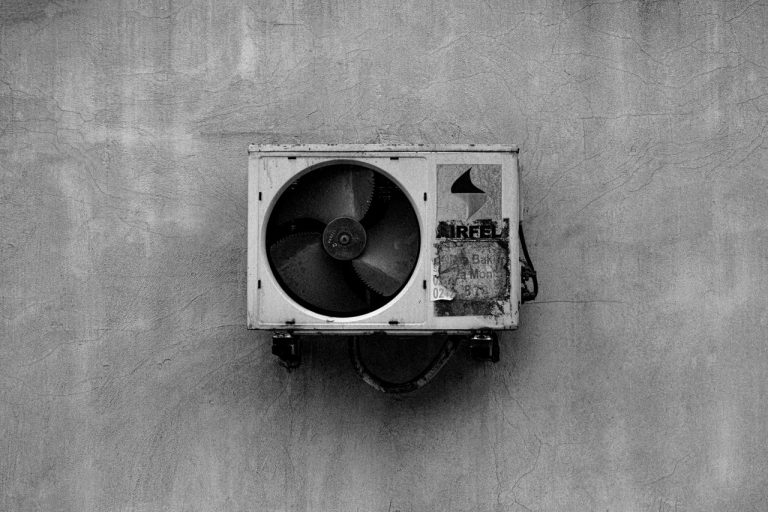
Outdoor condenser fan motors run through extreme heat, humidity, and dust, and their bearings eventually dry out and seize. Without airflow across the coil, head pressure rises rapidly, the compressor overheats, and safety controls shut the system down or, worse, the compressor fails. Copper refrigerant lines also suffer damage from vibration rubbing against framing, corrosion where they pass through masonry, and accidental punctures, allowing refrigerant to escape until cooling capacity disappears.
Effective ac repair begins with verifying fan motor operation, checking amperage and capacitor values, and replacing seized motors with matched replacements or efficient ECM motors. Technicians locate line set leaks with electronic detectors and nitrogen pressure testing, cut out damaged sections, and braze in new copper using a nitrogen purge to prevent internal scale. Lines are then pressure-tested, evacuated below 500 microns, and recharged by weight. Insulation and protective sleeves prevent future rubbing and corrosion.
Profiling Bare Concrete and Building Multi-Coat Resin Systems
Bare concrete looks durable, but its porous surface readily absorbs moisture, oil, chemicals, and road salt. Stains penetrate deep into the slab, salts and freeze-thaw cycling cause spalling, and the surface gradually dusts as cement paste breaks down. Thin, single-coat products from home centers often fail quickly because they cannot bond properly to smooth, contaminated concrete and lack the thickness to withstand traffic and hot tires.
Professional epoxy flooring systems begin with diamond grinding or shot blasting to create a concrete surface profile that allows coatings to penetrate and bond. Cracks and spalls are repaired, moisture levels are tested, and a penetrating primer is applied. Installers then build multiple layers, including a 100 percent solids resin base coat, a broadcast of decorative flakes or quartz, and a UV-stable polyaspartic or urethane topcoat. Together, these layers create a thick, seamless surface that resists chemicals, abrasion, moisture, and hot tires. Coved edges along walls and a slip-resistant additive in the final coat complete a surface that cleans easily and stays safe underfoot.
Sweeping Sooty Flues and Fitting Stainless Steel Caps

Every fire deposits soot and creosote inside the flue, narrowing the passage and adding fuel for a dangerous flue fire. Restricted flues reduce draft, causing smoke to spill into living spaces and increasing carbon monoxide risk. Open flues also invite rain, which mixes with soot to form acidic sludge that corrodes dampers and liners, while birds, squirrels, and raccoons build nests that block airflow entirely.
Regular chimney service includes a camera inspection to evaluate liner condition and deposit levels, followed by sweeping with rotary brushes or rods sized to the flue. Debris is collected at the firebox using HEPA vacuums to keep the room clean, and the smoke shelf and damper are cleared and checked for proper operation. A stainless steel cap with spark-arrestor mesh is then fitted securely to the top of the flue, blocking rain, debris, and animals while preventing embers from escaping onto the shingles. Annual sweeping, or more often for heavy wood burners, keeps deposits below the eighth-inch threshold that signals fire risk.
Overlooked systems share a common trait: they rarely fail suddenly without warning. Loose terminals heat up gradually, flashing pulls away a little each season, wastewater tanks fill steadily, coils and flues collect buildup, and insects expand their colonies one generation at a time. Each problem sends early signals, but those signals are easy to miss when the systems are buried, hidden, or out of reach.
Addressing these systems on a schedule turns unpredictable failures into routine maintenance. Annual inspections of the shingles and flashing, seasonal checks of drainage channels and cooling equipment, periodic wastewater pumping, regular flue sweeping, electrical evaluations, and pest monitoring keep problems small and manageable. Upgrades such as variable-speed pumps, dedicated circuits, and durable slab coatings add efficiency and resilience that pay off for years.
The reward is a home that costs less to operate and far less to maintain over its lifetime. Equipment lasts longer, energy bills stay steady, and emergencies become rare instead of routine. By giving overlooked systems the same attention as the visible parts of the house, homeowners protect their comfort, their safety, and their investment from the expensive consequences of neglect.
About the Author