

The process of transforming a house into a dream home is rarely a straight line. It is a complex orchestration of logistics, finances, and creative vision. For many homeowners, the excitement of choosing new tiles or paint colors can lead to a “rush to renovate,” where construction begins before the proper groundwork has been laid. However, in the world of construction, an hour of planning is worth ten hours of labor. Without a comprehensive roadmap, a simple remodel can quickly devolve into a series of expensive “surprises,” structural setbacks, and timeline delays. Planning is the shield that protects your investment, ensuring that every change you make is built on a solid foundation and a clear objective. This guide explores the critical stages of pre-remodel planning that every homeowner should navigate to ensure a successful, stress-free transformation.
Defining Your Goals Before Beginning the Project

Every renovation should begin with a “why.” Are you remodeling to increase the resale value of the home, to accommodate a growing family, or simply to update an aesthetic that hasn’t changed in twenty years? Defining your primary objective dictates where you should spend your money and where you can afford to save. A “flip” requires neutral, broad-appeal finishes, while a “forever home” allows for the high-end, personalized touches that reflect your specific lifestyle.
Consulting with professional home remodeling services during this conceptual phase is invaluable. These experts can help you distinguish between “structural needs” and “aesthetic wants.” They provide a reality check on your budget, helping you understand the current costs of materials and labor. By establishing a firm set of goals and a prioritized “master list” of projects, you create a North Star for the entire process. This prevents “scope creep”—the tendency for a project to grow larger and more expensive as it progresses—and ensures that the final result truly meets your needs.
Understanding the Scope of Each Interior Upgrade
Once your goals are set, you must dive into the technical details of each specific room. Some rooms are relatively straightforward, involving little more than paint and flooring, while others are “wet” rooms that involve complex systems behind the walls. Understanding the specific requirements of these high-intensity spaces is critical for accurate budgeting and scheduling.
For example, bathroom remodeling is often the most complex type of interior upgrade because it involves plumbing, electricity, waterproofing, and high-end tile work all within a small footprint. During the planning stage, you must decide if you are keeping the existing layout or moving fixtures like the toilet or shower. Moving a drain by even six inches can add thousands to the plumbing bill. By finalizing your layout and selecting your fixtures before the first sledgehammer swings, you prevent the delays that occur when a contractor is forced to wait for a backordered vanity or a specific type of valve.
Inspecting the Roof Before Making Other Improvements
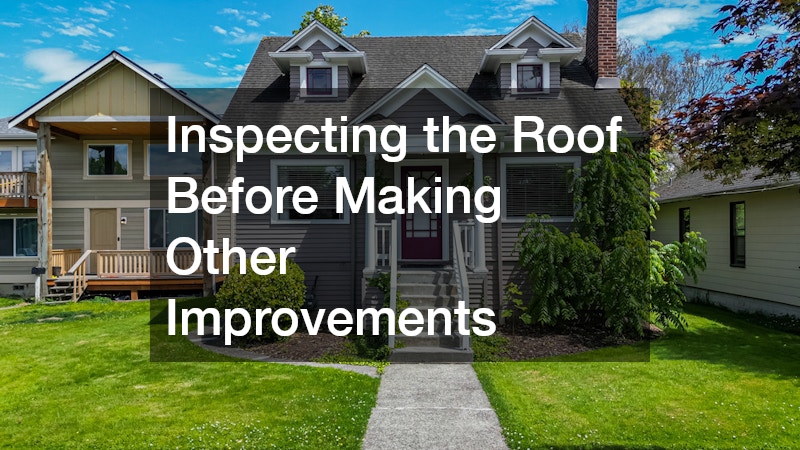
It is a common mistake to start a kitchen or bathroom remodel without first looking at the top of the house. The roof is the primary protector of everything beneath it. There is no point in spending $50,000 on custom cabinetry and high-end flooring if a compromised roof allows moisture to seep into the walls, leading to rot and mold that will eventually destroy your new interior work.
Hiring a local roofing contractor to perform a “health check” on your shingles, flashing, and gutters is a mandatory pre-remodel step. If the roof is nearing the end of its lifespan, it should be replaced or repaired before any interior work begins. This ensures that your investment is safe from the elements. A new roof also provides an opportunity to improve attic ventilation and insulation, which can lower your energy bills and create a more comfortable environment for your newly renovated interior.
Preparing Exterior Surfaces for Renovation Work
A successful remodel considers the “skin” of the house just as much as the skeleton. If you are planning on painting the exterior or installing new siding, the surfaces must be meticulously cleaned and prepared. Attempting to renovate over dirt, mildew, or loose old paint is a recipe for a failed finish that will peel within a year.
Professional power washing is the most effective way to prep the exterior of your home. It removes the layer of grime, pollutants, and biological growth that accumulates over time, revealing the true condition of the substrate. This process often uncovers hidden issues, such as wood rot or cracks in the masonry, that need to be addressed before the “real” renovation work starts. A clean exterior provides a better bond for new paint and ensures that your home looks its best from the day the project is completed.
Addressing Plumbing Issues Before Construction Begins

In older homes, the plumbing is often a ticking time bomb. Before you close up the walls with expensive new drywall and tile, you must ensure that the pipes and drains are in perfect working order. This is especially true for the main lines that run beneath the house or out to the street, which are often overlooked until they fail.
If you notice slow drains or frequent backups, you should schedule a sewer line repair service to perform a camera inspection of your main line. Identifying a collapsed pipe or an invasive root system before you start your kitchen remodel allows you to fix the problem without having to tear up your new floor later. Upgrading old galvanized or cast-iron pipes to modern PVC or PEX ensures that your home’s “circulatory system” is ready for another fifty years of service, providing you with the peace of mind that your beautiful new rooms are safe from water damage.
Evaluating Exterior Materials and Structural Needs
The materials you choose for the exterior of your home dictate its durability and maintenance requirements for decades. This is not the place to cut corners. Your siding, trim, and windows must be able to withstand your local climate while providing the aesthetic “curb appeal” that drives property value.
Working with a specialist in local siding installation allows you to explore the latest in high-performance materials, such as fiber cement or high-grade vinyl. These materials offer the look of natural wood without the susceptibility to rot and insects. During this stage, you should also evaluate the home’s “envelope”—the insulation and moisture barriers that sit behind the siding. Improving these structural elements during a remodel is the most cost-effective way to boost your home’s energy efficiency and protect the underlying wooden frame from the long-term effects of humidity and condensation.
Planning Interior Finishes and Wall Improvements

The quality of an interior remodel is often judged by the smoothness of the walls and the precision of the trim. Even the most expensive paint will look poor if it is applied over lumpy, cracked, or poorly taped drywall. Planning your interior finishes requires a focus on the “prep” work that happens before the finish coat.
Hiring a professional residential drywall contractor ensures that your walls are perfectly plumb and level. This is especially important in kitchens, where cabinets must hang perfectly straight, and in bathrooms, where large-format tiles require a flat substrate to avoid “lippage.” Beyond simple repair, this is the time to consider architectural details like coffered ceilings, recessed niches, or sound-dampening drywall between bedrooms. By planning these wall improvements early, you ensure that the “skin” of your interior is as high-quality as the finishes that will eventually cover it.
Considering Outdoor Features That Add Comfort and Value
A holistic remodel doesn’t stop at the exterior walls; it extends into the landscape. Outdoor living spaces have become a major priority for modern homeowners, serving as an extension of the interior floor plan. However, these spaces must be designed to handle the elements, specifically the intense sun or rain that can make an outdoor area unusable for half the year.
Strategic additions like awnings or pergolas can transform a scorched deck into a comfortable outdoor lounge. These features provide shade, reduce the heat load on the interior of the house, and protect your outdoor furniture from UV damage. When planning your remodel, think about the “flow” from the inside to the outside. A large sliding door that leads to a shaded patio creates a seamless transition that makes the entire home feel larger and more connected to nature. These features add significant emotional and financial value, making the home more attractive to future buyers.
Organizing Waste Removal Throughout the Project
Construction is a messy business. A single room remodel can generate tons of debris, including old plaster, wood scraps, flooring, and packaging materials. If this waste isn’t managed properly, it will clutter your yard, damage your lawn, and create a safety hazard for your family and the workers.
A well-timed dumpster rental is a logistical necessity for any remodel. By having a central place for all construction waste, you keep the job site clean and organized. This allows the various trades—the plumbers, electricians, and carpenters—to work more efficiently without having to navigate a sea of debris. Managing waste also involves a sense of environmental responsibility; many dumpster services now offer sorting for recyclable materials like metal and wood, ensuring that your remodel has the smallest possible impact on the local landfill.
Working With Professionals to Finalize Your Design Vision
The final and most important step of the planning process is the transition from “idea” to “blueprint.” While many homeowners have a clear sense of what they like, translating that into a buildable plan requires technical expertise. A professional can help you navigate building codes, structural load requirements, and the nuances of interior scale and proportion.
Collaborating with a custom home designer allows you to visualize the finished product before the work begins. They can create 3D renderings and detailed floor plans that show exactly how the light will hit the new windows or how the kitchen island will function during a dinner party. A designer also acts as a bridge between the homeowner and the builder, ensuring that the creative vision is technically feasible and that every detail—from the placement of the outlets to the height of the baseboards—is documented. This final “check” on the design prevents the mid-project changes that are the leading cause of budget overruns.
In conclusion, the success of a home remodel is not determined by the final coat of paint, but by the months of planning that precede it. By defining your goals through home remodeling services and meticulously checking your systems—from the roof and sewer lines to the drywall and siding—you eliminate the variables that lead to failure. Planning is an act of respect for your home and your finances. It allows you to navigate the chaos of construction with confidence, knowing that every decision has been vetted and every surprise has been anticipated. When you take the time to build a comprehensive plan, you aren’t just renovating a building; you are intentionally crafting a space that will support your life and protect your wealth for decades to come.
Ultimately, a remodel is a series of interconnected decisions. When you choose to invest in awnings for comfort, a dumpster for organization, or a custom home designer for vision, you are contributing to a cumulative result of excellence. The goal is to finish the project with a home that feels cohesive, solid, and authentically yours. Do not be afraid to slow down in the early stages; the “pause” you take to inspect the plumbing or finalize the design is what allows the construction phase to move with speed and precision. A house is the most complex object most of us will ever own. By approaching its renovation with the rigor of a professional and the passion of an owner, you ensure that the “after” is even better than you imagined. Your home is your sanctuary—plan accordingly, and the results will speak for themselves. We hope that this guide was able to help you feel more confident going into your home remodel. We can’t wait to see how you transform your home!
About the Author