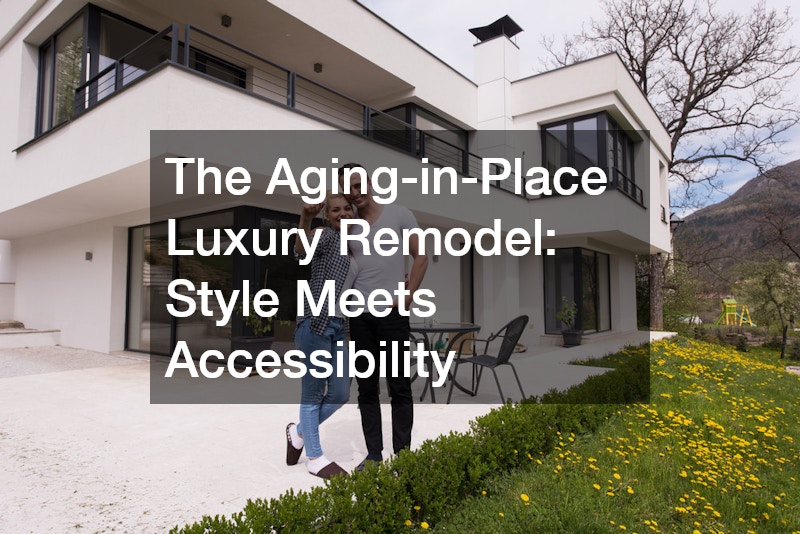

The concept of home is shifting for many people as they look toward the future. It is no longer just about having a place to sleep or a kitchen to cook in. Instead, the focus has moved toward creating a permanent sanctuary that can adapt to the changing needs of its inhabitants over several decades. This movement, often called aging-in-place, has moved away from the clinical and utilitarian designs of the past. Today, homeowners are prioritizing luxury, comfort, and high-end aesthetics while ensuring their spaces remain safe and accessible for their later years. The goal is to create a home that feels like a boutique hotel but functions with the precision of a modern facility.
When a family decides to stay in their current residence long-term, they often start by looking at the structural bones of the property. They want to ensure that every square inch of the house is optimized for mobility without sacrificing the beauty that makes a house a home. This involves a deep dive into materials, layout, and technology. It is about foresight and planning. By making smart choices now, people can avoid the stress of a rushed renovation later in life when their needs might become more urgent.
The Foundation of a Lifetime Home
Every significant renovation project begins with a clear vision of what the future holds. For those looking to stay in their homes indefinitely, this means looking at the property through a lens of universal design. Universal design is the practice of making spaces usable by everyone, regardless of their age or physical ability. However, the modern interpretation of this concept is heavily rooted in luxury. People are no longer satisfied with simple ramps or basic grab bars. They want integrated solutions that look like intentional design choices rather than afterthoughts.
This process usually involves consulting with a professional home builder who understands the nuances of structural integrity and long-term accessibility. Such an expert can evaluate whether walls can be moved to widen hallways or if a floor plan can be rearranged to allow for single-level living. They look at the “hidden” parts of the house, such as the plumbing and electrical systems, to ensure they can support modern upgrades. Having a professional at the helm ensures that the project is not just a cosmetic fix but a total transformation that adds real value to the property. It provides a level of peace of mind that is essential when making such a large commitment to a single location.
Smart Financial Strategies for Large Projects

Renovating a home for the long haul is an investment, and like any investment, it requires a solid financial plan. Many homeowners find that the most effective way to fund a comprehensive series of upgrades is to tap into the equity they have built up in their property over the years. This approach allows them to tackle multiple projects at once, rather than stretching the construction out over several years. It is often more cost-effective to handle the “dusty” work in one go, as it reduces the long-term disruption to daily life.
To make this happen, many families look into a refinance loan as a way to secure the necessary capital at a manageable interest rate. This financial tool can provide the liquidity needed to hire the best craftsmen and purchase high-quality materials that will stand the test of time. By restructuring their mortgage, homeowners can often find a balance between their monthly budget and the immediate need for home improvements. It is a strategic move that treats the home as a growing asset. When the financing is in place, the focus can shift from “how much will this cost” to “how can we make this the best version of our home?”
Protecting the Exterior Envelope
While much of the talk about aging-in-place focuses on the interior, the exterior of the house is just as important. A home that is difficult to maintain is not a home that is easy to age in. Therefore, choosing materials that are both durable and beautiful is a top priority for those planning for the future. Low-maintenance siding, high-efficiency windows, and modern roofing materials all play a role in reducing the physical labor required to keep a house looking its best.
Working with a reputable siding company can change the entire look and feel of a property while adding a layer of protection against the elements. Modern fiber cement or high-grade composite materials offer the look of natural wood without the need for constant painting or staining. These materials are fire-resistant and pest-resistant, which means fewer worries for the homeowner as they get older. Furthermore, updated siding can significantly improve the insulation of a home, leading to lower energy bills and a more comfortable interior environment. It is a win-win situation where the house becomes both more attractive and more functional.
The Art of the Modern Kitchen
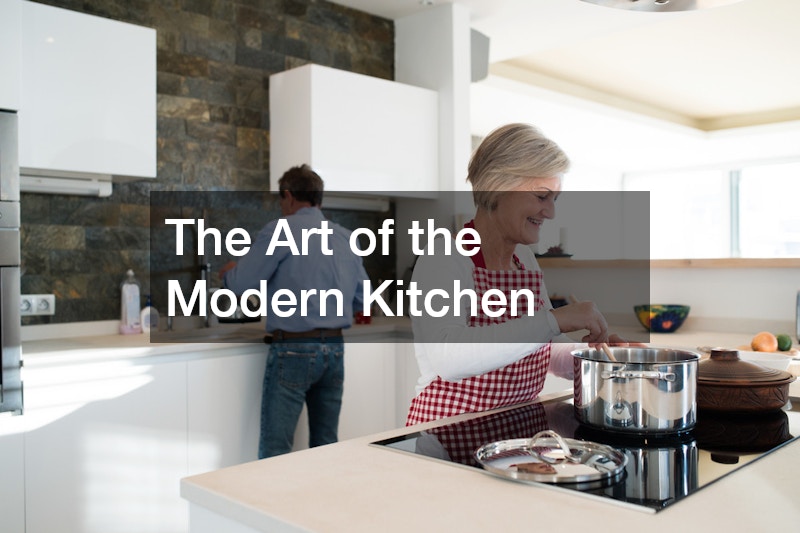
The kitchen is often referred to as the heart of the home, and it is frequently the first place people look to renovate. In an aging-in-place scenario, the kitchen needs to be as ergonomic as possible. This means thinking about how much reaching, bending, and lifting will be required. A high-end kitchen design today focuses on “zones” that allow for easy movement. Drawers are preferred over lower cabinets because they bring the contents to the user, eliminating the need to kneel on the floor to find a heavy pot or pan.
Architects and designers are now incorporating multi-level countertops so that some tasks can be performed while sitting down. They are also looking at induction cooktops, which are safer because they remain cool to the touch and have automatic shut-off features. The aesthetic side of this planning involves choosing timeless materials like quartz or quartzite, which are non-porous and easy to sanitize. The result is a space that feels sophisticated and professional but remains incredibly easy to navigate for someone with limited mobility or strength.
Executing the Kitchen Transformation
Once the plans are finalized, the physical work begins. This phase is where the vision starts to take shape. During a kitchen remodeling project, every detail is scrutinized, from the pull-force required to open the refrigerator to the height of the microwave. Many luxury homes are now featuring “appliance garages” that keep heavy mixers and blenders at counter height, hidden behind beautiful cabinetry, so they never have to be moved.
Light-colored finishes and plenty of natural light are also hallmarks of a modern, accessible kitchen. They make the space feel larger and help those with declining vision see what they are doing more clearly. Integrated smart technology is another common feature, allowing homeowners to control their ovens or dishwashers via voice commands. This stage of the renovation is about precision. It is about making sure that the gap between the island and the perimeter cabinets is wide enough for a walker or a wheelchair, even if those tools aren’t needed today. It is better to have the space and not need it than to need it and not have it.
Redefining Bathroom Safety and Comfort
Perhaps no room is more critical for aging-in-place than the bathroom. Statistically, this is where most home accidents occur, but it is also a place where luxury can truly shine. A high-end bathroom remodel can turn a standard washroom into a spa-like retreat that also happens to be incredibly safe. The “wet room” concept is particularly popular right now. This involves a zero-entry shower where the floor of the bathroom continues seamlessly into the shower area without a curb or lip.
To maintain a luxury feel, designers use radiant floor heating to keep the tiles warm and linear drains that look like a sleek architectural feature. Large-format tiles are often chosen because they require fewer grout lines, making them easier to clean and giving the room a more cohesive, expansive look. Grab bars are no longer the chrome pipes found in hospitals; they are now beautiful, weighted bars that double as towel racks or soap dishes. These small touches ensure that the room feels like a place of relaxation rather than a place of medical necessity.
Solving the Challenge of Multiple Levels

For many homeowners, the biggest obstacle to staying in their beloved house is the presence of stairs. Navigating different levels can become a burden as joint health changes. However, this does not mean that a multi-story home is no longer viable. A staircase remodel can address these concerns while adding a dramatic focal point to the home’s interior. This might involve widening the treads, adding more robust handrails on both sides, or even installing low-profile lighting along the baseboards to illuminate every step.
In more extensive luxury renovations, some homeowners choose to “stack” closets on different floors, creating a vertical shaft that can easily be converted into an elevator later on. Others opt for a more immediate solution by installing a high-end, glass-enclosed lift that looks like a piece of modern art. By addressing the stairs early, the homeowner removes the “expiration date” on their ability to live in the house. It allows them to enjoy the entirety of their property, from the basement to the attic, without hesitation or fear of a fall.
Lighting the Way to Safety
Visibility is a key component of safety that is often overlooked until it becomes an issue. As people age, their eyes require more light to process the same amount of information. A comprehensive house lighting upgrade can dramatically improve the quality of life in a home. This isn’t just about adding more lamps; it’s about layering light. Task lighting in the kitchen, ambient lighting in the living areas, and accent lighting on artwork all work together to create a space that is easy to navigate.
Smart lighting systems are a major part of this upgrade. These systems can be programmed to slowly brighten in the morning to help with the natural circadian rhythm or to dim at night. Motion sensors are particularly useful in hallways and bathrooms, ensuring that a path is always lit if someone needs to get up in the middle of the night. These systems can be controlled via a smartphone or voice commands, which is incredibly convenient. Good lighting also has a profound effect on mood, making a home feel cheerful and inviting even on the gloomiest of days.
Designing the Outdoor Sanctuary
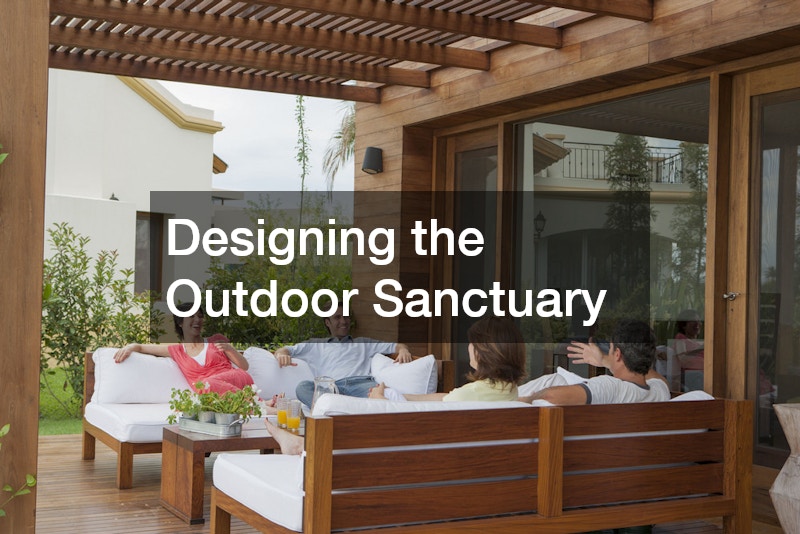
The benefits of nature and fresh air are well-documented, especially for those who spend more time at home. Therefore, the transition from the indoors to the outdoors should be as effortless as possible. Professional landscapers are now specializing in “sensory gardens” and low-maintenance landscapes that provide beauty without requiring hours of weeding or pruning. This might involve the use of raised planter beds, which allow for gardening without the need to bend over.
The layout of the yard is just as important as the plants themselves. Wide, paved paths that are free of roots and rocks ensure that the entire property is accessible. Incorporating water features that provide soothing sounds or fire pits that offer warmth can extend the usability of the outdoor space into the evening and through different seasons. By treating the yard as an extension of the living room, homeowners can double their usable space and create a private oasis that feels far away from the stresses of the world.
The Importance of Durable Surfaces
When it comes to the actual ground underfoot, the choice of material is paramount. Uneven surfaces are a major trip hazard, so finding a solution that is both flat and stylish is essential. Using a high-quality patio stone paver is an excellent way to achieve this. These pavers are designed to interlock and remain level over time, even with the natural shifting of the earth. They come in a vast array of colors and textures, allowing the homeowner to match the exterior of the house perfectly.
Textured finishes are often selected to provide extra grip when the surface is wet, which is a crucial safety feature for an outdoor patio or walkway. Unlike wood decking, which can rot or become slippery with algae, stone is incredibly durable and requires very little upkeep. A well-laid patio provides a solid foundation for outdoor furniture, grills, and even outdoor kitchens. It creates a defined space for entertaining guests or simply enjoying a quiet morning coffee, all while ensuring that the ground is safe and stable for anyone who walks on it.
Luxury and Accessibility
The trend of luxury aging-in-place renovations is a testament to the fact that accessibility does not have to mean a sacrifice in style. By using modern technology, high-end materials, and thoughtful design, it is possible to create a space that is as beautiful as it is functional. Whether it is through a clever redesign of the kitchen or a major structural change handled by a professional team, the investment in a home is an investment in one’s own future happiness and safety.
As more people choose to stay in their communities and their homes, the demand for these types of sophisticated renovations will only continue to grow. The houses that are being built and remodeled today will become the legacy homes of tomorrow. They will be spaces where memories continue to be made, regardless of the age or physical ability of those who live there. In the end, a successful remodel is one that makes life easier, more beautiful, and more enjoyable for everyone who crosses the threshold. It is about creating a space that doesn’t just house a person, but truly supports their lifestyle for as long as they choose to stay.
About the Author