
The transition from signing the final closing documents to holding the keys to your first piece of real property is an unparalleled milestone. The exhausting journey of browsing digital real estate platforms, enduring mortgage pre-approval underwriting, and negotiating counteroffers is officially over. However, as the initial euphoria of homeownership begins to blend with reality, a new realization settles in: you are no longer a tenant. There is no landlord to call when a pipe springs a leak, no corporate maintenance crew to clear out the ventilation shafts, and no property management office to absorb the financial shock of unexpected wear and tear.
The first ninety days of property ownership are the most critical window for establishing an organized, defensive framework around your investment. Taking a proactive approach during this post-closing phase is the ultimate antidote to the hidden vulnerabilities that frequently plague first-time buyers. By systematically auditing your home’s administrative protections, clearing environmental baselines, assessing structural integrity, and mapping out long-term equity updates, you transform a simple physical house into an ironclad wealth-building sanctuary.
Securing Administrative, Legal, and Risk Mitigation Pillars

Before your moving trucks even arrive at the driveway, your very first operational priority must center on securing the physical perimeter of your property and fortifying its administrative defenses. When a residential property changes hands, an unknown number of duplicate keys remain in circulation among former tenants, domestic workers, real estate agents, and independent maintenance contractors. To establish absolute boundary security, schedule a licensed locksmith to re-key every exterior deadbolt, or transition the property entirely to modern smart-lock hardware that allows you to manage digital entry codes dynamically from your smartphone.
Once the physical locks are secured, you must instantly pivot your attention toward optimizing your long-term asset indemnity structures. While your mortgage lender required a baseline property insurance binder to execute the closing, these standard, automated policies are frequently engineered to protect the lender’s financial stake rather than the homeowner’s personal wealth. Dedicate an afternoon during your first week of occupancy to sit down with an experienced, independent home insurance agent to review your policy’s fine print line by line. You must confirm that your coverage limits are structured around guaranteed replacement cost rather than actual cash value, ensure your personal property riders are sufficient to protect high-value electronics and family heirlooms, and actively evaluate whether your geographic sector demands specialized structural endorsements for earthquakes, sewer backups, or overland flood hazards.
Re-program electronic entry frequencies: Clear the internal memory arrays of all pre-existing overhead garage door openers and reprogram them with entirely new rolling security codes to lock out legacy remote controls.
Locate and test core utility shut-offs: Physically map out the exact locations of the main water shut-off valve, the master gas intake line, and the central electrical circuit breaker panel so you can react instantly during a sudden infrastructure failure.
Build a digital home asset ledger: Walk through every empty room with a video camera to document the baseline condition of the property, creating a timestamped cloud backup to support future insurance adjustment processes.
Establishing Environmental Baseline Cleanliness and Air Quality
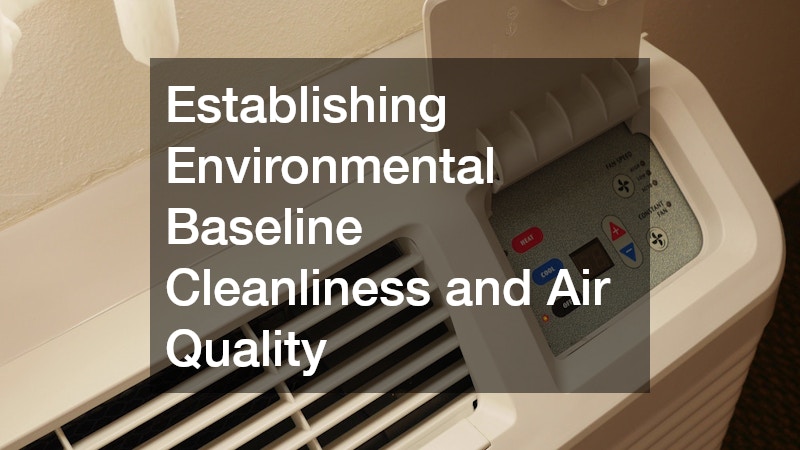
Unpacking heavy furniture into a newly acquired home before executing an extensive, top-to-bottom environmental deep clean is a critical mistake that many eager buyers regret. A deep, comprehensive sanitization is infinitely easier to accomplish when the floor plans are completely bare, and the wall spaces are unrestricted. Deep-cleaning a new home goes far beyond wiping down kitchen countertops and vacuuming carpets; it requires neutralizing the accumulated biological residues, pet dander, and structural dust left behind by the previous occupants.
The most critical, unseen element of your home’s environmental health is the hidden ductwork infrastructure that continuously circulates climate-controlled air throughout your living spaces. Over years of occupancy, residential supply and return plenums trap massive amounts of construction particulates, skin flakes, dust mites, and microscopic mold spores. To eliminate these hidden respiratory hazards, protect your family from chronic indoor allergens, and optimize your HVAC system’s mechanical airflow efficiency, coordinate with a certified AC duct cleaning service to thoroughly brush, vacuum, and sanitize your internal air distribution network. As your team works through the environmental baseline cleanup, you should also be alert to minor, hidden infrastructure failures that can drain your bank account through invisible leaks. If your property features complex underground lines, specialized refrigeration systems, or private utility grids that show signs of micro-losses, utilizing technical tools sourced through specialized helium leak detector sales pipelines can help you locate tiny, sub-surface structural fractures before they escalate into catastrophic structural dampness or environmental compliance failures.
Sanitize all primary kitchen appliance interiors: Pull out the refrigerator and oven to clear away historical grease accumulations from the surrounding drywall, and run high-temperature sanitizing cycles through the dishwasher.
Execute an extensive hard-surface seal: Strip down and re-seal all natural stone countertops, ceramic tile grout lines, and solid hardwood flooring layers to prevent future liquid staining and bacterial penetration.
Replace every internal air filtration element: Remove all standard fiberglass furnace filters and install high-efficiency particulate air (HEPA) alternatives featuring strong Minimum Efficiency Reporting Value (MERV) ratings to continuously scrub the indoor air.
Executing Surface Refreshes and Structural Protection Audits
One of the greatest joys of transitioning from a rental property to a home you own is having the complete creative freedom to customize your visual environment. Applying a fresh coat of paint is the single most cost-effective way to personalize your interior aesthetic, instantly making an older property feel crisp, clean, and distinctively yours. Painting is vastly more efficient when executed before your rooms are filled with furniture, saving you the exhausting labor of shifting heavy items back and forth and protecting your flooring investments from accidental splatters.
To ensure your aesthetic updates endure decades of daily foot traffic and cleaning cycles, never compromise on your raw material selections. Investing in premium low-VOC primers and architectural coatings from heritage brands like Benjamin Moore provides superior wall coverage, rich color depth, and scrubbable finishes that stand up perfectly to the chaotic wear patterns of growing families and household pets. While your interior surfaces are drying, use this time to shift your focus outward and perform a strict diagnostic audit of your home’s primary defensive weather shield. Grab a high-powered flashlight and enter your attic space during a heavy rainstorm to search for hidden structural wood rot, missing insulation patterns, or active condensation traps. If your inspection uncovers buckling shingles, failed valleys, or rusted flashing lines along the roofline, immediately contact an accredited, fully insured roofing company to patch the vulnerabilities and reinforce your eaves before seasonal winter freezes cause permanent structural decay to your underlying roof decking.
Map out a cohesive color hierarchy: Create a unified visual experience throughout your home by selecting a core neutral palette for main hallways and utilizing complementary accent tones inside bedrooms and private offices.
Repair minor drywall imperfections first: Dedicate time to filling old anchor holes, smoothing out historical texture mismatches, and applying professional joint compound before rolling out your primer coats.
Clear out exterior gutter pathways: Wash away packed organic debris, leaves, and asphalt shingle granules from your gutter systems to ensure rainwater sheds cleanly away from your concrete foundation walls.
Engineering Long-Term Equity and Optimizing Square Footage

Once your immediate safety, environmental cleanliness, and structural protection updates are completed, your long-term focus should turn toward optimizing your home’s layout to match your lifestyle and build equity. Many first-time buyers make the mistake of jumping into massive, expensive structural expansions before they understand how they will actually use their property over time. The most financially responsible approach to expanding your usable footprint involves capturing and converting the raw, unconditioned square footage that already exists within your current building envelope.
If your property features a raw, below-grade foundation space, transforming that concrete cavern into a premium, climate-controlled living space is one of the smartest ways to boost your property’s market value. Executing a comprehensive basement finishing project requires you to carefully manage moisture mitigation, install specialized sub-flooring thermal breaks, and comply with strict local emergency egress building codes. This newly captured square footage is the ideal location for designing a state-of-the-art media room, a private guest suite, or an isolated home office. To maximize the long-term enjoyment and technological relevance of this space, integrate an advanced smart-home media footprint right during the framing phase. Coordinating a professional home audio system installation allows you to run hidden, low-voltage in-wall acoustic wiring, place high-fidelity surround-sound speakers cleanly, and install targeted acoustic dampening panels, creating an elite entertainment sanctuary that adds substantial financial value to your real estate portfolio.
Test baseline below-grade moisture levels: Tape clear plastic sheeting to your raw concrete floors and foundation walls for several days to check for hidden vapor transmission before laying down underlayments.
Maximize vertical ceiling heights: Work closely with mechanical trades to route plumbing lines, electrical conduits, and HVAC ductwork tightly inside structural joist spaces to preserve maximum overhead clearance.
Install multi-zone lighting circuits: Layer your lighting design by blending dimmable LED recessed ceiling canisters with targeted accent sconces to make windowless subterranean spaces feel warm, bright, and inviting.
Planning Structural Expansion and Master-Site Architectures
As the years pass, your family dynamics, professional needs, and lifestyle habits will naturally evolve. For many growing households, the home that fit perfectly during the initial purchase can eventually start to feel restrictive. Rather than absorbing the high transactional costs, packing stresses, and moving expenses of selling your property to buy a larger one, you can choose to expand your current home’s footprint to perfectly accommodate your changing needs.
Executing a major structural modification requires a sophisticated understanding of property boundaries, regional zoning setbacks, and municipal easement restrictions. Long before any excavation equipment arrives on your lawn, you must partner with talented local architects to translate your expanding structural vision into precise, code-compliant construction blueprints. A team of skilled design professionals will look past simple room dimensions to analyze how changes to your building’s footprint will affect natural light transmission, structural roof connections, and your HVAC distribution capacity. Whether you are looking to design a sprawling detached mother-in-law suite, expand your kitchen layout into the backyard, or construct a seamless, multi-story home addition to house a new master bedroom wing, investing in comprehensive architectural planning ensures that your structural expansion blends perfectly with your original home’s historic lines and structural integrity.
Secure an updated certified boundary survey: Locate your property’s physical iron stakes and mark all legal utility easements before drafting structural expansion plans to prevent costly property line disputes.
Analyze structural foundation load capacities: Hire a licensed structural engineer to verify that your pre-existing foundation footings can safely support the increased dead loads of a vertical building expansion.
Coordinate ahead with neighborhood associations: Submit your conceptual design blueprints to your local architectural review boards early to secure formal neighborhood alignment before purchasing expensive building permits.
Vetting Qualified General Contracting and Building Partners

The ultimate success of any major home renovation, structural expansion, or equity-building upgrade depends on the skill, integrity, and operational capability of the craftsmen you hire to execute your blueprints. The residential remodeling market can be highly volatile, and first-time homeowners are particularly vulnerable to predatory contractors who use low-ball bids, unpermitted shortcuts, or deceptive contract language to take advantage of inexperienced buyers.
To protect your hard-earned personal capital and ensure your home renovations add real structural value, you must implement a rigorous screening process for every single building partner you consider. When taking on complex transformations that require managing multiple trades, updating main electrical frameworks, or altering structural framing, avoid the temptation to hire a loose network of cheap handymen. Instead, take the time to interview and contract a highly reputable, licensed local home builder with deep roots in your community and an unshakeable local track record. A qualified general builder will handle the entire municipal permitting process, manage specialized sub-contracting crews with precision, enforce rigid safety standards, and provide clear warranties on all structural work, guaranteeing your major investments are fully compliant with modern building codes and built to last.
Demand verified credentials upfront: Verify that every prospective contractor holds active state licensing, current workers’ compensation insurance certificates, and comprehensive general liability coverage limits.
Establish milestone-based payment schedules: Never provide a large upfront cash deposit; instead, structure your construction contract around clear, verifiable progress milestones linked to successful municipal inspections.
Enforce a strict written change-order policy: Require that any adjustment to the original project scope, material selections, or final pricing be formally documented and signed by both parties before work proceeds.
True property masterworks are created through deliberate planning, careful observations of your seasonal living patterns, and a commitment to high-quality craftsmanship. Take the initiative this week to check off the foundational first steps: coordinate with an independent insurance professional, clean up your hidden ductwork networks, update your lock systems, and get to know your property’s unique mechanical layout. By treating your home as a precious sanctuary that requires consistent care and strategic updates, you eliminate the stress of unexpected maintenance failures, build substantial financial equity, and construct a beautiful, protected space where your family can thrive for decades to come.
About the Author