Highlights
- Professional pool maintenance providers understand water chemistry balance in ways most homeowners never learn.
- Mishandling pool chemicals can cause serious chemical burns, toxic gas exposure, and fires.
- Regular professional maintenance protects expensive pool equipment from premature wear and failure.
- Compliance with drain cover and safety barrier standards is easier to verify with expert help.
- DIY maintenance mistakes often cost more to fix than a maintenance contract would have cost upfront.
- Consistent professional care keeps water safer for swimmers and reduces the risk of waterborne illness.
Why Should You Hire a Professional for Pool Maintenance?
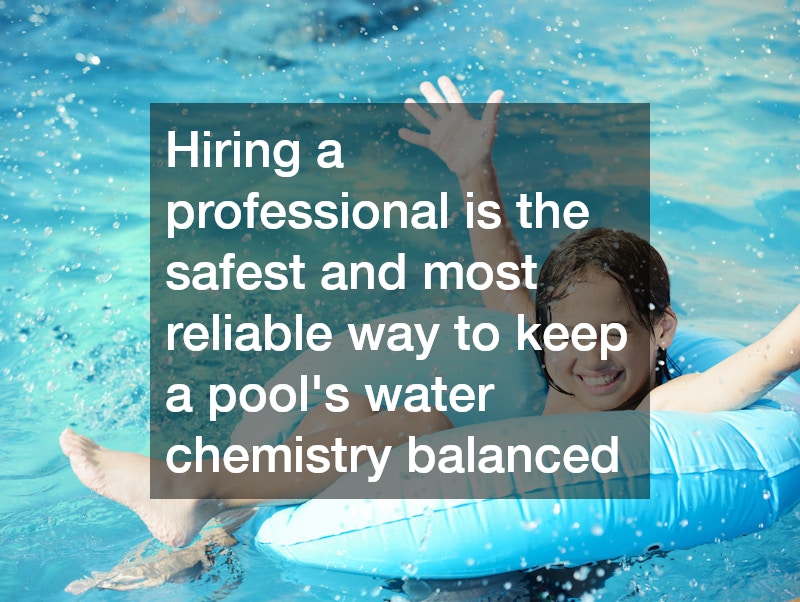
Hiring a professional is the safest and most reliable way to keep a pool’s water chemistry balanced, its equipment running properly, and its safety features up to code. Water chemistry isn’t as simple as adding chlorine and calling it done; pH, alkalinity, calcium hardness, and sanitizer levels all interact, and getting any one of them wrong can lead to cloudy water, algae growth, or equipment corrosion.
Professional pool maintenance providers train specifically to manage these variables together, rather than treating each one in isolation the way most DIY approaches tend to. That training becomes especially important when it comes to the chemicals themselves, since the CDC’s pool chemical safety guidance notes that pool chemicals can cause serious injury when mixed together improperly or handled without the right protective equipment, a risk that rises significantly for anyone without formal training.
What Are the Biggest Risks of DIY Pool Chemical Handling?
Handling pool chemicals without proper training carries real physical risk, not just the possibility of an imbalanced pool. Several specific hazards make this one of the strongest arguments for hiring help:
- Chemical burns — direct skin or eye contact with concentrated chemicals like calcium hypochlorite or muriatic acid
- Toxic gas release — mixing incompatible chemicals, even accidentally, can produce dangerous chlorine gas
- Fire risk — certain pool chemicals are oxidizers that can ignite when wetted improperly or combined with combustible materials
- Storage hazards — chemicals stored incorrectly can react with humidity, moisture, or nearby incompatible substances
- Equipment corrosion — chlorine gas byproducts can corrode metal piping, pumps, and storage shelving over time
According to an EPA chemical safety alert on swimming pool chemicals, a number of documented incidents involving fires and toxic vapor releases have resulted from pool chemicals being wetted, mixed improperly, or stored near incompatible materials, underscoring how quickly a routine task can turn dangerous without the right precautions.
How Does Professional Maintenance Protect Pool Equipment?
Pumps, filters, heaters, and automated chemical feed systems represent a significant financial investment, and improper maintenance is one of the most common ways that investment gets shortened. Imbalanced water chemistry accelerates corrosion in metal components and can damage filter media, while inconsistent cleaning schedules allow debris and buildup to strain pumps and motors long before they’d normally need replacement. Pool maintenance providers follow preventive maintenance schedules designed to catch small issues, like a failing pump seal or a clogged filter, before they turn into expensive repairs or full equipment replacement. That kind of proactive care rarely happens with occasional DIY attention, since problems in pool equipment are often invisible until they’ve already caused damage.
What Safety Standards Should a Pool Actually Meet?
Beyond water chemistry, pools carry safety requirements that many homeowners aren’t fully aware of until something goes wrong. A properly maintained pool should meet standards in several key areas:
- Drain covers that comply with current federal safety standards to prevent entrapment
- Secure barriers, including self-closing and self-latching gates, around the pool area
- Functioning pool alarms or door alarms where required
- Clear water free of the buildup that can obscure drain visibility
- Properly labeled and stored chemicals kept away from unauthorized access
The Consumer Product Safety Commission specifically recommends that pool owners confirm their drain covers meet federal safety standards, and suggests asking a pool service provider directly if there’s any uncertainty, since this is exactly the kind of detail professionals are trained to verify.
How Does Regular Maintenance Affect Swimmer Health?
Water that looks clean isn’t necessarily water that’s safe to swim in. Bacteria, parasites, and algae can develop in water that appears visually clear but has fallen out of proper chemical balance, and some pathogens are notably resistant to standard chlorine levels if the water isn’t tested and adjusted consistently. Professional pool maintenance providers test water regularly and adjust sanitizer levels before problems become visible, rather than reacting only after cloudiness or algae growth already appears. This kind of consistent oversight matters most for households with children, older adults, or anyone with a compromised immune system, since these groups face a higher risk from waterborne illness when pool water isn’t properly maintained.
Is Professional Maintenance Worth the Cost?
For most pool owners, the cost of professional maintenance is easy to justify once weighed against the alternative. A miscalculated chemical dose can damage a liner, corrode equipment, or require a full water replacement, all of which cost far more than a routine service visit. Beyond the financial argument, there’s the simple reality that pool chemicals are genuinely hazardous when mishandled, and equipment failures often go unnoticed until they become expensive problems. Choosing a professional service isn’t just about convenience; it’s about protecting a significant investment, keeping swimmers safe, and avoiding the kind of costly mistakes that are easy to make without specialized training. For most homeowners, that trade-off makes professional pool maintenance one of the more straightforward decisions in owning a pool.
About the Author