
After a storm, homeowners might be primarily worried about the visible damage to their property, such as broken windows or fallen trees. However, one of the most critical areas that often gets overlooked is the roof. Understanding the importance of timely inspections can save residential properties from long-term damage and costly repairs. By inspecting your roof after a storm, you can identify potential problems early and contact a residential roofer to assess and fix any issues. Delaying inspections can lead to leaks, mold growth, and structural issues, compromising the safety and integrity of your home.
Storms can inflict different types of damage, depending on the materials and age of your roof. Hail can cause dents and breakages, heavy rain can lead to leaks, and strong winds might cause shingles to loosen or get torn away. Without identifying these damages, minor problems can escalate, resulting in significant financial implications. Make it a practice to schedule a thorough inspection whenever a fierce storm batters your area, ensuring any signs of damage are quickly addressed by a professional roofer. Always prioritize professional assessments, as trained eyes are likely to spot issues you might miss.
The aftermath of a storm can be chaotic and busy, but placing your roof repair needs on a priority list could save you from future headaches. Many residential roofers offer emergency inspection services that can cater to immediate concerns and provide peace of mind. An expert roofer can evaluate the extent of the damage, recommend the best repair strategy, and guide you on preventive measures to tackle subsequent bad weather. The goal is to maintain the durability and longevity of your roof, helping you weather future storms with confidence.
Detecting Shingle Damage and Debris
A straightforward way to detect storm damage on your roof is by examining the condition of your shingles. Missing, cracked, or curled shingles are clear indicators that your roof has taken a hit during the last storm. When shingles are compromised, they cannot effectively keep moisture out, leading to possible water infiltration. This infiltration can cause significant structural damage and mold growth, posing a risk to your household’s health and safety. Contacting a residential roofer promptly can help replace damaged shingles and reinforce your roof.
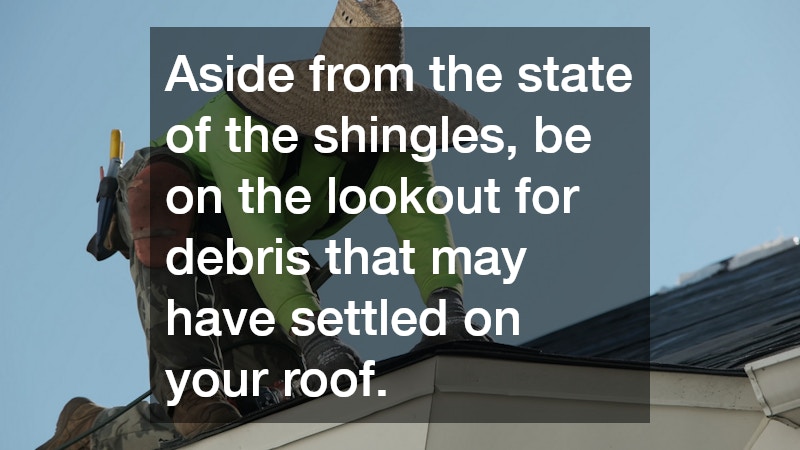
Aside from the state of the shingles, be on the lookout for debris that may have settled on your roof. Storms often leave behind branches, leaves, and dirt that can impede water drainage if they accumulate in your gutters or other parts of the roof. A cluttered roof not only affects its aesthetics but can also trap moisture, which will hasten the deterioration of roofing materials. Ensure all storm-related debris is removed by either hiring a cleaning service or safely doing it yourself, following proper guidelines to prevent any accidents.
Another red flag associated with storm damage is granules collecting in the gutter. Granules are a crucial part of your shingles, providing the necessary protection against UV rays and bad weather. When you notice a substantial amount of these granules in your gutters, it’s a sign that your shingles are worn and potentially ineffective. Immediate action is needed to either repair or replace the affected areas to restore your roof’s effectiveness. A trusted residential roofer can evaluate the damage and recommend the best course of action, ensuring that your roof remains a robust barrier against the elements.
Signs of Water Damage and Leaks
One of the most apparent signs of storm damage is water leaks inside your home. Once water penetrates the roof, it can cause significant harm to the interior of your home. If left unattended, it could lead to mold growth and compromised structural integrity, affecting both the value and safety of your home. Keep an eye out for water stains on the ceiling, peeling paint, or moldy smells, as these all suggest a moisture problem stemming from your roof. A residential roofer can pinpoint the leak’s source and propose solutions tailored to prevent further water intrusion.
In addition to visible leaks, it’s crucial to inspect your attic for any hidden signs of water damage. The attic is often the first place that exhibits signs of a leaky roof. Dark spots on the wood, a musty odor, and visible water drips within this space are clear indicators that water is seeping through the roof. A thorough inspection in this area, ideally right after a storm, can stop further damage before it escalates. Addressing these issues swiftly by hiring a reputable roofer not only protects your home but also enhances its longevity.
Lastly, verify the state of your roof’s flashing and other sealants susceptible to storm damage. The flashing seals roof features such as chimneys and skylights, making it a pivotal part of your roofing system. Damaged or missing flashing can create entry points for water, leading to leakage and rot. Regular checks and maintenance ensure that these vital components maintain their integrity and continue providing reliable protection against storms. Engage a seasoned residential roofer with experience in handling these specific issues to keep your roof in top condition.
About the Author