Finding a reliable heating, ventilation, and air conditioning contractor can feel a bit like forecasting the Pacific Northwest weather—unpredictable and occasionally stressful. With Seattle’s unique climate blend of damp winters, shoulder-season “June Gloom,” and increasingly intense summer heatwaves, your home’s climate control system is no longer a luxury; it is a necessity for health and comfort. When your furnace quits in January or your AC struggles during a July spike, you cannot afford to pick a contractor at random. You need a team that understands the specific architectural quirks of regional homes, from historic Craftsman properties to modern, airtight townhomes. This comprehensive guide will give you the exact framework needed to evaluate local companies and ensure you get top-tier service every single time.
Verify Local Licensing and Bonding
The absolute first step in your evaluation process should be compliance and legality. Washington State has strict regulations regarding specialty contractors, and for good reason. Working on HVAC systems involves high-voltage electricity, combustible natural gas, and pressurized refrigerants. You should always look up the company on the Washington Department of Labor & Industries website to ensure their license is active and they have no outstanding, unresolved infractions. Furthermore, a reputable company will always carry substantial general liability insurance and a current bond. This baseline protection ensures your property is covered in the unlikely event that a technician accidentally causes damage to your home during an installation or repair.
Assess PNW Weather and Heat Pump Expertise
Seattle’s climate profile is shifting quite rapidly. While traditional gas furnaces used to be the gold standard for local homes, the city’s clean electricity grid and moderate climate have made heat pumps incredibly popular. When researching HVAC services in Seattle, you need to ensure the technicians are deeply knowledgeable about cold-climate heat pumps and ductless mini-split systems. A great local contractor won’t just try to sell you a carbon-copy system; they will look at your home’s solar gain, insulation levels, and layout to recommend a system optimized for our specific microclimates.
Look for NATE Certification and Technician Training
The logos on a company’s truck matter, but the credentials of the person walking through your front door matter more. The gold standard for technician excellence in the heating and cooling industry is North American Technician Excellence certification. When evaluating companies, ask if their field staff hold this designation, which requires passing rigorous, specialized exams that prove a technician’s real-world working knowledge. Companies that invest in ongoing training for their staff are far more likely to diagnose complex electrical or airflow issues correctly the first time, saving you money on repeat diagnostic fees and prolonged system downtime.
Evaluate Transparency in Pricing and Estimating
A major warning sign during your evaluation process is a company that refuses to give clear, written estimates or pushes vague, verbal quotes. For major jobs like a system replacement, a reputable provider will always conduct a thorough assessment before talking numbers. This means they should perform a detailed load calculation, measuring your home’s square footage, window orientations, and insulation quality to ensure your new system is sized perfectly. An oversized system will short-cycle and break down early, while an undersized system will run constantly and spike your bills. Your final written estimate should clearly break down the cost of equipment, labor, permits, electrical work, and the removal of your old system without hidden fees.
Prioritize Indoor Air Quality Solutions
Living in the Pacific Northwest means dealing with specific air quality challenges that require specialized solutions. We face months of high outdoor humidity that can trap moisture indoors, leading to mold concerns, while recent years have proven that wildfire smoke can blanket the region during late summer. The right provider shouldn’t just focus on temperature; they should focus on the air you breathe. Securing comprehensive HVAC services in Seattle means finding a partner capable of keeping your indoor air pristine with media air cleaners, UV lights, and HEPA filtration systems, regardless of outdoor smoke or pollen counts.
Inquire About Maintenance Plans and Warranties
HVAC systems are massive financial investments, so you want to ensure the company you hire stands behind their workmanship and helps you protect your equipment over the long haul. Always ask about the labor warranties on installations, as elite contractors often offer extensions beyond the standard one-year window. Additionally, inquire about their preventative maintenance agreements, which keep your system compliant with manufacturer warranties and ensure your equipment runs efficiently. When you establish a relationship for ongoing HVAC services in Seattle, you often get perks like priority scheduling during peak winter or summer rushes, saving you from waiting days in discomfort when extreme weather hits.
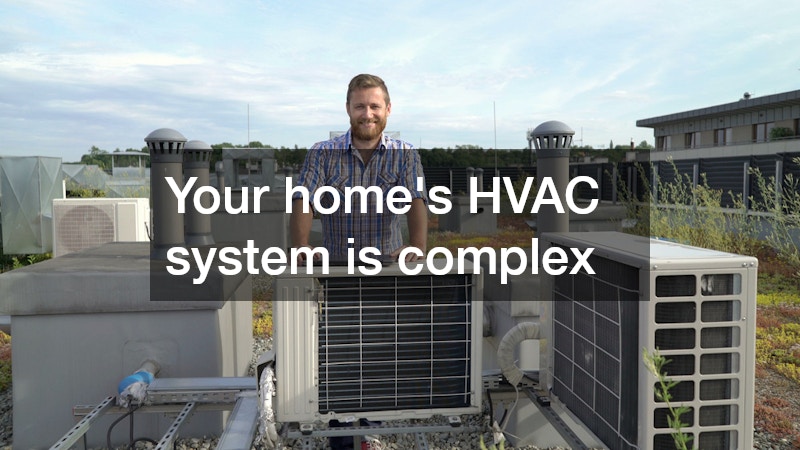
Your home’s HVAC system is complex, and choosing the team to service it requires careful thought. By taking the time to verify licensing, demand pricing transparency, look for certified certifications, and ensure they specialize in modern heat pump technology, you can confidently filter out the cutting-corners operations from the true professionals. Investing a little effort into properly evaluating your options today ensures a comfortable, energy-efficient, and safely conditioned home for many years to come.
About the Author