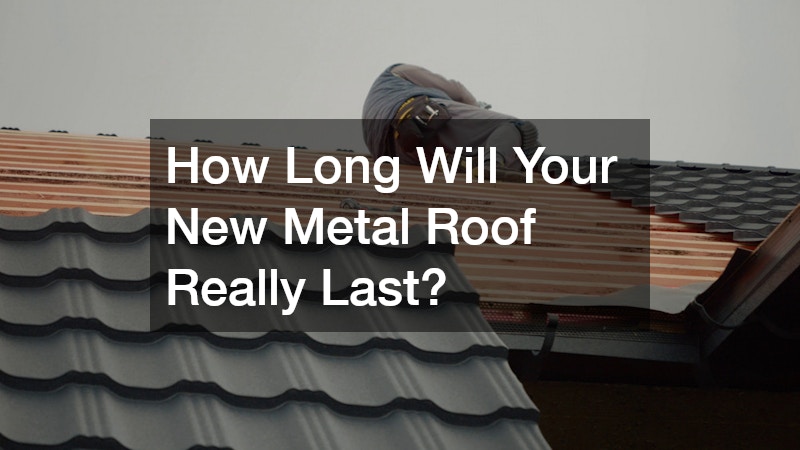

A metal roof is one of the bigger investments a homeowner can make, so it makes sense to know what to expect from it before the installation is finished. The answer is not as simple as a single number, because how long a metal roof lasts depends on the materials chosen, the climate it sits in, and how well it is maintained over the years. But the general range is straightforward enough: most metal roofs last between 40 and 70 years, which is significantly longer than the 15 to 25 years typical homeowners get from asphalt shingles.
What Types of Metal Hold Up the Longest
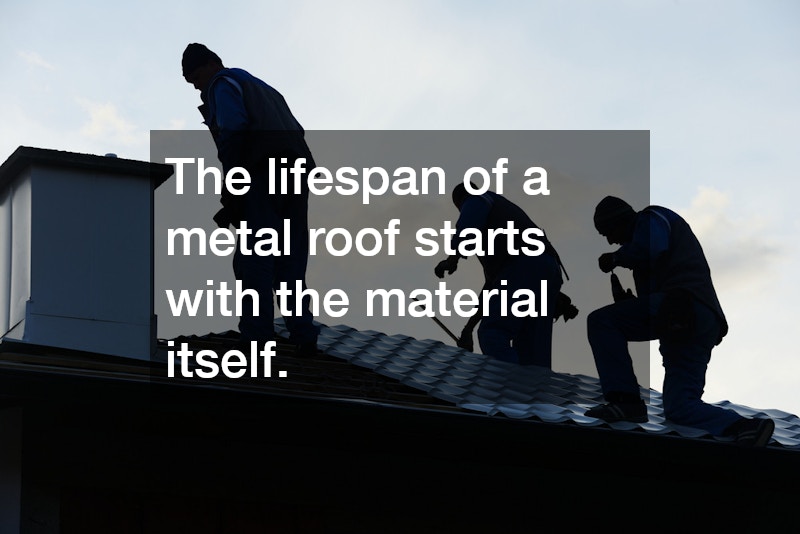
The lifespan of a metal roof starts with the material itself. Galvanized steel is affordable and durable, typically lasting 40 to 50 years before rust becomes a concern.
Galvalume, a coating that combines zinc and aluminum, often goes 50 to 60 years. Aluminum roofs can reach 50 years without much trouble, though aluminum is less common than steel because it is softer and dents more easily if debris lands on it.
Copper and zinc roofs represent the high end of the durability spectrum. A copper roof can last 70 years or more, sometimes approaching a century, but the upfront cost is steep. Zinc roofing can also push past 80 years, and like copper, it develops a protective patina over time that actually helps it last longer. These premium materials are rarely chosen for residential roofs because of cost, but they show just how durable metal can be when price is not a limiting factor.
Standing seam panels, the most common residential metal roofing style, tend to outlast corrugated or metal shingles simply because there are fewer seams for water to find its way through. The quality of those seams and the sealant used to seal them matters a lot to actual longevity, which is why working with experienced metal roofing contractors during installation is critical.
Climate and Weather Play a Bigger Role Than Most Homeowners Expect
The environment a roof sits in has enormous impact on how long it actually lasts. A metal roof in a dry climate with moderate temperatures can easily hit the upper end of its expected lifespan. The same roof in a coastal area where salt air corrodes everything, or in a climate with frequent freeze-thaw cycles that stress fasteners and seams, might need replacement 10 or 15 years sooner.
Homes near the ocean face the harshest conditions. Salt spray accelerates corrosion, and without protective coatings or premium materials, a metal roof in those conditions might last only 30 to 40 years instead of the standard 50 plus. Northern climates with heavy snow, ice damming, and temperature swings also shorten lifespan because the metal expands and contracts constantly, putting stress on fasteners and seals.
Hail is another factor homeowners in certain regions need to consider. A large hailstone can dent a metal roof, especially aluminum, and while a dent does not immediately mean the roof is compromised, it does create a spot where water might eventually find its way in. Metal roofing contractors in hail-prone areas often recommend thicker gauge materials and impact-resistant coatings to add years to the roof’s useful life.
Installation Quality Makes a Real Difference
Two metal roofs made from identical material can have very different lifespans depending on how they are installed. Poor installation creates problems that accelerate aging. Seams that are not sealed properly let water in, fasteners that are over-tightened can crack panels and create leak points, and improper ventilation underneath the roof traps heat and moisture that corrode the underside.
A roof installed by experienced metal roofing contractors who follow manufacturer specifications for fastener spacing, seam sealant, and ventilation will outperform one installed by someone cutting corners. This is one area where saving money on installation often costs significantly more in the long run.
Maintenance Extends the Life Significantly
A metal roof does not need constant upkeep, but regular inspection and light maintenance add years to its lifespan. Debris left sitting on the roof, particularly in valleys and gutters, holds moisture against the metal and speeds up corrosion. Branches hanging over the roof can cause damage if they fall during storms. Gutters that are clogged cause water to back up and sit against the roof, eating away at protective coatings.
Annual or semi-annual inspections catch small problems like loose fasteners, lifted seams, or areas where the protective coating has worn thin before they turn into leaks. Addressing issues early, rather than waiting for water to back up into the attic, can add a decade or more to the roof’s life.
Planning for the Real Timeline
Most homeowners can expect a quality metal roof to last 50 years or more with decent maintenance and average climate conditions. That is genuinely long enough that many people stay in the same home for the life of the roof, which is one of the main reasons metal roofing contractors see growing demand for the material. But understanding that the actual lifespan depends on materials, climate, installation quality, and maintenance helps set realistic expectations.
A cheap metal roof installed in a harsh coastal climate with no maintenance might last 30 years. A premium metal roof installed properly in a moderate climate and maintained regularly could easily reach 70 years or beyond. Most homes fall somewhere in between, getting 40 to 60 years of reliable service from their investment.
About the Author