Key Takeaways
- Check HVAC filters regularly and replace or clean them according to the equipment and filter manufacturer’s recommendations.
- Keep airflow unobstructed by maintaining clear supply vents, return grilles, and pathways around HVAC equipment.
- Keep outdoor equipment clear of debris such as leaves, grass, branches, and other materials that can interfere with airflow.
- Watch for warning signs such as unusual noises, odors, weak airflow, uneven temperatures, frequent cycling, rising energy use, or unexpected water.
- Pay attention to drainage and address persistent water around HVAC equipment or other household drains before it leads to larger problems.
- Follow a seasonal maintenance routine with regular homeowner checks and professional inspections before periods of heavy heating or cooling use.
- Keep maintenance records and address recurring problems early so you can make better decisions about repairs, upgrades, or eventual replacement.
A well-maintained heating and cooling system can make a home more comfortable, reliable, and efficient throughout the year. HVAC equipment works hard during periods of extreme heat or cold, and small maintenance issues can gradually affect airflow, energy use, and system performance. Homeowners do not need to perform complex repairs themselves, but they can take several practical steps to keep equipment in better condition and recognize problems early. From checking filters and keeping outdoor equipment clear to monitoring drainage, thermostats, airflow, and unusual sounds, regular attention can help reduce avoidable problems and prepare the system for professional service when necessary.
Why Does Regular HVAC Maintenance Matter?
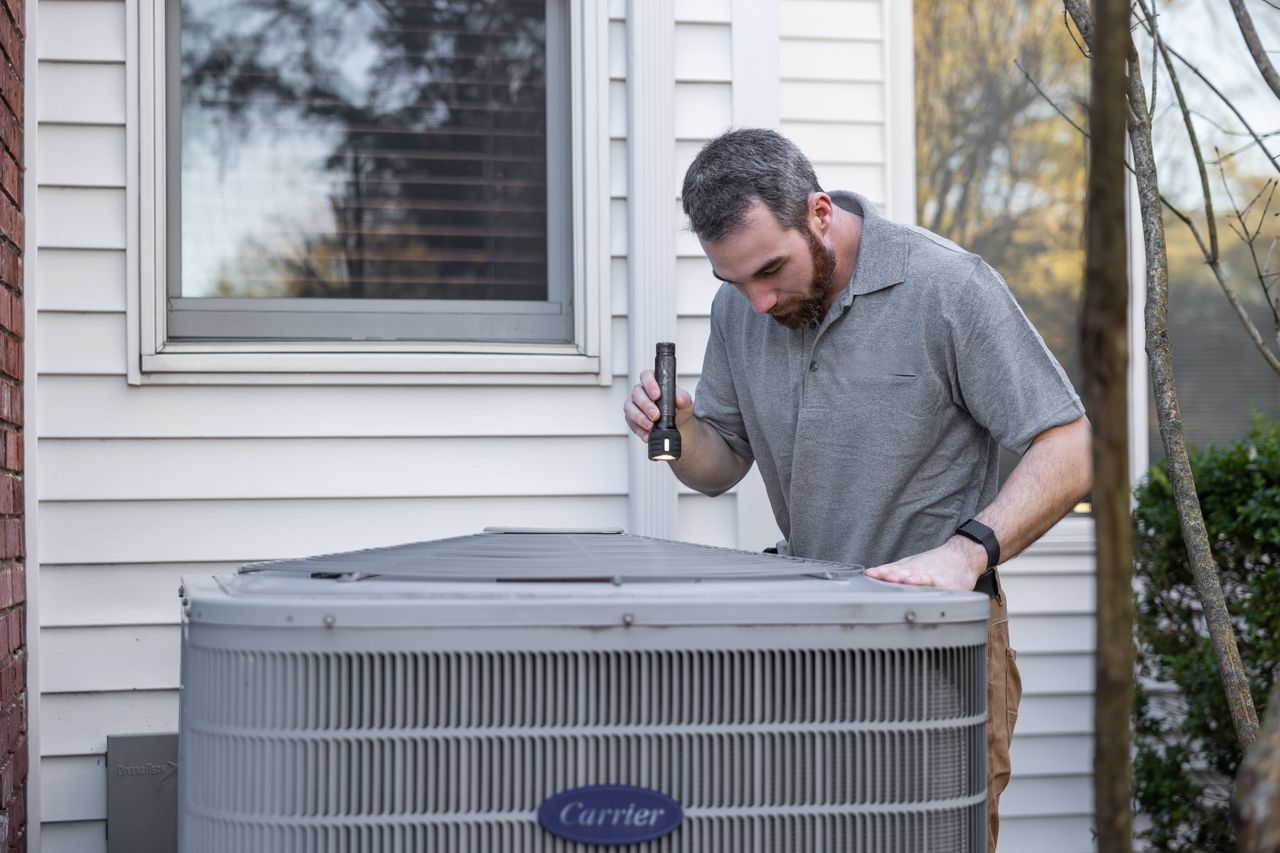
Regular HVAC maintenance is about more than keeping equipment running when temperatures change. Heating and cooling systems contain filters, motors, coils, controls, drains, electrical components, and other parts that must work together. Dirt, restricted airflow, blocked drainage, neglected components, and poor operating conditions can gradually affect performance. A consistent maintenance routine gives homeowners an opportunity to notice changes before they become major disruptions. The U.S. Department of Energy and EPA recommend routine filter attention and professional system maintenance because neglected equipment can operate less efficiently and experience unnecessary wear.
A simple maintenance routine can help homeowners:
- Protect system performance: Clean filters and unobstructed airflow allow equipment to operate under more appropriate conditions.
- Identify problems earlier: Changes in temperature, airflow, sounds, odors, or water around equipment can provide useful warning signs.
- Support energy efficiency: A system that has to work harder because of restricted airflow or neglected components may use more energy.
- Improve comfort: Properly maintained equipment is better positioned to deliver consistent heating and cooling throughout the home.
- Prepare for professional inspections: Routine homeowner checks can reveal issues that should be addressed by a qualified technician.
Maintenance does not guarantee that an HVAC system will never fail. Equipment eventually wears out, components can malfunction unexpectedly, and conditions inside a home can change. The goal is to reduce avoidable problems and make it easier to identify issues while they are still manageable.
How Often Should You Check Your HVAC Filter?
The air filter is one of the easiest HVAC components for a homeowner to monitor, but it is also one of the most important. Filters collect airborne particles before air moves through portions of the system, helping protect equipment while also contributing to indoor air quality. When a filter becomes heavily loaded with dust, airflow can become restricted. That can make equipment run longer and place additional strain on the system. Federal guidance recommends checking filters regularly and replacing or cleaning them according to the equipment and filter manufacturer’s instructions.
Rather than relying on one universal replacement schedule, check the filter regularly and consider factors that can make it become dirty faster. Homes with pets, construction activity, high dust levels, or frequent system operation may require more frequent attention.
When checking the filter, look for:
- Visible dust buildup: A heavily coated filter may need replacement or cleaning if it is designed to be reusable.
- Correct size: The filter should fit properly without being bent, crushed, or loosely installed.
- Correct orientation: Follow the airflow arrow or installation instructions provided for the filter.
- Manufacturer guidance: Use the filter type and replacement interval recommended for the specific system.
Avoid automatically choosing the highest-efficiency filter available. A filter that creates excessive airflow resistance may not be appropriate for every HVAC system. If you want to use a higher-rated filter, check the equipment requirements or ask a qualified HVAC professional whether the system can accommodate it.
What Can You Do to Improve Airflow?
Good airflow is essential to effective heating and cooling. Even when the main equipment is operating correctly, blocked returns, closed registers, dirty filters, furniture placed over vents, or problems inside ductwork can affect how conditioned air moves through the home. Restricted airflow can also make certain rooms feel warmer or colder than others and may cause equipment to operate for longer periods. Homeowners can address simple obstructions, but ductwork, blower problems, and other mechanical issues should generally be evaluated by a qualified professional.
Start by walking through the home while the HVAC system is operating. Check whether supply registers are open and whether furniture, rugs, curtains, or other objects are blocking airflow. Also make sure return-air grilles are not covered.
Useful homeowner checks include:
- Keep supply vents accessible: Do not place large furniture directly over registers.
- Keep return grilles clear: Restricted return airflow can affect overall system performance.
- Check the filter: A dirty filter is a common source of airflow restriction.
- Compare rooms: Notice whether one area consistently receives much less conditioned air than others.
- Watch for persistent problems: If airflow remains weak after basic checks, professional evaluation may be necessary.
Do not attempt to dismantle ductwork or access internal mechanical components simply to improve airflow. A persistent problem could involve disconnected ducts, obstructions, blower components, sizing, or other issues that require proper diagnosis.
How Can You Keep the Outdoor Unit in Good Condition?
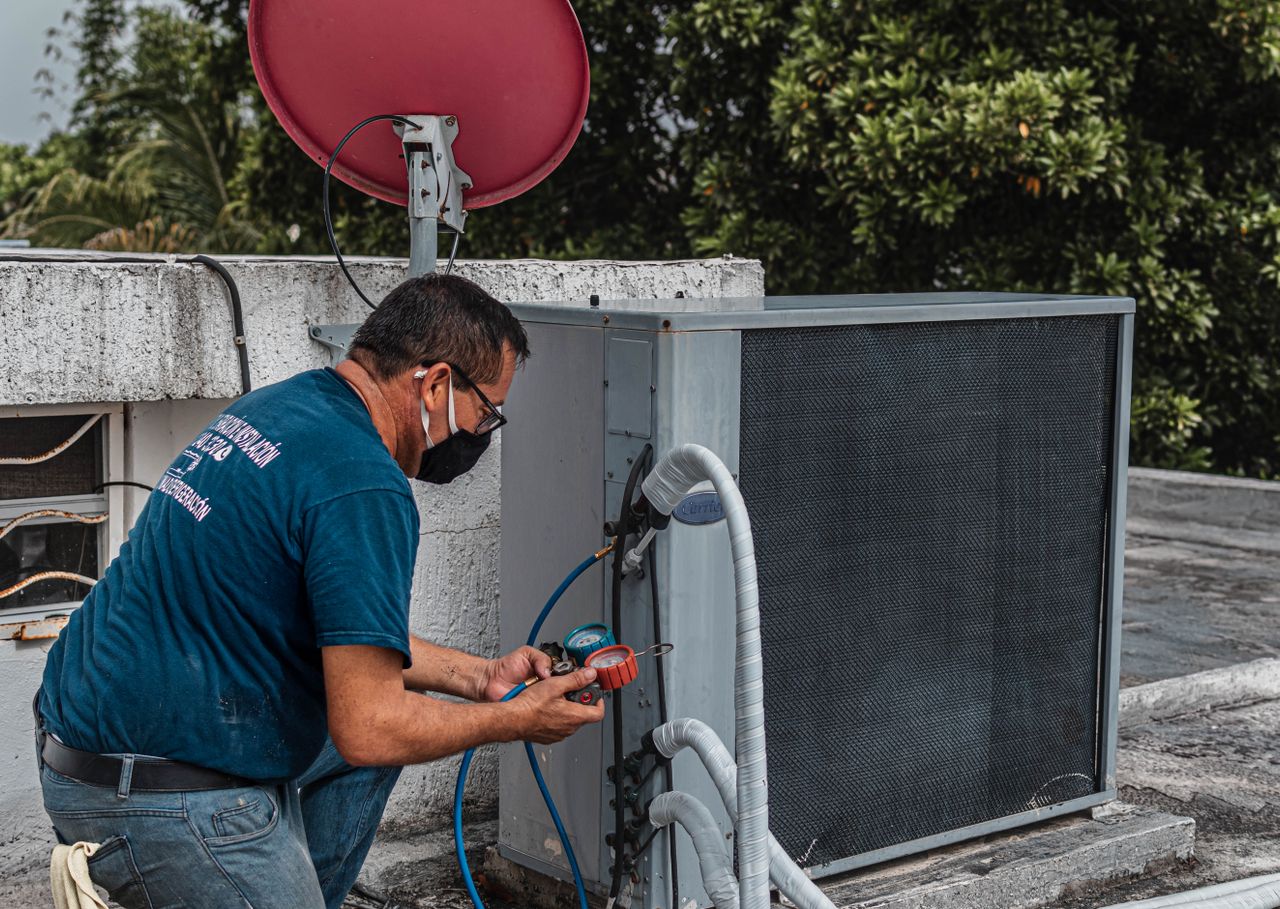
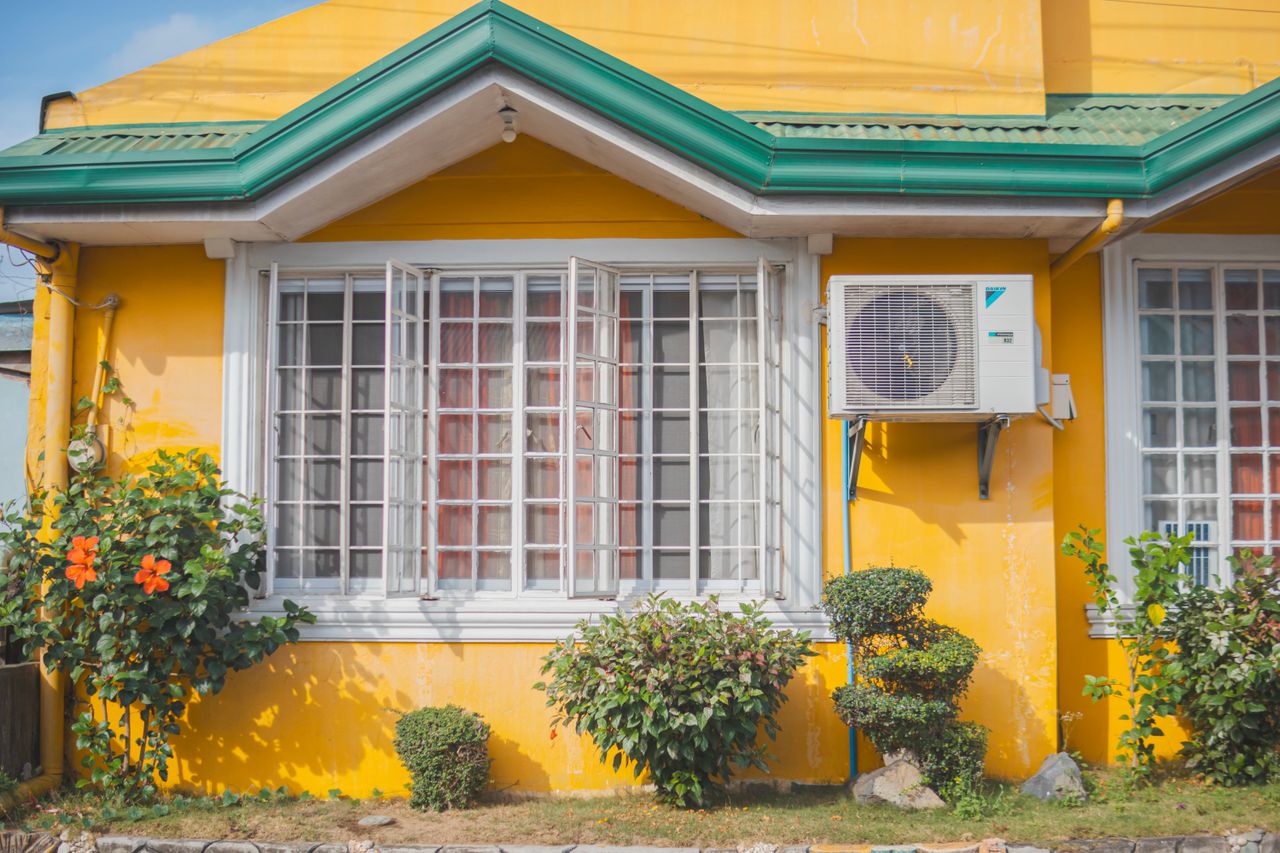
For homes with outdoor heating and cooling equipment, the area surrounding the unit deserves regular attention. Leaves, grass clippings, branches, dirt, and other debris can accumulate around outdoor components and interfere with airflow. Maintaining adequate clearance helps the equipment move air as intended and makes it easier for technicians to inspect the unit when professional maintenance is performed. DOE guidance similarly recommends keeping outdoor units free of debris as part of routine maintenance.
Homeowners can make outdoor equipment easier to maintain by periodically checking the surrounding area, particularly after storms, landscaping work, or periods of heavy leaf fall.
Consider these simple practices:
- Remove nearby debris: Keep leaves, grass, and loose material away from the unit.
- Control vegetation: Trim plants that are growing too close to the equipment.
- Watch for physical damage: Look for bent components, damaged panels, or other visible concerns.
- Keep access clear: Technicians need enough space to inspect and service the equipment safely.
- Avoid using the equipment area for storage: Do not stack household items or tools around the outdoor unit.
Homeowners should be cautious about cleaning delicate coils or fins aggressively. Bent fins and damaged components can affect performance. If the outdoor unit appears heavily contaminated or damaged, professional cleaning or service may be more appropriate.
What Should You Know About Condensate Drainage?
Moisture management is an important but sometimes overlooked part of HVAC maintenance. Cooling equipment removes moisture from indoor air, and that moisture generally needs to travel through a condensate pan and drain system. If the drainage path becomes restricted, water can accumulate around the equipment and potentially damage nearby surfaces. EPA guidance specifically recommends inspecting condensate drains and pans and addressing standing water or debris.
Homeowners should pay attention to unexpected water around an indoor HVAC unit, especially when the system is operating in cooling mode. A small amount of condensation in an appropriate location can be part of normal operation, but water collecting on floors, ceilings, or nearby surfaces deserves attention.
Watch for:
- Water around the indoor unit: This may indicate a drainage or equipment problem.
- Slow drainage: Repeated moisture accumulation may point to a restriction.
- Standing water in a drain pan: Persistent water should not simply be ignored.
- Water stains nearby: Stains on ceilings, walls, or flooring can indicate a recurring moisture problem.
- Unusual odors: Moisture combined with organic buildup can create unpleasant conditions.
Do not assume every HVAC-related water problem is a simple drain blockage. Frozen coils, damaged pans, installation problems, and other equipment issues can also cause water to appear where it should not. If you are unsure of the source, professional inspection is safer than repeatedly treating the visible symptom.
How Do You Recognize HVAC Problems Early?
Homeowners can often notice changes in HVAC performance before equipment stops working completely. Paying attention to these changes is an important part of preventive maintenance. A system that suddenly behaves differently may be experiencing an airflow restriction, thermostat issue, mechanical problem, drainage concern, or another condition that deserves investigation. Early attention does not mean every unusual symptom requires an emergency service call, but persistent changes should not be ignored. Regular observation also gives homeowners useful information to share with a technician if professional diagnosis becomes necessary.
Common changes worth monitoring include:
- Uneven temperatures: Persistent differences between rooms can point to airflow, ductwork, insulation, thermostat, or equipment concerns.
- Longer operating cycles: A system that runs much longer than usual may be struggling to meet the thermostat setting.
- Frequent starting and stopping: Repeated short cycles can indicate several possible problems.
- Unusual sounds: Banging, grinding, scraping, buzzing, or other new noises deserve attention.
- Unusual odors: Persistent burning, musty, or electrical smells should not be dismissed.
- Unexpected energy increases: A sudden unexplained change in energy use can sometimes accompany declining HVAC performance.
Keeping a simple record can be helpful. Note when the problem started, what the system was doing, which rooms were affected, and whether the issue occurs during heating, cooling, or both. This information can make professional troubleshooting more efficient.
When Should You Bring in a Professional?
Some maintenance tasks are appropriate for homeowners, but HVAC systems also contain electrical, mechanical, refrigerant, combustion, and other components that require specialized knowledge. Homeowners should not attempt repairs simply because a problem appears straightforward. Professional service is especially appropriate when the system repeatedly fails to maintain temperature, develops persistent mechanical symptoms, leaks, experiences electrical concerns, or requires work involving components that are not intended for homeowner servicing. Knowing when to call an HVAC company can help prevent a minor issue from becoming a larger repair.
There are several situations where professional attention is particularly appropriate:
- The system will not start: Basic thermostat and power checks may be reasonable, but persistent failure requires diagnosis.
- The system cannot maintain temperature: Continuous operation without adequate heating or cooling can have several causes.
- Airflow remains weak: If replacing a dirty filter does not resolve the problem, deeper inspection may be needed.
- There are unusual mechanical sounds: New grinding, banging, or scraping sounds can indicate component problems.
- Water is leaking: Persistent water around HVAC equipment should be investigated.
- Electrical or burning odors appear: Turn off the equipment when appropriate and seek professional guidance.
- Repairs are becoming frequent: A technician can help compare continued repair with replacement considerations.
- Refrigerant-related service is needed: Refrigerant work should be handled by appropriately qualified professionals.
A professional maintenance visit can include checks that homeowners generally cannot perform safely or accurately, such as electrical measurements, refrigerant-related evaluation, component inspection, and detailed system testing. The EPA and DOE both emphasize professional tune-ups and qualified service as important parts of maintaining heating and cooling equipment.
When professional service is needed, knowing how to find a reputable HVAC company for your home can help you choose a qualified provider.
How Can Modern Equipment Affect Your Maintenance Routine?
HVAC technology has changed considerably, but newer equipment still requires appropriate care. Some modern systems use variable-speed components, advanced controls, zoning, heat pump technology, and connected thermostats. These features can provide greater control and efficiency, but they do not eliminate the need for filters, airflow management, drainage checks, professional inspections, and proper installation. Understanding how modern HVAC systems operate can help homeowners use available features more effectively without assuming that newer equipment is maintenance-free.
Connected thermostats may provide scheduling functions, alerts, or information about system operation. Some equipment can also provide diagnostic information that helps technicians identify potential problems. However, digital alerts should complement—not replace—physical inspection and routine maintenance.
Homeowners with newer equipment should:
- Read the manufacturer’s instructions: Maintenance requirements can differ significantly between systems.
- Understand filter requirements: Use the appropriate filter size and type.
- Learn thermostat features: Scheduling and temperature settings can help manage operation more effectively.
- Pay attention to alerts: Do not routinely dismiss system warnings without determining their cause.
- Maintain outdoor equipment: New technology still depends on adequate airflow and clean surroundings.
- Keep service records: Documentation can help track maintenance, repairs, and equipment performance over time.
Technology can make an HVAC system easier to monitor, but it does not replace good maintenance habits. The fundamentals remain important regardless of how advanced the controls or equipment may be.
What Plumbing and Drain Issues Should You Watch For?
HVAC maintenance should not be viewed in isolation from other home systems. Some heating and cooling equipment depends on drainage to remove condensation, while plumbing problems elsewhere in the home can create moisture, odors, or water damage that affect the surrounding environment. Homeowners who already pay attention to HVAC drainage can use the same preventive mindset when monitoring sinks, showers, toilets, floor drains, and other plumbing fixtures. Recognizing changes early can help prevent a small household maintenance issue from becoming a larger and more disruptive problem.
Common plumbing changes worth watching include:
- Slow drainage: Water taking noticeably longer to leave a sink, shower, or bathtub can indicate developing buildup.
- Recurring backups: Repeated wastewater backups deserve attention rather than repeated temporary fixes.
- Gurgling sounds: Persistent bubbling or gurgling can sometimes accompany drainage problems.
- Unpleasant odors: Persistent odors may indicate organic material or other buildup inside plumbing.
- Multiple affected fixtures: Problems occurring at several fixtures at once may indicate a deeper blockage.
- Water around floor drains: Pooling or slow drainage should be investigated, especially when it keeps returning.
The signs of a clogged drain can vary depending on where the problem occurs and how severe the restriction becomes. A minor blockage may initially cause slow drainage, while a more significant obstruction can contribute to backups or affect multiple fixtures.
Homeowners can take reasonable preventive steps such as avoiding putting grease and inappropriate materials down drains, keeping visible drain openings clean, and addressing recurring problems instead of relying on repeated temporary solutions. If a blockage continues returning, professional plumbing service may be appropriate.
What Is a Simple Seasonal Maintenance Routine?
A seasonal maintenance routine makes HVAC care easier because tasks can be connected to predictable times of the year. The exact schedule depends on the climate, equipment, manufacturer recommendations, and how heavily the system is used. In general, it is useful to prepare cooling equipment before periods of heavy summer use and heating equipment before colder weather arrives. EPA guidance recommends professional tune-ups around seasonal changes, while filters should be checked regularly throughout the year.
A practical routine might look like this:
Monthly
- Check the HVAC filter and replace or clean it when necessary.
- Look at supply and return registers for obvious obstructions.
- Pay attention to unusual sounds, odors, or changes in airflow.
- Check for visible water around equipment.
Before cooling season
- Clear debris from around the outdoor equipment.
- Check that the thermostat operates as expected.
- Arrange professional maintenance if the system has not been serviced recently.
- Inspect accessible condensate drainage areas for obvious concerns.
Before heating season
- Check the filter again.
- Confirm that vents and returns are unobstructed.
- Pay attention to unusual noises or odors when the system starts.
- Schedule professional service if performance has changed or maintenance is due.
Throughout the year
- Keep maintenance and repair records.
- Follow the equipment manufacturer’s maintenance instructions.
- Do not ignore recurring problems.
- Address water leaks and persistent drainage issues promptly.
The goal is not to turn homeowners into HVAC technicians. Instead, a simple routine creates regular opportunities to observe the equipment and recognize when professional attention is warranted.
How Can You Keep Your HVAC System Reliable Long Term?
Long-term HVAC reliability depends on more than any single maintenance task. Filters need attention, airflow needs to remain adequate, drainage needs to function properly, outdoor equipment needs reasonable clearance, and professional inspections should be scheduled according to the equipment’s needs. Homeowners should also pay attention to how the system changes over time. A gradual decline in comfort, increasing repair frequency, or repeated operating problems can be more meaningful than one isolated symptom. Preventive maintenance is ultimately about understanding the condition of the system and responding before avoidable problems become major disruptions.
A few habits can make ongoing maintenance easier:
- Keep a maintenance calendar: Record filter changes, professional visits, repairs, and noticeable performance changes.
- Know your equipment: Keep the model information and manufacturer’s documentation accessible.
- Do not postpone recurring problems: A temporary improvement does not necessarily mean the underlying issue is gone.
- Plan seasonal inspections: Professional maintenance before heavy-use periods can provide an opportunity to identify developing problems.
- Keep the surrounding area clean: Indoor and outdoor equipment both need appropriate access and airflow.
- Think about the whole home: Insulation, ductwork, windows, humidity, and other conditions can influence HVAC performance.
A well-maintained system can still require repairs or eventually reach the end of its useful service life. Maintenance cannot stop normal wear, but it can help homeowners understand how their equipment is performing and make more informed decisions about repairs, upgrades, and replacement.
Conclusion
HVAC maintenance does not have to be complicated to be effective. Regular filter checks, clear airflow paths, clean outdoor equipment areas, attention to drainage, thermostat monitoring, seasonal preparation, and timely professional inspections can all contribute to better system care. Just as importantly, homeowners should pay attention to changes in comfort, sounds, odors, water, and operating patterns instead of waiting for complete equipment failure.
A consistent maintenance routine can help protect comfort, identify developing problems, and support more informed decisions about repairs or future equipment upgrades. Following manufacturer recommendations and involving qualified professionals when a problem goes beyond basic homeowner maintenance provides a practical approach to keeping heating and cooling equipment dependable throughout the year.
About the Author